High carbon steel and stainless steel dominate the knife market, yet they attract completely different buyers. Carbon steel takes a razor edge and sharpens in minutes, but rusts the moment it meets moisture without proper care. Stainless steel fights corrosion and needs almost no maintenance, yet it rarely achieves the same sharpness or edge retention.
For knife retailers and wholesalers, these trade-offs directly affect customer satisfaction, return rates, and profit margins. This guide cuts through the marketing noise and gives you the hard data to stock the right steel for your market.
重要なポイント
- Core Difference: High carbon steel uses 0.6%+ carbon for extreme hardness (60–66 HRc) and razor sharpness, but contains almost no chromium and rusts quickly. Stainless steel trades peak hardness for 10.5%+ chromium, which forms a protective layer to block rust.
- パフォーマンス: Carbon steel holds a sharper edge longer and restores fast on basic stones. Stainless steel resists corrosion with minimal care, but dulls faster and can be harder to sharpen.
- Buyers: Carbon steel targets chefs, hunters, and enthusiasts who maintain their blades. Stainless steel fits home cooks, gift buyers, and institutional kitchens that need zero-maintenance tools.
- Stock Mix: A 60/40 stainless-to-carbon split balances volume and margin for most stores. Invert to 40/60 only if your core market is professional culinary or outdoor users.
What is High Carbon Steel?
High carbon steel is any steel with a carbon content above 0.60%. For knife blades, the most common range sits between 0.85% and 1.20% carbon. The higher carbon content creates a harder microstructure, which lets the steel take an extremely fine edge and hold it longer than most stainless alternatives.
How is High Carbon Steel Made?
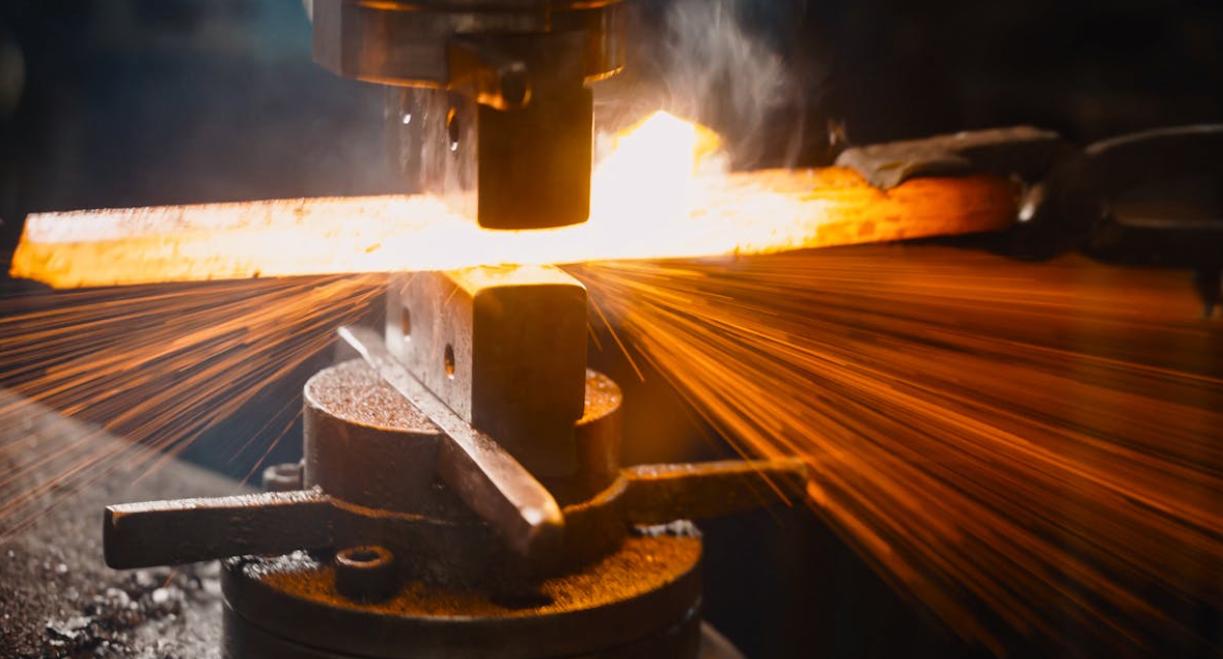
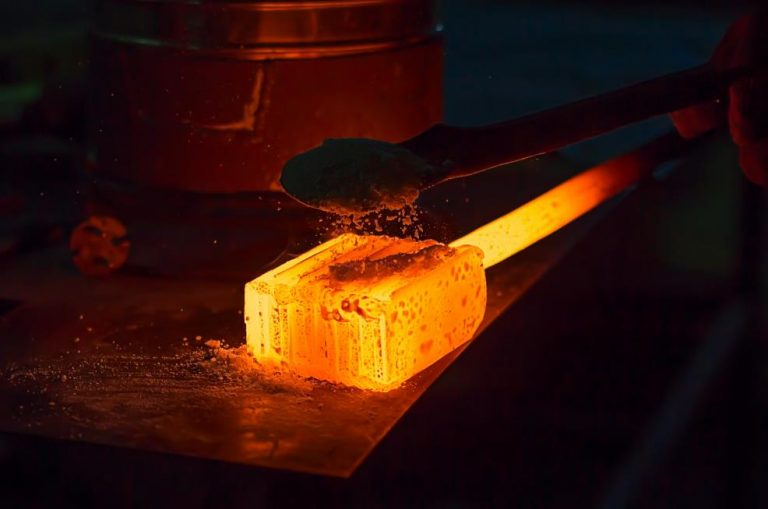
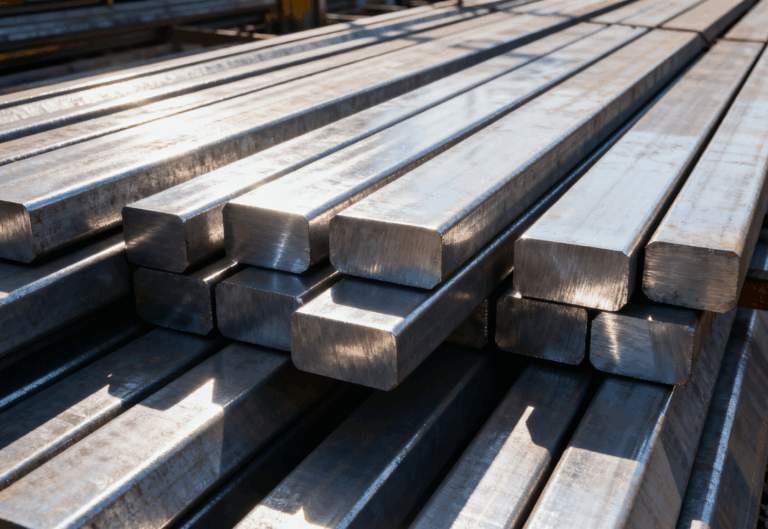
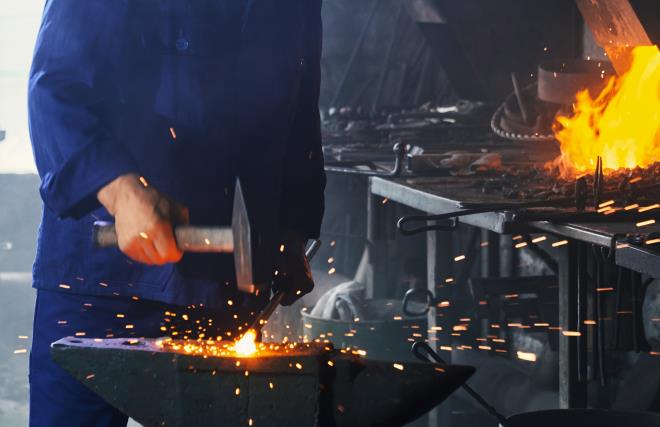
High carbon steel is produced by smelting iron ore in a blast furnace and adding precise amounts of carbon (0.6–1.2%) during the refining process. The steel is then cast into billets, forged or rolled into blade blanks, and heat-treated through quenching and tempering to achieve target hardness.
Carbon content and heat treatment temperature are the two most critical variables that determine the final edge performance.
High Carbon Steel Composition
- 炭素: 0.60% – 1.20%
- クロム: 0% – 0.30% (negligible)
- マンガン: 0.30% – 0.80%
- シリコン: 0.10% – 0.30%
- 鉄: Balance
Other than these, high carbon steel contains traces of sulfur and phosphorus from the smelting process.
Common High Carbon Steel Grades
- 1095: A classic American carbon steel widely used in outdoor and survival knives.
- White Steel #1 / #2: 伝統的 日本の鋼材 prized for sushi and fine-cutlery applications.
- Blue Steel #1 / #2: Premium Japanese steels with added tungsten and chromium for enhanced wear resistance.
- O1 / W2: Oil-hardening and water-hardening tool steels favored by custom knifemakers.

ステンレス鋼とは何ですか?
ステンレス鋼 is an alloy with a minimum chromium content of 10.5%, which forms a passive oxide layer that blocks moisture and prevents rust. For knife blades, common grades range from 12% to 18% chromium, often combined with carbon, molybdenum, and vanadium to improve hardness and edge retention.
How is Stainless Steel Made?
Stainless steel is produced in an electric arc furnace by adding at least 10.5% chromium—and often molybdenum, vanadium, or nickel—to molten steel. The chromium reacts with oxygen to form a passive oxide layer that blocks corrosion.
After casting and rolling, the steel undergoes annealing and pickling to stabilize the microstructure. Tighter process control is required than with carbon steel because alloy distribution directly affects both corrosion resistance and hardness.
Stainless Steel Composition
- 炭素: 0.08% – 1.20% (varies by grade)
- クロム: 12.00% – 18.00%
- モリブデン: 0% – 3.00%
- バナジウム: 0% – 4.00%
- マンガン: 0.30% – 1.00%
- シリコン: 0.10% – 1.00%
- 鉄: Balance
Other than these, stainless steel may contain traces of nickel, cobalt, or niobium depending on the specific grade.
Common Stainless Steel Grades
- VG-10: A Japanese stainless steel known for excellent edge retention and corrosion resistance, popular in 包丁.
- S30V / S35VN: American powder metallurgy steels engineered for high wear resistance and toughness.
- 154cm CPM-154: High-end stainless steels originally developed for aerospace, now standard in premium folding knives.
- M390 / CPM-20CV: Super stainless steels with extreme wear resistance and edge retention.
- 440C: A classic stainless steel offering a solid balance of hardness, corrosion resistance, and cost.
- AUS-8 / 8Cr13MoV: Mid-range stainless steels offering reliable performance at accessible price points.
Comparison Table: High Carbon Steel vs. Stainless Steel
In the comparison table below, you’ll find the core specifications, strengths, and weaknesses of high carbon steel and stainless steel.
| High Carbon Steel | ステンレス鋼 | |
|---|---|---|
| 炭素含有量 | 0.60% – 1.20% | 0.08% – 1.20% |
| クロム含有量 | < 0.30% | 12.00% – 18.00% |
| 硬度 | 60 – 66 HRc | 55 – 62 HRc |
| エッジ保持 | 素晴らしい | Good to Very Good |
| 強靭さ | 良い | Moderate to Good |
| 耐食性 | 貧しい | 素晴らしい |
| シャープニングの容易さ | Very Easy | 適度 |
| メンテナンス | High (oiling required) | 低い |
| 価格帯 | より低い | Moderate to Higher |
| 最適な用途 | Chefs, hunters, enthusiasts | Kitchen staff, outdoor users, general consumers |
High Carbon Steel vs. Stainless Steel Properties

硬度
High carbon steel wins on hardness. It typically reaches 60–66 HRc on the ロックウェル硬度スケール, while most stainless knife steels fall between 55–62 HRc. The higher carbon content forms harder carbides, allowing the blade to take a finer edge.
For retailers, this means carbon steel knives appeal to professional chefs and serious enthusiasts who demand maximum sharpness. Stainless steel’s slightly lower hardness is less of a drawback for everyday users who prioritize convenience over absolute performance.
耐食性
Stainless steel wins on corrosion resistance. Its 12–18% chromium content creates a protective oxide layer that resists rust even when the blade sits wet for hours. High carbon steel, with negligible chromium, begins to oxidize within minutes of moisture exposure.
If your customers include busy kitchen staff or outdoor users who neglect drying blades, stainless steel will generate fewer complaints and warranty claims. Carbon steel demands immediate drying and occasional oiling, a selling point only for buyers who enjoy blade maintenance.
エッジ保持
High carbon steel holds an edge longer. Its harder structure allows a carbon steel chef knife to push through a full dinner service before needing a hone, while a stainless equivalent may require touching up mid-shift.
However, premium stainless grades like VG-10 or S30V narrow this gap significantly. For mid-range inventory, carbon steel remains the safer bet for customers who rank edge longevity above all else.
強靭さ
High carbon steel is generally tougher and more forgiving. It tends to be more flexible and less prone to brittle failure than very hard stainless grades, though this varies by heat treatment.
Stainless steels with high chromium and vanadium content can become brittle if pushed beyond their limits. For heavy-duty users like butchers or construction workers, a well-made carbon steel blade often proves more forgiving.
耐摩耗性
High carbon steel resists wear better. Its hardness gives it excellent wear resistance against cardboard, rope, and dense proteins. Stainless steel performs adequately but may show wear patterns sooner in abusive environments.
If your wholesale clients supply industrial kitchens or outdoor markets, carbon steel products may offer better long-term value despite the maintenance burden.
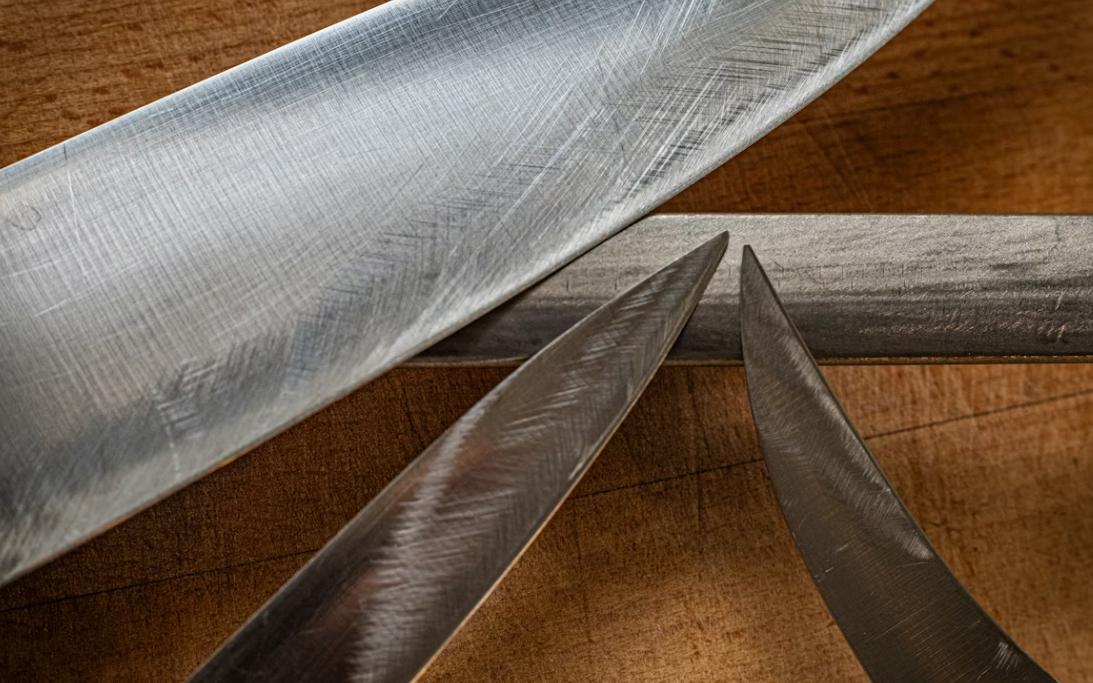
High carbon steel wins decisively here. Its softer carbides and uniform structure allow quick restoration on a basic whetstone or even a pull-through sharpener. Many stainless steels, especially powder metallurgy grades, contain hard vanadium carbides that slow sharpening and require diamond stones.
For retailers, this matters because customers who cannot easily sharpen a blade often blame the knife and return it. Carbon steel knives create happier repeat buyers simply because maintenance feels achievable.

Pros and Cons for Retailers
High Carbon Steel
長所
- Superior edge retention and razor sharpness keep professional chefs and enthusiasts satisfied, driving repeat business and referrals.
- Easy to sharpen on basic whetstones, so customers maintain edges themselves with fewer complaints.
- Lower raw material costs yield healthier margins and room for competitive pricing or accessory bundles.
短所
- Zero chromium means guaranteed rust without proper care, leading to negative reviews and warranty claims from careless buyers.
- High maintenance shrinks the mass-market appeal, as casual consumers expect a “use and forget” experience.
- Requires humidity-controlled storage to prevent surface oxidation before products reach customers.
ステンレス鋼
長所
- Chromium oxide layer prevents rust even with customer neglect, cutting returns and service costs dramatically.
- Minimal maintenance appeals to home cooks and gift buyers, enabling larger sales volumes through standard retail.
- Stable in storage for months without degradation, reducing warehouse shrinkage and logistics headaches.
短所
- Edge retention lags behind high carbon, disappointing users who upgrade and notice faster dulling on budget grades.
- Harder-to-sharpen alloys like S30V frustrate customers with basic sharpeners, leading to premature replacement.
- Premium grades cost more per unit, creating price confusion when shoppers compare them to entry-level carbon steel.
Use Cases and Buying Recommendations

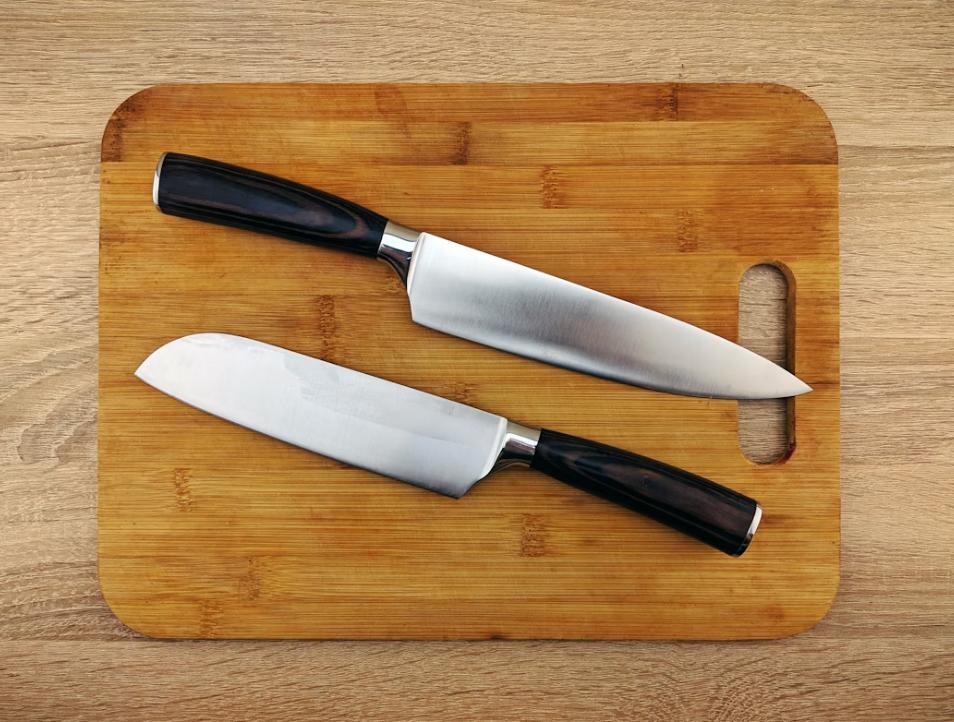
5Cr15 430ステンレススチールハンドルシェフナイフ 200 mm LKWCK10002
High Carbon Steel: Best Applications
- Professional Kitchens: Dominates fine-dining and sushi environments where absolute sharpness affects plate presentation. Executive chefs demand the finest edge possible, and carbon steel delivers. Stock gyutos and deba knives for this segment.
- Outdoor and Hunting: Ideal for field sharpening with minimal equipment. A few strokes on a portable whetstone restore the edge between cuts. Pair with blade oil in your accessory lineup, as marine environments accelerate rust.
- Custom and Enthusiast Markets: Collectors seek high carbon steel for its performance pedigree and patina development. These buyers understand maintenance and turn into loyal repeat customers. Position carbon steel as your premium tier.
Stainless Steel: Best Applications
- Home Cooking and Mass Market: Wins decisively in home kitchens where users rarely oil blades. A stainless steel chef knife generates fewer complaints and fits the expectations of buyers at big-box retailers. This is your volume driver.
- Gift and Promotional Markets: The safer wholesale bet for corporate gifts, wedding registries, and promotional items because it forgives neglect. High carbon steel gifts often end up as rusted disappointments.
- Food Service and Institutional Buyers: Withstands commercial dishwashers and complies with hygiene standards. Cafeterias, catering companies, and hotel kitchens almost exclusively buy stainless because it requires no employee training on blade care.
Inventory Mix Recommendation
For most knife retailers, a 60/40 stainless-to-carbon split balances volume and margin. Allocate stainless steel SKUs to your top-performing price tiers for consistent cash flow, then use high carbon steel as a specialty category that attracts enthusiast traffic and supports premium positioning.
If your customer base skews professional chef or hunting-focused, invert the ratio to 40/60 and invest in educational content that reduces rust-related returns.
Supply Chain and Procurement Considerations

| Cost Dimension | High Carbon Steel | ステンレス鋼 |
|---|---|---|
| 原材料費 | Low (iron + carbon) | High (chromium / molybdenum / vanadium alloys) |
| Wholesale Unit Price | 15–30% lower | ベースライン |
| Prototype / Sampling Cost | 低い | 30–50% higher |
| 最小発注単位 | 500–1,000 pieces | 1,000–3,000 pieces |
| 生産リードタイム | 3–4 weeks | 5–7 weeks |
| Storage Requirements | Humidity control needed | No special requirements |
| Return / After-Sales Cost | Higher (rust complaints) | より低い |
| Total Cost of Ownership (TCO) | Medium (low purchase + high after-sales) | Medium (high purchase + low after-sales) |
MOQ and Lead Time
Carbon steel orders carry lower MOQs and shorter lead times. Factories can turn around trial orders of 500–1,000 pieces in 3–4 weeks, making carbon steel ideal for market testing without tying up too much working capital.
Stainless steel, especially powder grades, demands 1,000–3,000 piece minimums and 5–7 week lead times due to complex heat treatment. The broader appeal justifies the larger commitment once demand is proven.
Raw Material Cost Volatility
Stainless steel faces bigger price swings. Chromium and molybdenum are traded commodities; when alloy prices spike, wholesale costs follow within one to two quarters.
Carbon steel relies on stable iron and carbon inputs, making fixed-price contracts safer. If you lock in long-term stainless steel agreements, build in a 5–10% price buffer to absorb alloy volatility.
OEM and Customization Costs
Carbon steel prototypes cost 30–50% less. Minimal setup and forgiving heat treatment make sampling cheap and fast. For retailers developing private-label knives, carbon steel is the smarter choice for initial market testing.
Stainless prototypes need precise furnace control, so reserve them for proven SKUs that command premium retail prices.
Production Line Switching
Mixed orders trigger switching surcharges. Carbon residue contaminates stainless melts, so lines must be cleaned between runs. This switching cost is usually absorbed by the factory on large orders but may appear as a surcharge on mixed small orders.
Consolidate carbon and stainless orders into separate batches to avoid downtime and protect your margins.
Seasonal Demand Patterns
Carbon steel peaks in spring and fall (outdoor season). Spring and autumn drive hunting, camping, and fishing knife sales, which skew heavily toward carbon steel for field sharpening.
Stainless steel surges ahead of holidays and wedding seasons where buyers prioritize low-maintenance appeal. Plan procurement accordingly: carbon in Q1/Q3, stainless in Q2/Q4.
Quality Control and Yield Rates
Carbon steel tolerates wider manufacturing variance. A few degrees off target rarely ruins a carbon blade. High-alloy stainless demands tight heat treatment windows; drift raises defect rates and extends lead times.
When sourcing stainless steel knives, confirm that your supplier runs batch hardness testing and publishes yield data.
Conclusion: Which Steel Is Better for Your Knife Store
The hardness and edge retention are where high carbon steel proves to be better. For customers who demand razor-sharp performance and do not mind maintenance, carbon steel delivers unmatched value.
However, the improved corrosion resistance and lower maintenance of stainless steel can make a big difference for busy kitchen staff, outdoor users, and general consumers who neglect blade care.
From a price point, high carbon steel typically costs less per unit, but stainless steel generates fewer returns and warranty claims. Most stores are better off carrying both: carbon steel for enthusiast and professional segments, stainless steel for mass-market and gift buyers.
LeeKnives: Your Source for Carbon and Stainless Steel Knives
Whether you are building a premium carbon steel line for chefs and hunters or a stainless steel catalog for home cooks and gift buyers, LeeKnives delivers factory-direct quality with the flexibility your business needs.
We source both steel families from certified mills, run in-house heat treatment, and offer MOQs as low as 500 pieces for trial orders—so you can test the market before scaling up.
私たちの OEM そして ODM services cover steel selection, custom blade geometry, handle materials, and branded packaging. This means you can launch private-label knives in both high carbon and stainless grades without building your own factory.
With over 30 years of manufacturing experience and fulfillment centers in the US and China, we help North American retailers move from first sample to full container loads with consistent quality and competitive pricing.
Request a Free Quote for Wholesale Knives.
LeeKnivesでカスタムナイフラインをより早く立ち上げましょう
設計から最終出荷まで、OEM/ODM の完全なサポートにより、成長に集中できます。
米国の倉庫に保管されているため、迅速で信頼性の高い配送が可能です。
よくある質問
Can high carbon steel knives go in the dishwasher?
No. Dishwasher detergent and prolonged water exposure will destroy a high carbon steel blade within a few cycles. The aggressive chemicals strip any protective oil, and the humid environment guarantees rust. If your retail customers ask, recommend hand-washing and immediate drying. For food-service buyers who demand dishwashers, stainless steel is the only viable option.
Can a rusted high carbon steel knife be restored?
Yes, in most cases. Light surface rust can be removed with a gentle abrasive like a rust eraser or fine steel wool followed by re-oiling. Deep pitting weakens the blade and may render it unsafe. Retailers should stock blade oil and rust erasers as add-on sales to carbon steel buyers, turning a potential complaint into a repeat purchase.
Is stainless steel completely rust-proof?
No steel is truly rust-proof. Stainless steel resists corrosion because its chromium content forms a protective oxide layer. However, prolonged exposure to salt water, acidic foods, or harsh chemicals can break down that layer and cause spotting. Premium grades with higher molybdenum content resist this better, but no stainless knife should be left wet indefinitely.
How often should high carbon steel knives be sharpened?
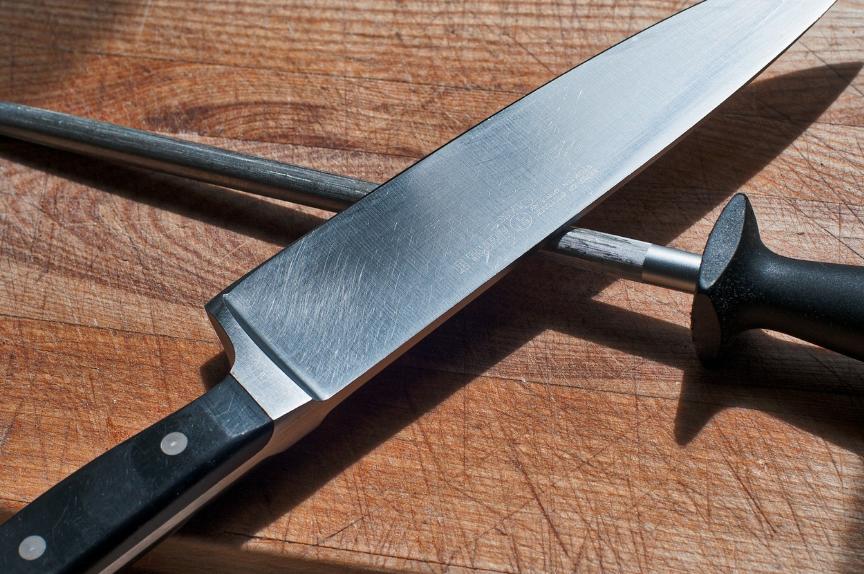
A professional chef using a high carbon steel knife daily will typically hone it on a steel rod before each shift and fully sharpen it on a whetstone once every one to two weeks. Home cooks may go a month or longer between full sharpenings. The key selling point is that when it does need attention, carbon steel restores its edge in minutes rather than hours.