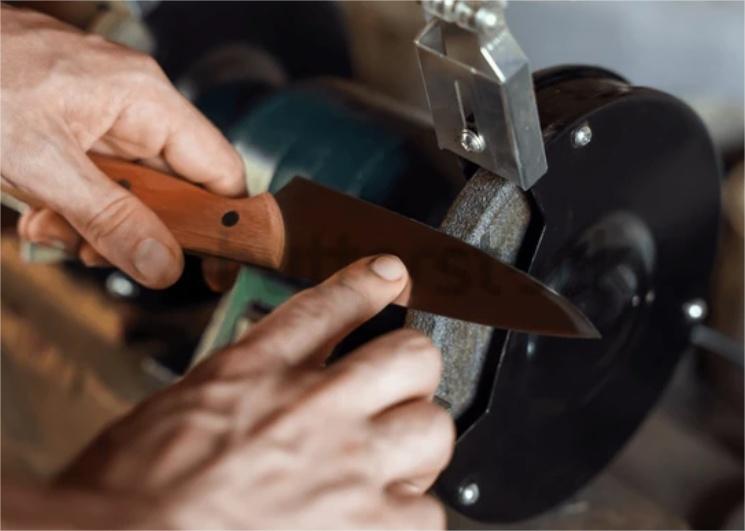
China ist das weltweit führende Zentrum für die Messerherstellung. Im Jahr 2024 exportierte China $1,66 Milliarden Wert von Messern, unter Berücksichtigung von 51.5% der globalen Messerexporte — dem höchsten Anteil aller Länder weltweit (OEC Welt). Die Gesamtproduktion von Messern, Scheren und Klingen erreichte 2,9 Milliarden Einheiten, um% gegenüber dem Vorjahr gestiegenIndexBox, 2025).
In Yangjiang – weithin als Chinas Messerhauptstadt anerkannt – überstieg die lokale Messer- und Eisenwarenindustrie 55 Milliarden RMB in Produktionswert in 2024, wobei Produkte aus Yangjiang einen Anteil von acht von zehn Messern, die China exportiert an die WeltChina Daily, 2025).
Für B2B-Käufer – Importeure, Eigenmarken und Einzelhändler – bietet China ein unvergleichliches Fertigungsvolumen, eine Produktvielfalt und OEM-Flexibilität. Dieser Leitfaden hilft Ihnen, die richtigen chinesischen Messerhersteller nach Produktkategorie zu identifizieren und eine zuverlässige Beschaffungspartnerschaft aufzubauen.
Chinas drei wichtigste Messermanufaktur-Zentren
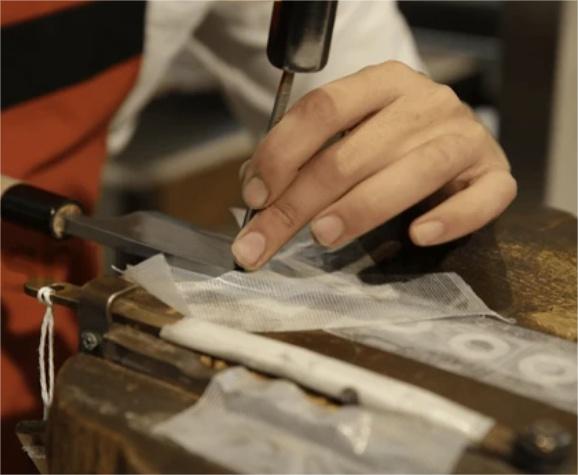
Zu wissen, wo ein Hersteller ansässig ist, verrät viel über seinen Produktfokus, seine Fähigkeiten und die Tiefe seiner Lieferkette.
Yangjiang, Guangdong – Die Messinghauptstadt der Welt
Yangjiang ist die dominierende Kraft in der chinesischen Messerherstellung und macht etwa 70% der gesamten chinesischen Messenproduktion Und 85% seiner Messerexporte.
Die Stadt hat eine über 1.400-jährige Geschichte der Klingenschmiede und beherbergt heute eine vollständig vertikal integrierte Lieferkette: Bezug von Edelstahl, Druckguss, Wärmebehandlung, Galvanisierung, Griffherstellung und Exportlogistik – alles in einem konzentrierten geografischen Cluster.
Schlüsselinfrastruktur für B2B-Käufer:
- Yangjiang Internationale Haushaltswaren, Messer und Scheren Handelsstadt – der Großhandelsknotenpunkt der Region
- Nationales Prüfungszentrum für Qualität von Messern, Scheren und Metallwerkzeugen für den Massenmarkt staatlich unterstützte Teststelle
- China (Yangjiang) Internationale Messer- und Scherenmesse — findet jährlich im Oktober statt, eine primäre Beschaffungsveranstaltung
Yangjiang-Hersteller decken alle Segmente ab: Küchenmesser, Klappmesser für den täglichen Gebrauch, Outdoor-/Taktikmesser, Jagdmesser und Multitools. Egal, ob Sie 500 Stück Küchenmesser mit Eigenmarke oder 50.000 Stück günstige Taschenmesser, hier besteht die Kapazität.
Longquan, Zhejiang – Die alte Schwertstadt
Longquan hat ein 2.600-jährige Geschichte der Schwert- und Klingenschmiedekunst. Es ist als Region für immaterielles Kulturerbe ausgewiesen und die Anlaufstelle für handgeschmiedete traditionelle chinesische Schwerter, Katanas im japanischen Stil, Anime/Cosplay-Klingen und Sammlerwaffen.
Die Hersteller hier sind eher kleinere, handwerklich orientierte Werkstätten als Fabriken mit hoher Stückzahl.
Am besten geeignet für: Martial-Arts-Händler, Sammlermärkte, Importeure von Anime-/Cosplay-Artikeln, Museen und Geschenkekäufer.
Andere Cluster
- Guangdong (Dongguan, Jiangmen): Industriemesser, Werkstattklingen, OEM für Markenwerkzeugfirmen
- Zhejiang (größere Region): Garten- und landwirtschaftliche Schneidwerkzeuge
Für die meisten B2B-Messerkäufer – insbesondere für diejenigen, die Küchen-, EDC-, taktische oder Jagdmesser beziehen – ist Yangjiang das Hauptziel.
Arten chinesischer Messerschmiede nach Produktkategorie
Dies ist der kritischste Abschnitt für B2B-Käufer. Chinesische Messersteller sind hochspezialisiert. Eine Fabrik, die hochwertige Klappmesser aus Titan für westliche Designerkooperationen herstellt, operiert auf einer völlig anderen Ebene und mit einem anderen Arbeitsablauf als eine, die günstige Küchensets für den Massenhandel produziert.
Die richtige Zuordnung Ihrer Produktkategorie und Qualitätsstufe zum passenden Herstellertyp ist die Grundlage für eine erfolgreiche Beschaffungsstrategie.
| Hersteller | Kategorie | Standort | Wichtigste Stärken | Hinweise |
|---|---|---|---|---|
| Shibazi | Küche | Yangjiang | Jahrhundertealte Marke, vertikal integrierte Produktion, breites Stahlsortiment | Beste Passform für traditionelle chinesische Küchenmessertypen im großen Maßstab |
| Dengjia Messer | Küche | Dazu, Chongqing | Authentisches Schmiedeerbe, Expertise in Kohlenstoff- und Damaststahl | Besser geeignet für manufaktorisch positionierte, handgeschmiedete Messerprogramme |
| WE Messer / CIVIVI / SENCUT | EDC | Yangjiang | Premium-Titanium-EDC, High-End-Fertigung, mehrstufiges Markensystem | Stärkste im Ultra-Premium-Segment der Klappmesser |
| Kizer | EDC | Guangdong | Präzisionsbearbeitung, starkes Ökosystem für Designerzusammenarbeit | In der US-amerikanischen EDC-Gemeinschaft hoch geachtet |
| Kreieren | EDC | Guangdong | Ultimativ-hochwertige Titan-Faltmesser, Handwerkskunst auf Boutique-Niveau | Fokus auf den Sammlermarkt für Kleinserien, High-End |
| Artisan Cutlery / CJRB | EDC | Yangjiang | Dual-Brand-Strategie, AR-RPM9-Stahl, starkes Preis-Leistungs-Verhältnis | Ausgeglichenes Mittelklasse-Budget für EDC-Abdeckung |
| Kansept / Tenable | EDC | Yangjiang | Innovative Schlossdesigns, moderne EDC-Ästhetik | Designgetriebenes Ökosystem aufstrebender Marken |
| Bestech | EDC | Guangdong | Titanium-Faltkompetenz, aggressive moderne Designs | Starke taktische / Flipper-Messer-DNA |
| QSP Messer | EDC | Yangjiang | Hohes Preis-Leistungs-Verhältnis, breite SKU-Palette | Beliebt für Einsteiger-Sortimente im Einzelhandel |
| Versteinerte Fische | EDC | Yangjiang | Lagerdrehpunkte, starke Passform und Verarbeitung zu einem niedrigen Preis | Budget EDC Leistungsträger |
| Vosteed | EDC | Yangjiang | Gemeinschaftsgesteuertes Design, moderne Ästhetik | Wachstumsstarke Marke der neuen Generation |
| Kunwu | EDC | Yangjiang | Hochwertiger Stahl zu aggressiven Preisen, Titan-Konstruktionen | Sammlerorientierte Wertpositionierung |
| WE Messer (Custom Line) | OEM | Yangjiang | Titan, Damast, Timascus, Designer-Kollaborationen | Chinesische Premium-Messerherstellung der Spitzenklasse |
| LeeKnives | OEM | Yangjiang | Mehrkategorienfertigung (Küche, EDC, Damast) | Groß angelegte Beschaffung + Eigenmarken-Fähigkeit |
| Kegani | OEM | Yangjiang | Maßgeschneiderte OEM & Eigenmarken; EDC, Klappmesser, feststehende Klingen (Taktisch/Outdoor), Küchenmesser | Flexibler Partner für Kleinserienfertigung |
Chinesische Küchenmessermacher
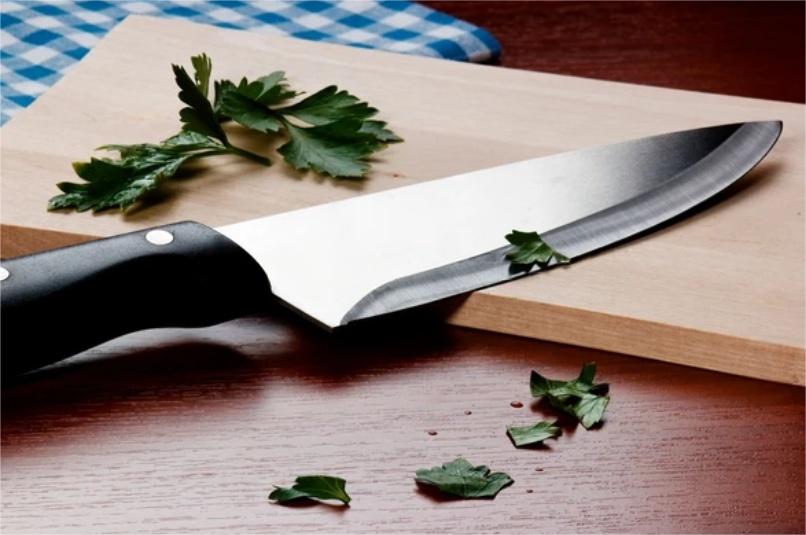
Am besten geeignet für: Restaurantzulieferer, Kochgeschirrhändler, Private-Label-Verkäufer auf Amazon/Shopify, Hotel- und Gastro-Lieferanten, Einkäufer von Lebensmittelketten.
Küchenmesser sind die mit Abstand größte Exportkategorie aus Yangjiang. Das Segment reicht von preiswerten Edelstahlsets ($2–5 FOB pro Stück) bis hin zu professionellen Kochmessern mit VG-10- oder AUS-10-Stahl ($15–40+ FOB). Die meisten Fabriken bieten Standardmäßig Private-Label-Verpackungen, kundenspezifische Griffmaterialien und per Laser gravierte Logos an.
Gängige Zertifizierungen, die erforderlich sind: FDA (US-Lebensmittelkontakt), LFGB (EU/Deutschland), ISO 9001, BSCI.
Gängige Stahlsorten:
- 3Cr13MoV (Einsteigerklasse)
- 5Cr15MoV (mittel)
- 7Cr17MoV (Gewerbequalität)
- AUS-8 / AUS-10 / VG-10 (Premium-Segment)
| Hersteller | Standort | Wichtigste Stärken | Hinweise |
|---|---|---|---|
| Shibazi | Yangjiang | Jahrhundertealte Marke, vertikal integriert, breites Stahlsortiment, starker heimischer Vertrieb | Beste Passform für traditionelle chinesische Küchenformate im industriellen Maßstab |
| Dengjia Messer | Dazu, Chongqing | Authentische Schmiedetradition, regionaler Maßstäbe-Setzer, Spezialist für Carbon- und Verbundstahl | Besser geeignet für handgeschmiedete OEM-Programme, die auf Handwerkskunst ausgerichtet sind |
Shibazi
Gegründet 1889 in Yangjiang, Guangdong, ist Shibazi eine der ältesten und angesehensten Besteckmanufakturen Chinas, die auf über ein Jahrhundert Klingenschmiedetradition aufbaut.
- Gegründet: 1889
- Rumpfstärke: Chinas bekannteste Haushaltsküchenmessermarke, die als Pionier bei der Verwendung von militärischen und importierten Premium-Stählen für zivile Küchenmesser gilt. Der Jahresumsatz erreichte 2023 620 Millionen RMB, mit Produkten, die über Einzelhandelsketten vertrieben und weltweit exportiert werden.
- Produktionsfußabdruck Betreibt eine vertikal integrierte Gruppenstruktur, die Rohstahlbeschaffung, Wärmebehandlung, Vakuumtechnik und Fertigung von Messern umfasst – und bietet vollumfängliche OEM-Fähigkeiten von preisgünstigen bis hin zu Premium-Küchenlinien.
Einschränkungen, die zu beachten sind: Die Identität von Shibazi ist tief in traditionellen chinesischen Hackbeil- und Schwerlast-Küchenmessern verwurzelt. OEM-Käufer, die nach westlichen Kochmessern, Gyutos im japanischen Profil oder hochmodernen Designs suchen, könnten feststellen, dass es schwieriger ist, von ihren Kernwerkzeugen und ästhetischen Standards abzuweichen, ohne erhebliche Investitionen in kundenspezifisches Werkzeug zu tätigen.
Dengjia Messer
Gegründet 1898 im Bezirk Dazu, Chongqing, ist Dengjia (auch bekannt als Dengs Messer) ein familiengeführter Messerhersteller in fünfter Generation mit Wurzeln, die auf die Schmiedetraditionen der Tang-Dynastie im Landesinneren Chinas zurückgehen.
- Gegründet: 1898
- Rumpfstärke: Einer der wenigen chinesischen Küchenmessermacher, die authentisches Schmieden weiterhin als Produktionsschwerpunkt und nicht nur als Marketingaussage beibehalten. Dengjia hat den Gruppennormungsentwurf für geschmiedete Küchenmesser in der Region Dazu ausgearbeitet und sich damit als technische Autorität in traditioneller chinesischer Klingenschmiedekunst positioniert.
- Produktionsumfang: Betreibt eine standardisierte Fabrik von über 6.000 m² in Dazu, die kundenspezifische Designs und Großserien-OEM-Bestellungen für Küchenmesser aus Kohlenstoffstahl, Verbundstahl und Edelstahl unterstützt – mit besonderer Expertise bei handgeschmiedeten Fleischermessern und Kochmessern.
Einschränkungen, die zu beachten sind: Dengjias Fertigungsidentität konzentriert sich auf das Schmieden von Hand, was naturgemäß geringfügige Abweichungen von Stück zu Stück mit sich bringt und die Konsistenz der Produktion bei sehr hohen Stückzahlen begrenzt. OEM-Käufer, die enge Maßtoleranzen im Massenproduktionsmaßstab oder eine rein maschinell bearbeitete Ästhetik benötigen, könnten feststellen, dass der Schmiedeprozess nicht zu ihrem Qualitätskontrollrahmen passt.
Quellenvermerk: Für Küchenmesser, die für den US- oder EU-Markt bestimmt sind, bestätigen Sie immer die Konformität mit FDA- oder LFGB-Vorschriften für Lebensmittelkontakt, bevor Sie eine Produktionsbestellung aufgeben. Fordern Sie Testberichte an, nicht nur Zertifikate – Berichte zeigen tatsächlich getestete Materialien.
Chinesische Folding- und EDC-Messerhersteller
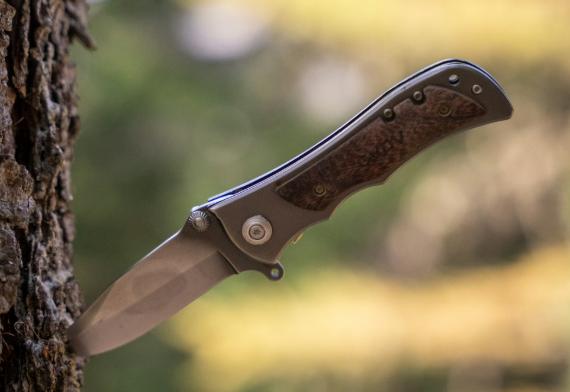
Am besten geeignet für: Messerfachhändler, Outdoor-Marken, Amazon-Messerverkäufer, Boutique-Messermarken, Sportartikelgroßhändler.
Chinas Klappmesser Der Sektor hat in den letzten zehn Jahren eine dramatische Qualitätsverbesserung erfahren. Hersteller wie WE Knife und Kizer produzieren mittlerweile Messer, die direkt mit amerikanischen und europäischen Herstellern konkurrieren, und das zu einem Bruchteil des Preises. Dieses Segment ist auch das aktivste für OEM-Arbeiten mit westlichen Designern und Marken.
Preisklasse: $8–15 FOB (Budget-EDC) → $40–120+ FOB (hochwertiges Titan-Framelock).
Gängige Materialien: G10, Kohlefaser, Titan, Micarta-Griffe; S35VN, M390, 20CV, CPM-S45VN Klingenstähle im Premium-Bereich.
| Hersteller | Standort | Wichtigste Stärken | Hinweise |
|---|---|---|---|
| WE Knife Co. | Yangjiang | Hochwertiges Titan-EDC, OEM für weltweit führende Marken, Designer-Kooperationen | Gegründet 2000; selbst bezeichnet als der größte chinesische Hersteller von Qualitätsbesteck. Muttergesellschaft von CIVIVI und SENCUT |
| CIVIVI / SENCUT | Yangjiang | Mittelklasse EDC zu erschwinglichen Preisen | Sub-Marken von WE Knife, die sich an das Budget- und Mittelklassesegment richten |
| Kizer Besteck | Guangdong | Präzisionsbearbeitung, arbeitet mit westlichen Designern (Rick Hinderer, etc.) | Starker Ruf in der US-Messer-Community |
| Reate Messer | Guangdong | Ultra-Premium-Titan-Folien, Designer-Kooperationen (Dirk Pinkerton usw.) | Kleinserienprduktion, hohe Stückpreise; nicht geeignet für den Großhandelsmassenkauf |
| Artisan Cutlery / CJRB | Yangjiang | Premium Artisan Linie + erschwingliche CJRB Sub-Marke | Dual-Branding-OEM-Modell; gut für Käufer von gestaffelten Sortimenten |
| Kansept / Tenable | Yangjiang | OEM/ODM-Service, innovative Schlossmechanismen | Explizites OEM-Programm; Tenable ist ihre Value-Submarke |
| Bestech-Messer | Guangdong | Titanium-Ordner, über ein Jahrzehnt OEM-Erfahrung | Tätig im OEM-Bereich für globale Messermarken |
| QSP Messer | Yangjiang | Value-Tier EDC, breite SKU-Palette | Beliebt bei Messerschärfer-Händlern für Einsteiger-Sortimente |
| Versteinerte Fische | Yangjiang | Hauptlager-Budgetführer; starkes Preis-Leistungs-Verhältnis; treue EDC-Community-Fangemeinde | Begrenzte formelle OEM-Infrastruktur; besser für kleinere kundenspezifische Programme. |
| Vosteed | Yangjiang | Gemeinschaftsorientiertes Design; Eigenfertigung; gewagte Ästhetik; starke Bewertungsergebnisse | Begrenzte OEM-Erfahrung; am besten für Käufer, die bereit sind, mit einem neueren Partner zu wachsen |
| Kunwu | Yangjiang | Titan und Edelstahl zu unterdurchschnittlichen Preisen; solider Sammlerruf | Bescheidene Produktionsgröße; begrenzte Erfahrung mit Drittanbieter-OEMs |
WE Knife Co. (und CIVIVI / SENCUT)
Gegründet im Jahr 2000, gilt WE Knife Co., Ltd. weithin als der größte chinesische Hersteller von Premium-Messer. Mit Sitz in Yangjiang nutzen sie hochmoderne CNC- und EDM-Maschinen, um makellose Titan-Framelocks und High-End-EDC-Messer herzustellen.
Um verschiedene Marktsegmente zu bedienen, hat WE Knife CIVIVI (Mittelklasse, G10/Micarta) und SENCUT (preisgünstig) eingeführt, wodurch B2B-Käufer ein komplettes “gut, besser, am besten”-Sortiment von einem einzigen Mutterunternehmen beziehen können.
- Gegründet: 2000
- Rumpfstärke: Kompromisslose Qualitätskontrolle und erstklassige Titanbearbeitungsfähigkeiten.
- Marktposition Erfolgreicher Übergang von einer reinen OEM-Fabrik zu einer preisgekrönten Eigenmarke mit erstklassigen Designerkooperationen (z. B. Ben Petersen, Ostap Hel).
Einschränkungen, die zu beachten sind: WE Knives' immenser Erfolg mit ihren eigenen Markenlinien (WE, CIVIVI, SENCUT) bedeutet, dass ihre Fabrizauslastung stark auf ihre internen Marken ausgerichtet ist. Die Sicherung von OEM-Produktionszeiten bei WE Knife kann schwierig sein, die Lieferzeiten können lang sein, und ihre Premium-Preisgestaltung lässt wenig Spielraum für hohe Margen, wenn Sie versuchen, im Budgetbereich zu konkurrieren.
Kizer Besteck
Gegründet im Jahr 2013 in Guangzhou, war Kizer Cutlery einer der ersten chinesischen Hersteller, der aktiv die Qualitätsstandards der USA im EDC-Bereich herausforderte.
Ausgestattet mit einem 3D-Drucklabor, fortschrittlichen CNC-Maschinen und einer firmeneigenen Prüfeinrichtung, zeichnet sich Kizer in der Präzisionsfertigung aus. Sie bieten robuste OEM/ODM-Lösungen mit einer typischen Lieferzeit von 45-60 Tagen.
- Gegründet: 2013
- Rumpfstärke: Massives kollaboratives Netzwerk, das mit über 150 internationalen Messermachern zusammenarbeitet.
- Compliance & Reichweite: ISO 14001-zertifiziert, mit Produkten, die weltweit über 800.000 Verbraucher erreichen.
Einschränkungen, die zu beachten sind: Kizers Designsprache ist sehr eigenständig und stark beeinflusst von ihrer riesigen Liste an Custom-Designern. Wenn ein OEM-Käufer ein sehr traditionelles, klassisches Messedesign (wie ein traditionelles Slipjoint oder Buck-Messer) wünscht, passt Kizers sehr moderner, CNC-lastiger und taktisch ausgerichteter Produktionsstil möglicherweise nicht am besten zur Ästhetik.
Reate Messer
Reate Knives, gegründet 2012 vom Maschinenbauingenieur David Deng, agiert an der absoluten Spitze der chinesischen Messermanufaktur. Mit Sitz in Yangjiang hat sich Reate auf ultra-hochwertige, Kleinserien von Titan-Klappmessern und Gravity-Messern spezialisiert. Ihre Anlage nutzt präzise Drahterodiertechnologie, Tieftemperatur-Anlassöfen und sorgfältige handwerkliche Veredelung.
- Gegründet: 2012
- Rumpfstärke: Ultra-Premium-Ausführung und integrierte Griffkonstruktion aus exotischen Materialien.
- Geeignet für: Der bevorzugte OEM-Partner für erstklassige westliche Messermacher, die makellose Mid-Tech-Produktionen suchen (nicht geeignet für den Großhandel).
Einschränkungen, die zu beachten sind: Reate ist ausschließlich ein Premium-Hersteller in Kleinserien. Ihre FOB-Preise gehören zu den höchsten in China und ihre Produktionskapazität ist sehr begrenzt. Sie sind völlig ungeeignet für den Massenmarkt, günstige EDC-Linien oder Käufer, die schnelle Lieferzeiten für große Großhandelsaufträge benötigen.
Artisan Cutlery / CJRB
Gegründet im Jahr 2018 in Yangjiang, machte sich Artisan Cutlery schnell einen Namen durch die Kombination traditioneller Handwerkskunst mit moderner CNC- und Drahterosionstechnologie. Das Unternehmen verfolgt eine sehr erfolgreiche Dual-Brand-Strategie: Die Flaggschiff-Linie Artisan Cutlery konzentriert sich auf Premium-Materialien, während die Sub-Marke CJRB hochwertige, preisgünstige EDC-Messer liefert.
- Gegründet: 2018
- Rumpfstärke: Entwickelte ihren eigenen proprietären pulvermetallurgischen Stahl, AR-RPM9, der eine hervorragende Schnitthaltigkeit zu einem erschwinglichen Preis bietet.
- Logistik Unterhält globale Lagerhäuser für den schnellen internationalen Versand und Vertrieb.
Einschränkungen, die zu beachten sind: Das schnelle Wachstum von Artisan Cutlery wurde maßgeblich von ihrem proprietären AR-RPM9-Stahl angetrieben. Obwohl für den Preis ausgezeichnet, könnten B2B-Käufer, die für ihre OEM-Projekte streng nach namhaften Premium-Weststahltypen (wie Crucible S35VN oder MagnaCut) verlangen, feststellen, dass Artisan ihren proprietären Inhouse-Stahl als Standardoption anbietet, was für importierte Materialien festere Verhandlungen erfordert.
Kansept Messer / Tenable Messer
Kansept Knives ist ein Hersteller aus Yangjiang, der Wert auf Innovation und kühne Designs legt. Mit einem Produktionsteam von über 20 Jahren Erfahrung nutzt Kansept fortschrittliche Maschinen in Kombination mit sorgfältiger Handarbeit, um hochwertige EDC-Taschenmesser herzustellen. Kürzlich haben sie Tenable Knives als preisorientierte Submarke eingeführt, um den Markt für preisgünstige EDC-Messer zu erschließen.
- Gegründet: Gegründet 2020 von Kim Ning, ehemaliger Produktionsleiter bei Kizer; Kim bringt über 20 Jahre persönliche Branchenerfahrung mit
- Rumpfstärke: Hochaktives und explizites OEM/ODM-Programm, das Kooperationen mit aufstrebenden Messermachern begrüßt.
- Designfokus Bekannt für innovative Schließmechanismen und die Zusammenarbeit mit angesehenen ausländischen Designern.
Einschränkungen, die zu beachten sind: Als relativ neue Marke im Rampenlicht der Welt im Vergleich zu WE oder Kizer baut Kansept immer noch seine langfristige Markenbekanntheit auf. Während ihre OEM-Fähigkeiten stark sind, könnten Käufer, die mit einer Fabrik, die in der westlichen Messergemeinschaft sofortigen, jahrzehntelangen Prestig hat, Co-Branding betreiben wollen, Kansept als etwas weniger etabliert empfinden.
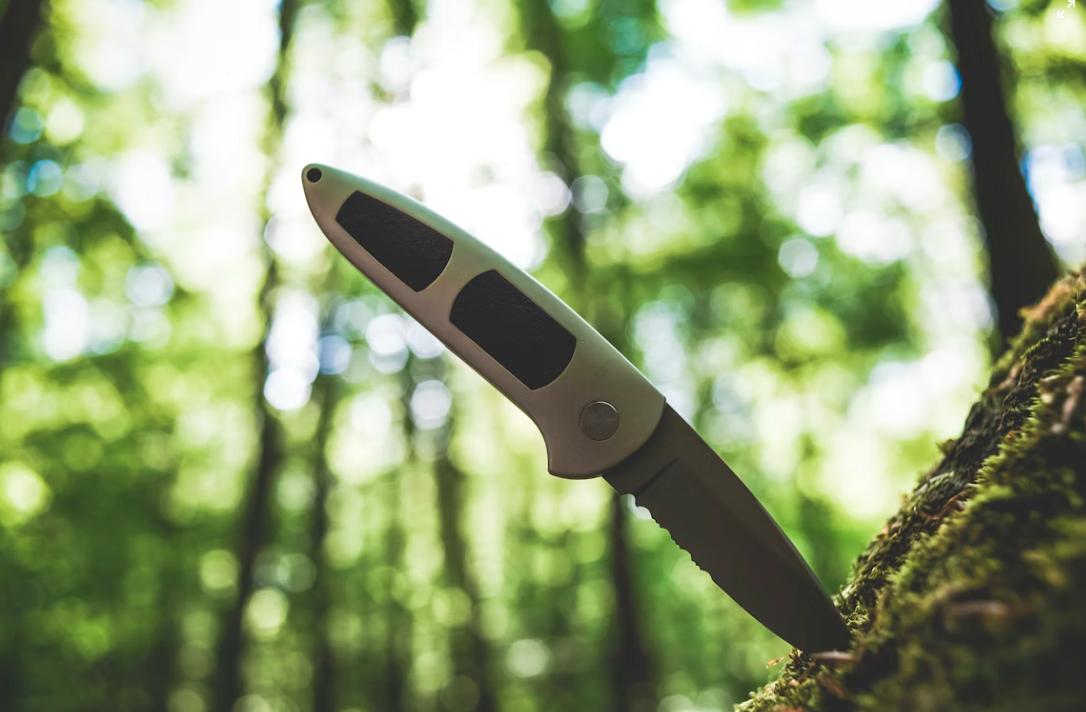
Bestech-Messer
Gegründet 1995, nutzt Bestech Knives jahrzehntelange Erfahrung in der OEM-Fertigung, um hochwertige EDC-Klappmesser herzustellen. Ihre Anlage in Yangjiang ist mit CNC-Schnitzmaschinen, Laserschneidwerkzeugen und Anodisiermaschinen ausgestattet. Sie bieten hochwertige OEM-Fertigungsdienstleistungen für einen globalen Markt an und entwickeln gleichzeitig ihre Eigenmarken.
- Gegründet: 1995
- Rumpfstärke: Umfassende Expertise in der OEM-Fertigung von Titan-Klappmessern.
- Markenstrategie: Bietet Premium-Bestech-Modelle neben der preisgünstigen Zweitmarke BESTECHMAN an.
Einschränkungen, die zu beachten sind: Bestechs Katalog ist riesig, aber viele seiner Designs teilen eine sehr ähnliche, aggressive und moderne Ästhetik. Käufer, die schlichte Gentleman-Folder oder traditionelle Outdoor-Ästhetik suchen, werden feststellen, dass Bestechs Design- und Herstellungs-DNA zu stark in die Kategorie “Taktischer Flipper” tendiert.
QSP Messer
QSP Knife (Qualität, Service, Preis), gegründet 2017 nach jahrelanger Fertigung für andere Marken, hat sich schnell zu einem Favoriten unter Messenhändlern für seine EDC-Angebote im Preiswertsegment entwickelt. Mit Sitz in Yangjiang nutzt QSP Wasserstrahlschneiden, Vakuumwärmebehandlung und CNC-Schleifen, um zuverlässige Klappmesser zu wettbewerbsfähigen Preisen herzustellen.
- Gegründet: 2017
- Rumpfstärke: Hervorragendes Preis-Leistungs-Verhältnis mit einer sehr breiten SKU-Spanne.
- OEM-Flexibilität Hohe Bereitschaft zur Accommodation von OEM/ODM-Anpassungen, was sie ideal für Großhändler macht, die Einstiegsartikel aufbauen.
Einschränkungen, die zu beachten sind: Der enorme Erfolg von QSP wurzelt im Budget- und Mittelklassemarkt (z. B. ihr berühmtes Modell “Penguin” aus D2-Stahl). Während sie zu Premium-Fertigung fähig sind, werden B2B-Käufer, die $über 300 Ultra-Luxus-Titan-Integrale herstellen möchten, feststellen, dass QSP's Fabrik auf die kostengünstige Massenproduktion und nicht auf langwierige, sorgfältige Boutique-Veredelung optimiert ist.
Versteinerte Fische
Petrified Fish operiert von Yangjiang aus und ist eine moderne chinesische EDC-Marke, die sich eine Nische auf dem internationalen Budget-Messer-Markt geschaffen hat, indem sie erstklassig wirkende Konstruktionen – Kugellager, robuste Stahlvarianten und eine raffinierte Passgenauigkeit und Verarbeitung – zu aggressiv niedrigen Preisen anbietet.
- Gegründet: Mitte der 2010er Jahre (Gründungsjahr nicht öffentlich bekannt)
- Rumpfstärke: Petrified Fish nimmt eine angesehene Position im Bereich der EDC-Messer im Budget- bis mittleren Preissegment ein. Die Marke ist dafür bekannt, durchweg Messer mit Kugellager-Achsen zu liefern, die bei Preisen, die weit unter denen von Konkurrenten mit vergleichbaren Spezifikationen liegen, eine solide Verarbeitung aufweisen. Ihre Modelle wie das 818 und Victor sind zu Referenzpunkten in der Diskussion über preiswerte EDC-Messer geworden.
- Marktposition Konzentriert ausschließlich auf den internationalen Direktvertriebsmarkt, mit einer Produktlinie, die mechanische Leistung und moderne Ästhetik über Markengeschichten oder traditionelle Positionierung stellt.
Einschränkungen, die zu beachten sind: Das öffentliche OEM/ODM-Dienstleistungsangebot von Petrified Fish ist im Vergleich zu den größeren Herstellern in Yangjiang begrenzt. Käufer, die einen Full-Service-OEM-Partner mit dedizierter Vertriebsinfrastruktur und flexiblen MOQ-Programmen suchen, finden Petrified Fish möglicherweise weniger zugänglich als speziell auf OEM ausgerichtete Unternehmen.
Vosteed
Vosteed wurde 2021 von Johnny und Yue Dong gegründet und ist einer der neuesten Akteure in der chinesischen EDC-Herstellung – aufgebaut auf einer gemeinschaftsorientierten Designphilosophie und einer direkten Beziehung zwischen Endverbrauchern, Designern und der Fabrik.
- Gegründet: 2021
- Rumpfstärke: Vosteed arbeitet nach einem Modell schneller Design-Iterationen, das durch Echtzeit-Feedback der Community angetrieben wird und mit angesehenen internationalen Designern wie Ray Laconico zusammenarbeitet. Ursprünglich verließ sich Vosteed für die Produktion auf Kizer, hat aber inzwischen die gesamte Fertigung inhouse verlagert, was ihm die volle Kontrolle über Qualität, Lieferzeiten und Anpassungsmöglichkeiten gibt.
- Design Ethos: Kombiniert kühne, innovative Ästhetik mit praktischer Ergonomie und hat sich einen hervorragenden Ruf für eine überdurchschnittliche Qualität im Verhältnis zum Preis erworben. Die Kundenbewertungen liegen auf großen Vertriebskanälen durchweg bei 4,7/5 und höher.
Einschränkungen, die zu beachten sind: Als Marke, die 2021 gegründet wurde, befinden sich die OEM-Infrastruktur und die Erfahrung von Vosteed mit externen Kunden noch in einem frühen Stadium. Ihre Produktionskapazität und Bandbreite für Drittanbieter-OEM-Programme sind weniger bewiesen als bei etablierteren Yangjiang-Mitbewerbern, was sie zu einer besseren Wahl für OEM-Käufer macht, die gemeinsam mit einem neueren Fabrikpartner wachsen möchten.
Kunwu Messer
Kunwu, gegründet 2019 und im Nahuo Industriegebiet von Yangjiang ansässig, ist eine moderne, designorientierte Klappmessermarke, die mit einem klaren Ziel auf den Markt kam: Titan- und Premium-Stahl-Klappmesser zu Preisen anzubieten, die die üblichen Kategorienormen unterbieten.
- Gegründet: 2019
- Rumpfstärke: Das Hauptverkaufsversprechen von Kunwu sind hochwertige Materialspezifikationen – Titan-Griffe, Stähle wie Vanax, M390, 20CV und Elmax – zu Preisen, die deutlich unter denen von vergleichbaren US- oder europäischen Herstellern liegen. Die Marke hat aufgrund ihres hochwertigen mechanischen Designs und ihrer hohen Wertdichte eine loyale Sammlergemeinde gewonnen.
- OEM Verfügbarkeit: Kunwu bietet OEM-Fertigungsdienstleistungen zusätzlich zu seiner eigenen Markenlinie an, mit Kompetenzen, die besonders gut für Käufer geeignet sind, die auf das Premium-Material und das Mid-Tech-Preissegment abzielen.
Einschränkungen, die zu beachten sind: Kunwus Produktionsumfang ist im Vergleich zu etablierten Schwergewichten in Yangjiang eher bescheiden. OEM-Käufer mit großen Volumenanforderungen oder engen Lieferfristen könnten Kapazitätsengpässe feststellen, und die externe OEM-Erfolgsbilanz der Marke ist im Vergleich zu Herstellern mit längerer Geschichte in der Drittproduktion begrenzt.
Quellenvermerk: Das EDC-Segment weist bei einem gegebenen Preis die höchste Variabilität in der Qualität auf. Fordern Sie Stahlzertifikate (nicht nur “D2” oder “S35VN” auf der Klinge aufgedruckt) und überprüfen Sie die Härte der Wärmebehandlung (HRC 58–62 ist Standard für Premium-Stähle).
Chinesische kundenspezifische OEM- und Großhandelsmesserhersteller
Am besten geeignet für: Boutique-Messermarken, die eine charakteristische Produktlinie aufbauen, Premium-Geschenkartikelhersteller, B2C-Marken im Einzelhandelspreissegment von$80– $300+, Designerkollaborationsprojekte.
Eine kleine Riege chinesischer Hersteller operiert in Bezug auf Präzision, Materialien und Toleranzen auf einem Niveau, das von dem europäischer oder amerikanischer Hersteller nicht zu unterscheiden und in einigen Fällen sogar überlegen ist.
Diese Fabriken arbeiten in kleineren Chargen, erfordern längere Vorlaufzeiten und erzielen höhere FOB-Preise, aber sie ermöglichen ein echtes Markenaufbau aus China.
| Hersteller | Wichtigste Stärken | Typische Mindestbestellmenge |
|---|---|---|
| WE Knife Co. (Custom / Kollaboration) | Über 20 Jahre OEM-Erfahrung; Kapazitäten für Titan, Damast & Timascus; Kooperationen mit internationalen Top-Designern; Präsenz auf der SHOT Show | 200–500 Stück (variiert je nach Material & Komplexität) |
| LeeKnives | Über 30 Jahre Fertigungserfahrung; breiteste Kategorieabdeckung (Küche, EDC, Damast); Dropshipping & Lieferkettenmanagement | 100–300 Stück (weniger für Standard-SKUs; mehr für voll kundenspezifische Produkte) |
| Kegani | OEM/ODM-First-Modell; klare IP-Trennung; durchgängige Design-to-Production-Unterstützung für Klapp-, Feststeckmesser und Küchenmesser | 50–200 Stück (flexibel für Kleinserien-Sonderanfertigungen) |
(Hinweis: WE Knife wird in den obigen Abschnitten detailliert beschrieben.)
LeeKnives
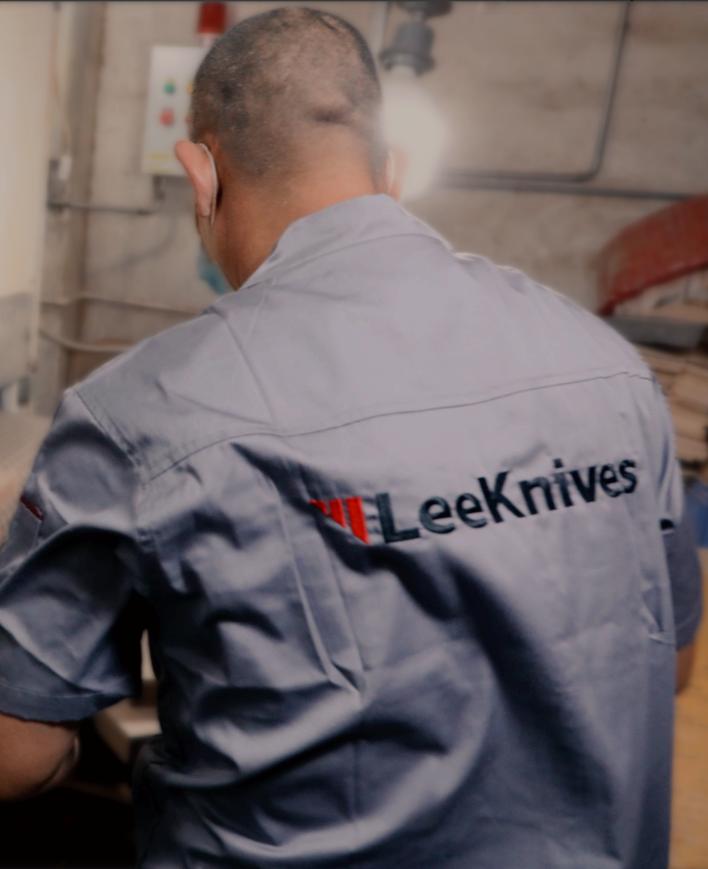
Gegründet 1993 in Yangjiang, LeeKnives ist einer der traditionsreichsten Messersteller der Region – fast zwei Jahrzehnte älter als die moderne chinesische EDC-Welle – und baute sein Geschäft hauptsächlich auf den Großhandel und OEM-Services in den Bereichen Küchenmesser, Taschenmesser und breitere Besteckkategorien auf.
- Gegründet: 1993
- Rumpfstärke: Mit über 30 Jahren kontinuierlicher OEM-Fertigungserfahrung in verschiedenen Produktkategorien verfügt LeeKnives über eine der tiefsten institutionellen Wissensbasen in Yangjiang. Das Unternehmen unterstützt aktiv Private-Label-Produktion, Dropshipping und ein vollständiges Lieferkettenmanagement für internationale Käufer und positioniert sich somit als reibungsloser Beschaffungspartner ebenso wie als Hersteller.
- Kategorienbreite: Im Gegensatz zu den meisten OEM-Fabriken, die sich auf EDC spezialisieren, deckt LeeKnives Küchenmesser, Taschenmesser, Damastklingen und Küchenutensilien unter einem Dach ab – was es besonders gut für Käufer geeignet macht, die mehrere Kategorien abdecken oder Marken, die ihre Bezugsquellen in China bei einem einzigen, erfahrenen Partner konsolidieren möchten.
Einschränkungen, die zu beachten sind: Die Stärken von LeeKnivesliegen in der Breite und Zuverlässigkeit der Lieferkette, eher als in bahnbrechender Designinnovation oder hochwertiger Konstruktion für Sammler. OEM-Käufer, die einen Hersteller suchen, der für die Produktion technisch komplexer, hoch angesehener Klappmesser mit exotischen Materialien bekannt ist, werden feststellen, dass LeeKnives besser für Volumen- und wertorientierte Programme geeignet ist als für Premium- oder Mid-Tech-Sammlersegmente.
Kegani
Basierend in Yangjiang mit Wurzeln im traditionellen Schwertmacherhandwerk der Region hat sich Kegani als spezialisierter Premium-OEM- und kundenspezifischer Messersteller positioniert. Das Unternehmen konzentriert sich darauf, ambitionierte internationale Marken und unabhängige Designer zu bedienen, die einen flexiblen und fähigen Fabrikpartner benötigen.
- Gegründet: Mit Sitz in Yangjiang; genauer Gründungszeitpunkt nicht öffentlich bekannt, operiert als modernes, primär auf OEM-Geschäfte ausgerichtetes Unternehmen
- Rumpfstärke: Kegani's Kernaussage ist eine durchgängige Fertigungspartnerschaft – von der Konzept- und Designunterstützung bis hin zur Lohnfertigung und Fulfillment. Sie sind spezialisiert auf das mittlere bis obere Segment der EDC-Branche (Everyday Carry), mit OEM/ODM-Services, die sowohl kundenspezifische Kleinserien als auch größere Großhandelsprogramme ermöglichen. Ihre veröffentlichten Kundenprojekte umfassen Klappmesser, feste Messer und Küchenmesser.
- Dienstleistungsmodell: Kegani wurde von Anfang an als OEM/ODM-Betrieb konzipiert und bietet eine klarere Trennung zwischen Kunden-IP und der Markenidentität der Fabrik als Hersteller, die neben ihrem OEM-Geschäft aggressive Eigenmarken-Einzelhandelsprogramme betreiben.
Einschränkungen, die zu beachten sind: Kegani verfügt nicht über den gleichen Markenbekanntheitsgrad oder die gleiche öffentlich dokumentierte Produktionshistorie wie etabliertere Hersteller wie WE oder Reate. Für Käufer, bei denen das Markenprestige des OEM-Herstellers ein Qualitätsmerkmal bei ihren Endkunden darstellt, kann das geringere öffentliche Profil von Kegani ein Faktor sein.
Wie Sie den richtigen chinesischen Messerhersteller auswählen: B2B-Entscheidungsrahmen
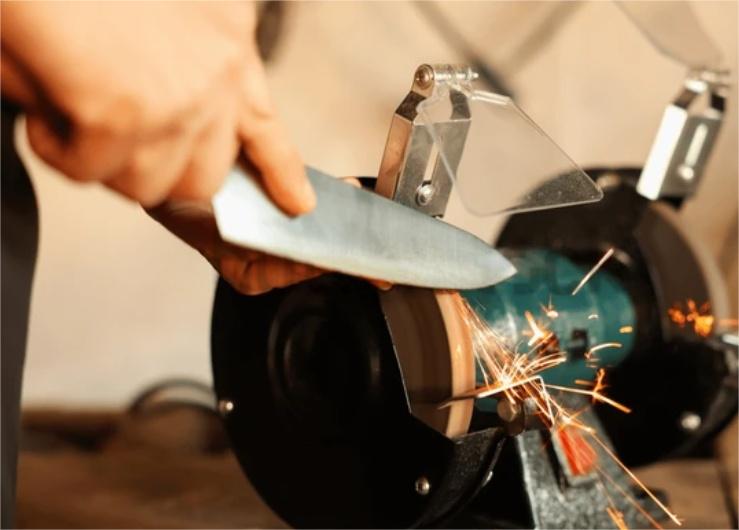
Sobald Sie Kandidaten nach Kategorie identifiziert haben, verwenden Sie zur Bewertung und Vorauswahl die folgenden Kriterien.
OEM vs. ODM vs. Großhandel – Klären Sie zuerst Ihr Modell
- OEM (Original Equipment Manufacturing): Sie liefern die Designspezifikationen; die Fabrik fertigt nach Ihren Vorgaben. Am besten geeignet für Marken, die ihr Produkt definiert haben. Minimale Anpassung: Logo, Griffmaterial, Verpackung. Volle Anpassung: Klingengeometrie, Stahlgüte, Wärmebehandlungsspezifikation, Griffdesign.
- ODM (Original Design Manufacturing): Die Fabrik bietet bestehende Designs, die Sie branden und verkaufen können. Schneller auf dem Markt, geringere Entwicklungskosten, aber weniger Differenzierung. Häufig für Käufer, die in eine neue Kategorie einsteigen.
- Großhandel (Lagerprodukte): Fertige, katalogisierte Produkte im Großhandel kaufen. Niedrigste Einstiegshürde, keine Entwicklungszeit, aber keine Exklusivität.
Die meisten etablierten chinesischen Messermanufakturen bieten alle drei Modelle an. Definieren Sie Ihres, bevor Sie sich an eine Fabrik wenden – dies beeinflusst die Gesprächsführung, die Preisgestaltung, die Lieferzeit und das Interesse der Fabrik, mit Ihnen zusammenzuarbeiten.
Wesentliche Bewertungskriterien
Qualitätsebene und Stahldurchsichtigkeit
Fragen Sie nach der genauen Güte und fordern Sie Mill-Zertifikate an. Eine seriöse Fabrik wird dies ohne zu zögern zur Verfügung stellen. “Edelstahl” oder “hochgekohlter Stahl” ohne Angabe der Güte ist ein Warnsignal. Standardgüten und was sie bedeuten:
- 3Cr13 / 5Cr15MoV: Budget bis mittleres Segment; gut für Einsteigerküchen oder Werbemesser
- 7Cr17MoV / AUS-8 Mittelklasse; für den breiten Einzelhandel akzeptabel
- AUS-10 / VG-10 / D2: Oberes Mittelsegment; geeignet für positionierte Marken
- S35VN / M390 / 20CV: Premium; erforderlich für ernsthafte EDC/taktische Marken
Zertifizierungen
Zertifizierungen auf Ihre Zielmärkte abstimmen:
- ISO 9001 — Basis-Qualitätsmanagement; sollte Standard für jede ernsthafte Fabrik sein
- BSCI — Sozialkonformitätsprüfung; von vielen europäischen Einzelhändlern und Importeuren gefordert
- FDA — Lebensmittelsicherheit für Küchenmesser auf dem US-Markt
- LFGB — strengerer EU/deutscher Lebensmittelsicherheitsstandard; für viele Käufer von Küchenmessern in der EU erforderlich
- EG CE-Kennzeichnung
Fordern Sie immer Originalzertifikate mit Ausstellungsdatum an und überprüfen Sie deren Gültigkeit. Mehrere Jahre alte und nicht erneuere Zertifikate sind ein Warnsignal.
Mindestbestellmenge und Flexibilität
Die Mindestbestellmengen (MOQs) für Erstausrüster (OEM) in Yangjiang beginnen typischerweise bei 100–500 Stück pro SKU für Küchenmesser und 50–200 Stück für EDC. Bei Premium- oder stark kundenspezifischen Produkten können 200–500 Stück erforderlich sein, um Werkzeugkosten zu rechtfertigen.
Wenn die vom Werk angegebene Mindestbestellmenge (MOQ) Ihr Volumen weit übersteigt, erkundigen Sie sich nach vorhandenen Werkzeugen – die Verwendung einer bestehenden Form senkt die Schwelle dramatisch.
Vorlaufzeit
Die Standardproduktionszeit beträgt 30–60 Tage nach Musterfreigabe und Anzahlung. Eilaufträge (15–25 Tage) sind gegen Aufpreis möglich. Berücksichtigen Sie die Versandzeit: Seefracht von Yangjiang/Guangzhou zur US-Ostküste dauert ca. 25–35 Tage; nach Europa 20–28 Tage.
Fabrikaudit-Fähigkeit
Jede ernsthafte B2B-Beziehung sollte eine Werksprüfung beinhalten – entweder persönlich, über einen Beschaffungsagenten oder durch eine unabhängige Prüfgesellschaft (SGS, Bureau Veritas, Intertek sind die wichtigsten). Fabriken, die Prüfungen ablehnen oder nur virtuelle Touren ohne Erklärung anbieten, sollten zurückgestellt werden.
Warnsignale, auf die Sie achten sollten
- Unklare Materialangaben für Stahl — “Edelstahl,”hochkohlenstoffhaltig“, keine Güte angegeben
- Keine Zertifizierungen oder abgelaufene Zertifikate — insbesondere für Küchenmesser, die mit Lebensmitteln in Kontakt kommen
- Unrealistisch niedrige Preise — weit unter Marktwert FOB für den genannten Stahl/Bauwesen
- Zurückhaltung bei der Bereitstellung von Mustern vor einer Großbestellung
- Keine physische Fabrikadresse oder nachprüfbare Geschäftsanmeldung
- Langsame oder inkonsistente Kommunikation – ein Hinweis auf operative Probleme im großen Maßstab
Warum B2B-Käufer LeeKnives als ihren chinesischen Messerpartner wählen
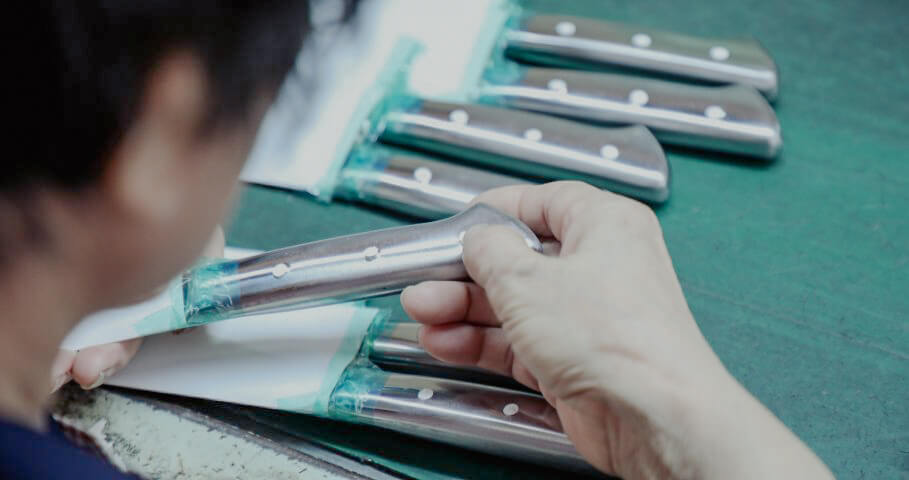
LeeKnives ist ein Messer aus Yangjiang OEM Und Großhändler für Importeure, Eigenmarkenhersteller und Einzelhändler in den USA, Europa und im asiatisch-pazifischen Raum.
Unsere Position innerhalb des Fertigungsclusters von Yangjiang verschafft unseren Kunden direkten Zugang zu den Liefervorteilen, die die Messerherstellung in China weltweit wettbewerbsfähig machen – und das ohne Beschaffungsrisiko.
Was wir Geschäftskunden anbieten:
- Vollumfängliche OEM- und ODM-Dienstleistungen: Küchenmesser, Outdoor- und Jagdmesser, Klapp-/EDC-Messer — über Einsteiger-, Mittel- und Premium-Qualitätsstufen
- Eigenmarke und kundenspezifische Verpackungen: Verkaufsfertiges Verpackungsdesign, Lasergravur des Logos, individuelle Griffmaterialien
- Niedrige MOQ mit schneller Abwicklung: Zugängliche Mindestbestellmengen mit standardmäßigen 30-tägigen Lieferzeiten
- Qualitätskonformität Zertifizierungen verfügbar je nach Marktanforderung (FDA, LFGB, ISO, BSCI)
- Transparente Materialbeschaffung Volle Dokumentation und Rückverfolgbarkeit der Stahlgüte auf Anfrage
- Dediziertes Account-Management: Ein zentraler Ansprechpartner von der Probenahme bis zur Auslieferung
Ob Sie eine neue Messermarke auf den Markt bringen, Ihre bestehende Produktlinie erweitern oder einen zuverlässigen Großhandelspartner suchen, um einen leistungsschwachen Lieferanten zu ersetzen, wir sind darauf ausgelegt, ernsthafte B2B-Käufer zu unterstützen.
Kostenloses Angebot einholen oder Muster anfordern
Bringen Sie Ihre individuelle Messerlinie schneller auf den Markt mit LeeKnives
Umfassender OEM/ODM-Support – vom Entwurf bis zur endgültigen Lieferung –, damit Sie sich auf Ihr Wachstum konzentrieren können.
Unterstützt durch Lager in den USA für eine schnelle und zuverlässige Lieferung.
Fazit: Die richtige Fabrik für Ihr Unternehmen auswählen
Chinas Messerherstellungsindustrie bietet unübertroffene Skalierbarkeit, Vielfalt und OEM-Flexibilität – aber nur, wenn Sie von der richtigen Stufe beziehen. Mit 51% der globalen Messer-Exporte und fast 3 Milliarden jährlich produzierten Einheiten ist die Chance real. Ebenso real ist das Risiko, die falsche Fabrik zu wählen.
Die Entscheidung läuft auf ein Prinzip hinaus: Herstellerauswahl ist eine Übereinstimmungsübung, keine Rangordnungsübung.
- Küchen Eigenmarke Priorisieren Sie die Einhaltung von FDA/LFGB und die Transparenz von Stahl. Beginnen Sie mit LeeKnives.
- EDC und Klappmesser Passen Sie Ihren Preisrahmen an die jeweilige Stufe an. WE Knife und Reate für Premium; CIVIVI, Bestech oder QSP für Mittelklasse und preiswert.
- Outdoor und taktisch → Überprüfen Sie die Rechtmäßigkeit von Klingen in Ihren Zielmärkten vor der Produktion.
- Premium-kundenspezifische OEM → Budget für längere Vorlaufzeiten. BILIKNIFE und Reate liefern Ergebnisse, die die Investition rechtfertigen, zu$150– $300+ im Einzelhandel.
Erstellen Sie eine engere Auswahl von drei bis fünf Herstellern, fordern Sie Muster an und inspizieren Sie diese, bevor Sie eine Verpflichtung eingehen. Ein gut gewählter chinesischer Fertigungspartner ist nicht nur ein Kostenvorteil – er ist ein langfristiger Wettbewerbsvorteil.
Häufig gestellte Fragen
Was sind die besten chinesischen Messermarken?
China hat eine breite Palette von Messerschmieden, die die Marktsegmente Budget, Mittelklasse und Premium abdecken. Zu den bekanntesten Marken bei Profis und Sammlern gehören WE Knife (einschließlich CIVIVI und SENCUT), Kizer, Reate, Artisan Cutlery und QSP für Klappmesser sowie Shibazi und Dengjia für Küchenmesser.
Im Premiumsegment werden Hersteller wie WE Knife und Reate von der globalen Messer-Community für ihre Präzisionsbearbeitung und hochwertigen Materialien hoch geschätzt, während Marken wie QSP und CJRB auf eine wertorientierte Produktion für den Einzelhandels- und E-Commerce-Markt setzen.
Gute Messer aus China?
Ja – Messer aus chinesischer Herstellung reichen von Einsteiger-Gebrauchsmessern bis hin zu hochwertigen Präzisionswerkzeugen, die von globalen Marken verwendet werden.
Moderne chinesische Hersteller produzieren Messer, die in puncto Bearbeitungsqualität, Material und Toleranzen direkt mit US-amerikanischen und europäischen Herstellern konkurrieren. Der Schlüssel liegt darin, die richtige Fabrikstufe zu wählen und Spezifikationen wie Stahlgüte und Wärmebehandlung zu überprüfen.
Marken wie WE Knife, Kizer und Reate werden in der globalen Messergemeinschaft hoch geschätzt, während Unternehmen wie QSP und Petrified Fish sich auf erschwingliche Alltagsmesser mit einem guten Preis-Leistungs-Verhältnis konzentrieren.
Wie überprüfe ich, ob ein chinesischer Messersteller seriös ist?
Überprüfen Sie die Handelsregistereintragung (Sie können dies im National Enterprise Credit Information Publicity System Chinas überprüfen), fordern Sie ISO- oder BSCI-Zertifikatdokumente mit überprüfbaren Zertifikatsnummern an, bestellen Sie Muster vor jeder Produktionsverpflichtung und beauftragen Sie eine unabhängige Inspektion vor dem Versand für Ihre erste Bestellung.
Wie lange dauert die OEM-Sonderanfertigung bei einem chinesischen Messerhersteller?
Musterentwicklung: 2–4 Wochen. Produktionsvorlaufzeit nach Musterfreigabe und Anzahlung: 30–60 Tage. Vorversandinspektion: 1–2 Tage. Seefracht an die Westküste der USA: ca. 20–25 Tage; Ostküste der USA: 30–35 Tage; Europa: 20–28 Tage. Gesamtzeitrahmen vom ersten Kontakt bis zur Ankunft der Ware in Ihrem Lager: typischerweise 10–14 Wochen für eine erste OEM-Bestellung.




 DE
DE  EN
EN  JA
JA