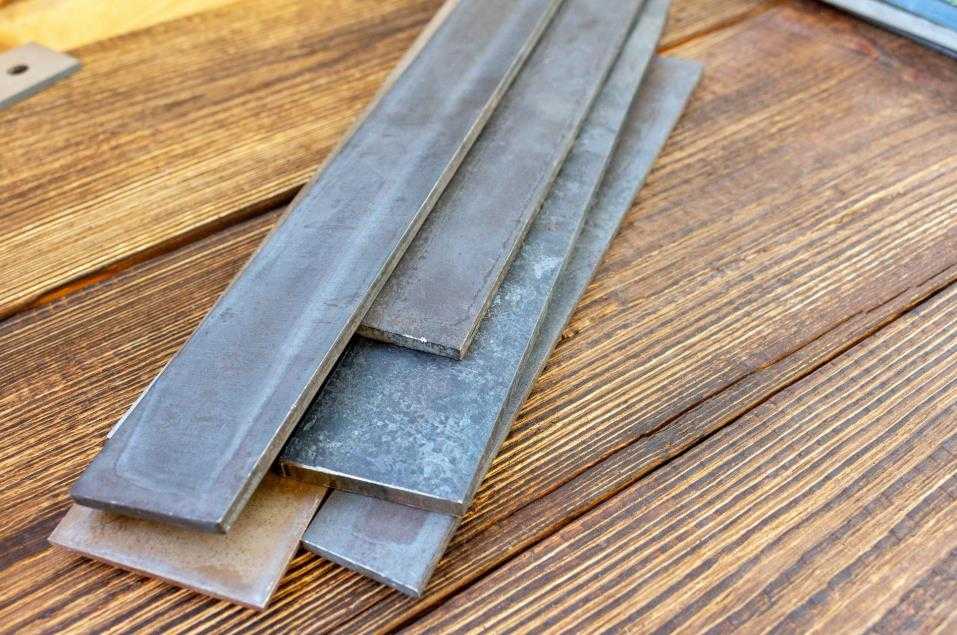
420J2は、低炭素・高クロムステンレス鋼で、硬度は低めです。このやや柔らかい鋼の主な用途は、低価格のナイフ、外科用器具、ヘアカット用ハサミなどの汎用器具です。
420J2鋼製のナイフは、耐食性と靭性を求めるユーザーにとって魅力的です。しかし、他の鋼と同様に、この優れた特性は他の特性に影響を与えます。
この記事では、420J2鋼の組成、特性、そして一般的な特徴について解説し、類似鋼や競合する高級鋼と比較します。最後までお読みいただくことで、この鋼で作られた刃物が販売に適した製品であるかどうかがお分かりいただけるでしょう。
寸評:420J2鋼はナイフに適しているか?
420J2は安価なマルテンサイト系ステンレス鋼(JIS SUS420J2) で知られる。 極めて高い耐食性 そして 高靭性, しかし、硬度は比較的低い(通常52~55HRC)。.
- 最適な用途: ダイビングナイフ、外科用メス、ライナーロック、高炭素コアのクラッド材として(サン・マイ)。.
- 長所: 錆びにくく、研ぎやすく、欠けにくい。.
- 短所: 440CやVG10に比べて刃持ちが悪く、重切削に使用する場合は頻繁にホーニングが必要。.
- 小売業者にとっての結論: エントリーレベルのEDCや、切れ味の持続よりも錆び防止が重要なソルトウォーター・ツールに最適です。.
420J2鋼の組成
- 炭素: 0.15~0.36%:硬度、耐摩耗性、強度の向上
- クロム: 12~14%:耐食性、靭性、硬度が大幅に向上
- ニッケルだ: 1%:高温での強度、靭性、耐食性を向上。
- シリコンだ: 1%:鋼中の不純物を除去し、焼入れ性を高める。
- マンガンだ: 1%:強度を高め、もろさを減少させる。
多くの情報源によると、420J2鋼の炭素含有量は0.32%です。これは上記の範囲内ですが、すべての420J2鋼に0.32%の炭素が含まれているわけではありません。 0.15~0.36%の範囲.
さらに、420J2鋼は他の多くの鋼種と同様に、0.04%未満の微量のリンと硫黄を含んでいます。これらは合金元素ではなく不純物であり、このような微量であれば加工性を向上させることができます。
420J2ステンレス鋼の特性
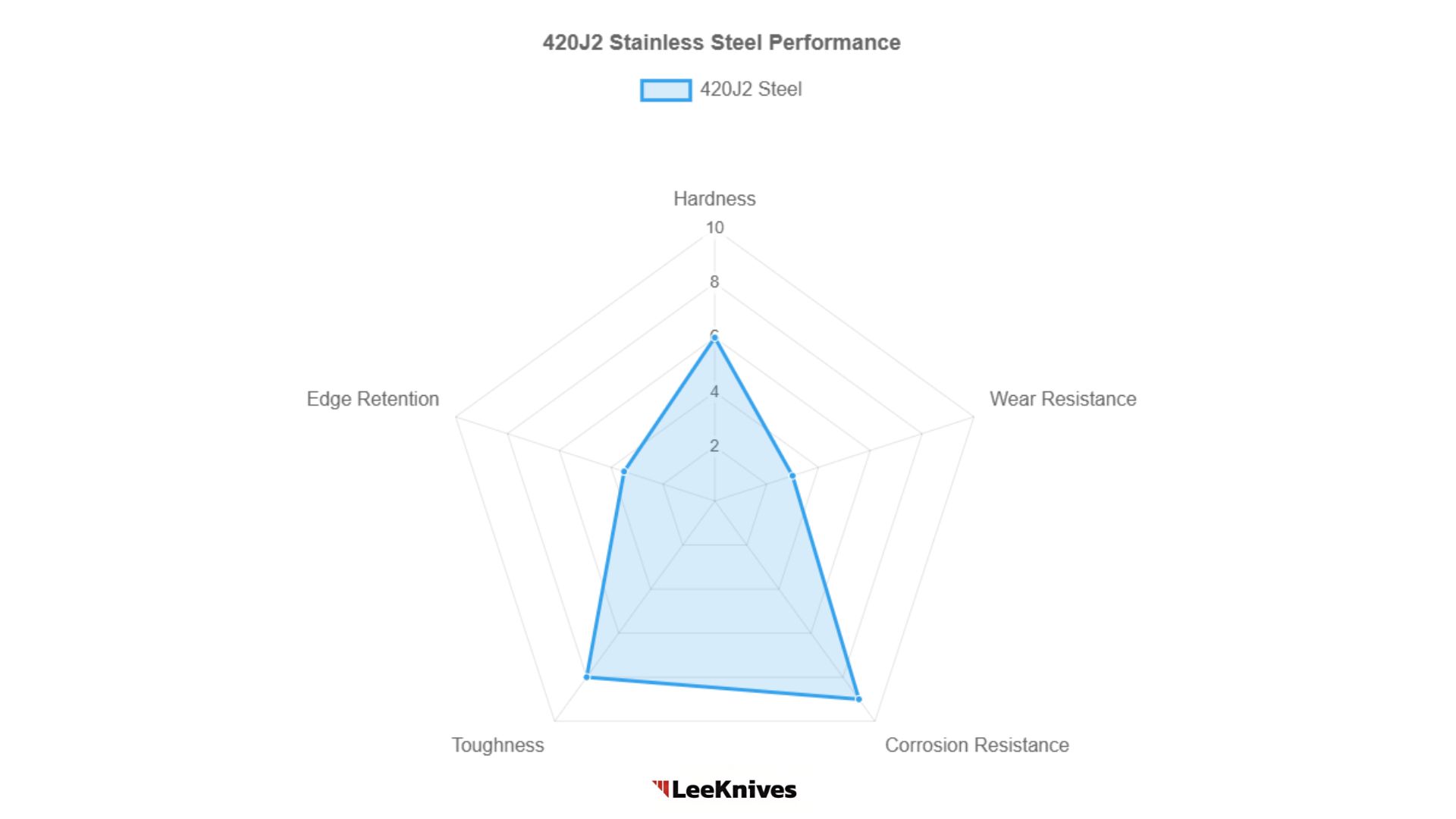
ここでは、420J2 鋼の化学組成がその特性にどのように反映されるかを、最も重要な側面を中心に説明します。
硬度
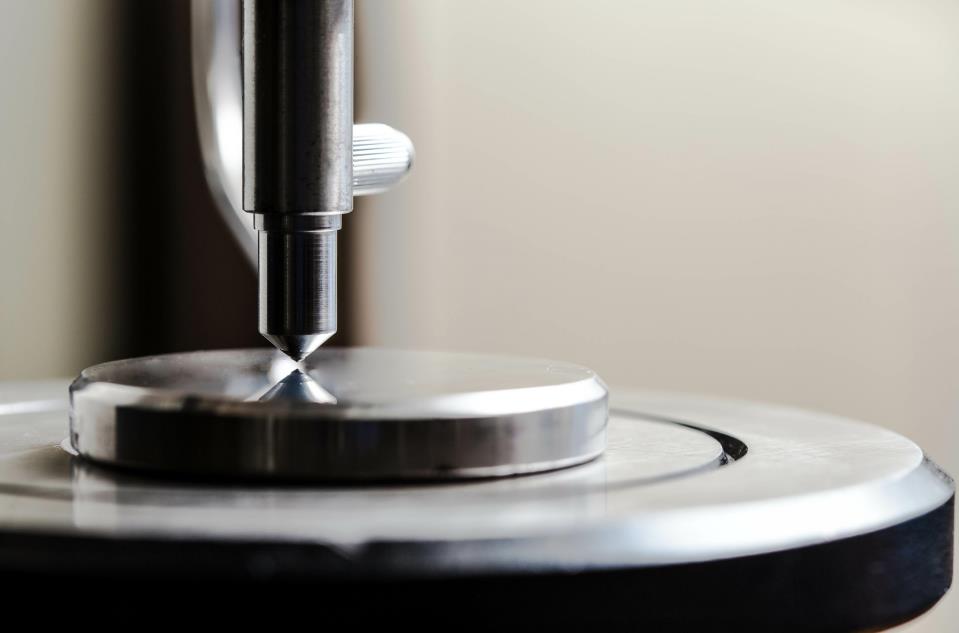
平均 硬度評価 420J2鋼のHRcは54です。ただし、熱処理によって若干変化する場合があります。420J2と同程度の炭素含有量の鋼の多くは、それよりもかなり軟らかいため、この数値は印象的です。
420J2鋼は特に硬いわけではありませんが、中程度の性能に必要な硬度を備えています。ほとんどの場合、十分な硬さがあり、用途によっては好ましい刃の硬さです。衝撃にも強い頑丈なナイフを求めるユーザーにとって、420J2鋼の硬度は大きなメリットとなります。ただし、好みによっては、この硬度が物足りないと感じる人もいるかもしれません。
卸売ナイフを購入して、今すぐ私たちと一緒にスケールアップを始めましょう
弊社にお問い合わせいただき、営業担当者と連絡を取り、無料の見積もりを入手してください。
耐摩耗性
耐摩耗性とは、鋼材が摩耗や損傷に耐える能力を指します。420J2鋼は、過酷な使用条件では耐摩耗性が低下します。420J2鋼の耐摩耗性は、炭素含有量の低さによって低下します。
この耐摩耗性の低さは、一般的なナイフユーザーにとっていくつかの問題を意味します。まず第一に、刃には避けられない傷が付きます。使用していくうちに、これらの傷はかなり深く、散らばるようになります。これは見た目の問題に過ぎませんが、多くのユーザーは研ぐ際に刃を磨くことを選択します。これが次の点につながります。
420J2鋼の耐摩耗性が低いことは、必ずしも悪いことではありません。摩耗にそれほど強くない分、研ぎやすいのです。標準的な(そして安価な)研磨器具を使っても、420J2鋼のナイフを鋭い切れ味にするのはそれほど手間がかかりません。粗目の砥石で数回研ぐだけで、数分で鋭い切れ味を取り戻すことができます。
耐食性
420J2鋼の最大の強みは、おそらく耐食性でしょう。炭素含有量が少なく、クロム含有量が最大14%と高いため、420J2は過酷な条件下でも酸化しない刃を実現します。水だけでなく、酸やアンモニアにも錆びにくいのが特徴です。
このような極限環境下でも耐腐食性を持つため、メーカーはこうした状況を考慮した製品を開発することが可能です。例えば、高品質なダイビングナイフを販売するなど、店舗オーナーにとって適切な顧客層への訴求力を高めることにもつながります。
この特性だけでも、420J2鋼は人気を博しています。耐食性が特に求められる用途において、非常に満足のいく刃物を生み出すことができます。
強靭さ
この硬度の類似鋼と同様に、420J2鋼は優れた靭性を備えています。衝撃を受けても損傷、欠け、破損する可能性は低いです。この耐久性により、この鋼は過酷な用途に最適です。激しい薪割りから木材の皮剥ぎまで、420J2鋼の靭性は多くの過酷な作業に耐えます。耐摩耗性が低いため傷が付く場合がありますが、耐久性には影響しません。
また、420J2 鋼は引張強度に優れているため、刃が曲がっても大きな問題にはなりません。
エッジ保持
これらすべてを踏まえると、刃持ちの良さが浮かび上がります。これは、ほとんどのユーザーにとってナイフ鋼材において最も重要な特性です。残念ながら、420J2鋼の刃持ちの良さは、耐腐食性や靭性ほど優れていません。耐摩耗性が低く、鋼材の硬度もそれほど高くないため、刃持ちの良いナイフは実現できません。
420J2鋼のナイフを手に取って何時間も使用すると、1時間ごとに切れ味が著しく低下することを覚悟してください。硬度が低く耐摩耗性が低いため、刃持ちも悪くなります。
とはいえ、切れ味がすぐに落ちてしまうという欠点があるにもかかわらず、420J2鋼は研ぎやすいという利点があります。このトレードオフは、刃持ちが自分の用途には物足りないと感じる購入者にとって、購入を再検討するきっかけとなるかもしれません。
製造に関する専門家の見解:420J2の熱処理
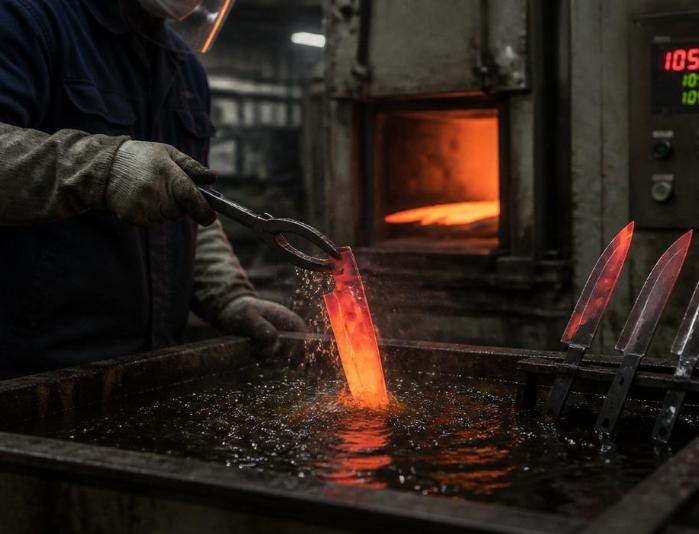
420J2鋼のポテンシャルを最大限に引き出すには、正確な熱処理は譲れません。420J2鋼は安価な合金ですが、専門的な製造工程を経ることで、その性能と耐久性を大幅に向上させることができます。.
標準熱処理プロトコル
- オーステナイト化/焼入れ: の温度範囲に加熱される。 1750°F~1900°F (950°C~1040°C). .その後、炭素の均一な分布を確保するために、この温度で保持される。 油焼き入れ.
- 焼き戻し: 焼き入れ後、鋼は以下の間で焼き戻される。 300°Fおよび400°F(150°C~200°C). .この段階は、内部応力を緩和し、硬度を安定させるために重要である。.
業績結果
- 最適な硬さ: 適切に処理された420J2は通常、次のようなレベルに達する。 54-56 HRC. .このレベルは、鋼の特徴である高い靭性を維持しながら、日常的な切断に十分な強度を提供します。.
- メーカーのヒント: こんな用途に ダイビングナイフ または マルチツール, 耐衝撃性を最大化し、ブレードの柔軟性を確保するため、焼戻し硬度はやや低め(約53~54HRC)に設定することをお勧めします。.
420J2鋼の一般的な用途
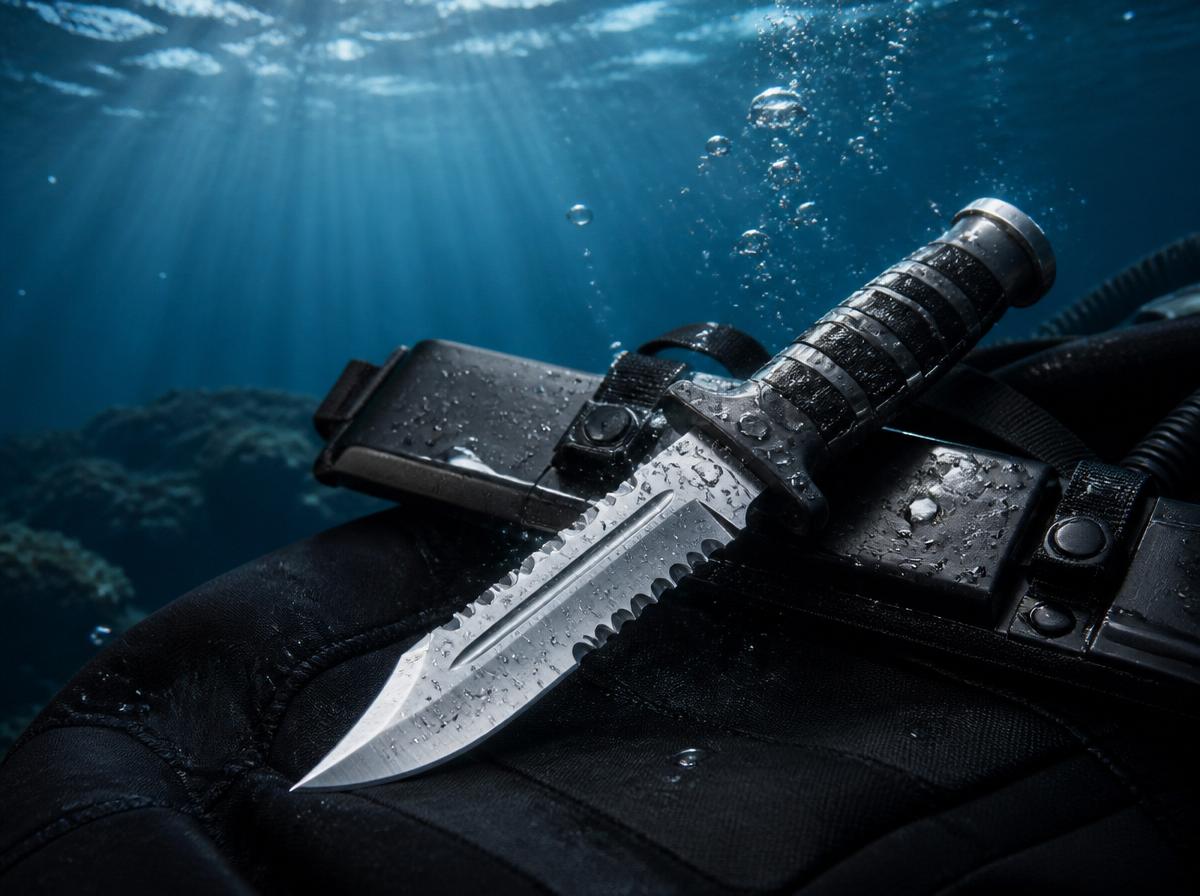
420J2は、極めて高い耐錆性と高い衝撃靭性を併せ持つことから、特定の過酷な環境における業界標準となっています:
- ダイビング&ソルトウォーター・ナイフ 塩分、酸、化学薬品による腐食に強いため、高級鋼でも錆びる可能性のある水中工具の最良の選択となる。.
- 外科・医療器具 420J2は、鏡面仕上げに研磨でき、滅菌が容易で、使い捨てや回転率の高い医療用具として費用対効果が高いため、メスや鉗子に広く使用されている。.
- マルチツールライナー&ロックバー: 折りたたみナイフの製造において、420J2はライナーやフレームなどの内部部品によく使用されるが、これは高級合金のような高いコストをかけずに構造的な完全性を確保できるためである。.
- エントリーレベルのEDC&トレーニングナイフ: 予算重視の場合 ポケットナイフ 420J2は、安全で耐久性に優れ、メンテナンスも簡単な初心者向けのオプションです。.
クラッド材としての420J2(三舞建設)
420J2は “格安 ”鋼に分類されることが多いが、高級カトラリーでは以下のような重要な役割を担っている。 クラッド材. .日本の伝統的な “三枚刃 ”や積層刃物では、硬い芯(たとえば VG10 または SG2)が420J2の2つの外層に挟まれている。.
この構造では、420J2は2つの重要な利点をもたらす保護「ジャケット」として機能する:
- 防錆: ハイカーボンの芯を酸化から守り、ナイフの手入れをより簡単にする。.
- 構造の柔軟性: 420J2の高い靭性は、硬いコアの脆さを補い、ブレードがストレスで折れたり割れたりするのを防ぎます。.
ナイフブランドや小売業者にとって、420J2クラッドブレードを提供することは、高級鋼の極めて鋭い切れ味と、ステンレス鋼の耐久性と低メンテナンスを両立させる賢い方法である。.
420J2と他の鋼
420J2 鋼と他の鋼との比較を簡単に説明します。
| 鋼鉄 | エッジ保持 | 耐摩耗性 | 耐食性 | 強靭さ | 硬度(HRC) | コスト・レベル | ベスト・ユースケース |
|---|---|---|---|---|---|---|---|
| 420J2 | ⭐ | ⭐ | ⭐⭐⭐⭐⭐ | ⭐⭐⭐⭐ | ~54 | $ | ダイビングナイフ、手術用具、錆が重要な環境 |
| 3Cr13 | ⭐ | ⭐ | ⭐⭐⭐⭐⭐ | ⭐⭐⭐⭐ | ~54 | $ | バジェット・ナイフ、エントリーレベルEDC |
| 440A | ⭐⭐⭐ | ⭐⭐⭐ | ⭐⭐⭐⭐ | ⭐⭐⭐ | ~55-57 | $$ | 一般的なEDC、ハンティング・ナイフ、格安パフォーマンス・ナイフ |
| 5Cr15MoV | ⭐⭐⭐⭐ | ⭐⭐⭐ | ⭐⭐⭐⭐ | ⭐⭐⭐⭐ | ~55-57 | $$ | キッチンナイフ、より優れたオールラウンドな格安ステンレス刃物 |
| 420HC | ⭐⭐⭐⭐ | ⭐⭐⭐⭐ | ⭐⭐⭐⭐ | ⭐⭐⭐ | ~56-59 | $$$ | EDCナイフ、ハンティングナイフ、デイリーユーティリティナイフ |
420J2 vs. 3Cr13鋼
3Cr13は420J2鋼に最も近い代替鋼である。どちらの鋼も炭素とクロムの含有量はほぼ同じで、ケイ素とマンガンの量も同じである。化学組成の顕著な違いは以下の通りである。 3Cr13鋼 0.60%では420J2鋼よりもニッケル含有量が少ない。
両者の違いはわずかで、特性の成果も同様にわずかです。両者の間には明確な違いはありませんが、価格が異なる場合があります。3Cr13鋼は420J2鋼よりも手頃な価格になる傾向があります。総合的に見て、究極の低価格ナイフを販売する予定であれば、420J2鋼よりも3Cr13鋼の方が適しているかもしれません。
420J2と440A鋼
440A は、420J2鋼よりもエッジ保持力と耐摩耗性に優れ、耐食性は同等です。420J2の方が耐食性は優れていますが、それは極端な話です。顧客がナイフ全体を原油に浸し、それで物を切り倒すことを計画していない限り、その差は目立たないだろう。しかし、420J2の方が長持ちするダイビング・ナイフができる。.
これら以外の点では、440A鋼の方が同価格帯のナイフで優れた性能を発揮する。.
420J2 vs. 5Cr15MoV鋼
5Cr15MoV は、同様の耐腐食性と靭性を備えたより優れた鋼を求める人にとって、420J2 の最良の代替品です。 5Cr15MoV鋼 包丁愛好家の間では広く認知されており、多くの有名ブランドが刃物の製造に使用しています。
5Cr15MoVはX50CrMoV15の中国版で、420J2よりもはるかに優れた性能を発揮します。強度と耐腐食性は同等で、刃持ちと耐摩耗性はさらに優れています。そのため、420J2鋼よりも優れた品質の製品を求める店舗にとって、5Cr15MoVはより良い選択肢となります。
420J2と420HCの比較
420HC は、シャープな切れ味をより長く維持する高炭素アップグレードです。より高い硬度(56-59HRC)により、420HCは日常的な切削に優れた刃持ちを提供します。対照的に、420J2ははるかに柔らかく、頻繁に研ぐ必要があるため、重作業にはあまり適していません。.
しかし、極端な耐錆性では420J2が勝る。420HCは海水中でも腐食がほとんどない。一般的なEDCやハンティング・ナイフには420HCが適しているが、ダイビング・ナイフ、外科用メス、ライナーなど、錆び防止が最優先される場合は420J2が優れている。.
卸売ナイフを購入して、今すぐ私たちと一緒にスケールアップを始めましょう
弊社にお問い合わせいただき、営業担当者と連絡を取り、無料の見積もりを入手してください。
420J2コスト分析とグローバル・サプライチェーン
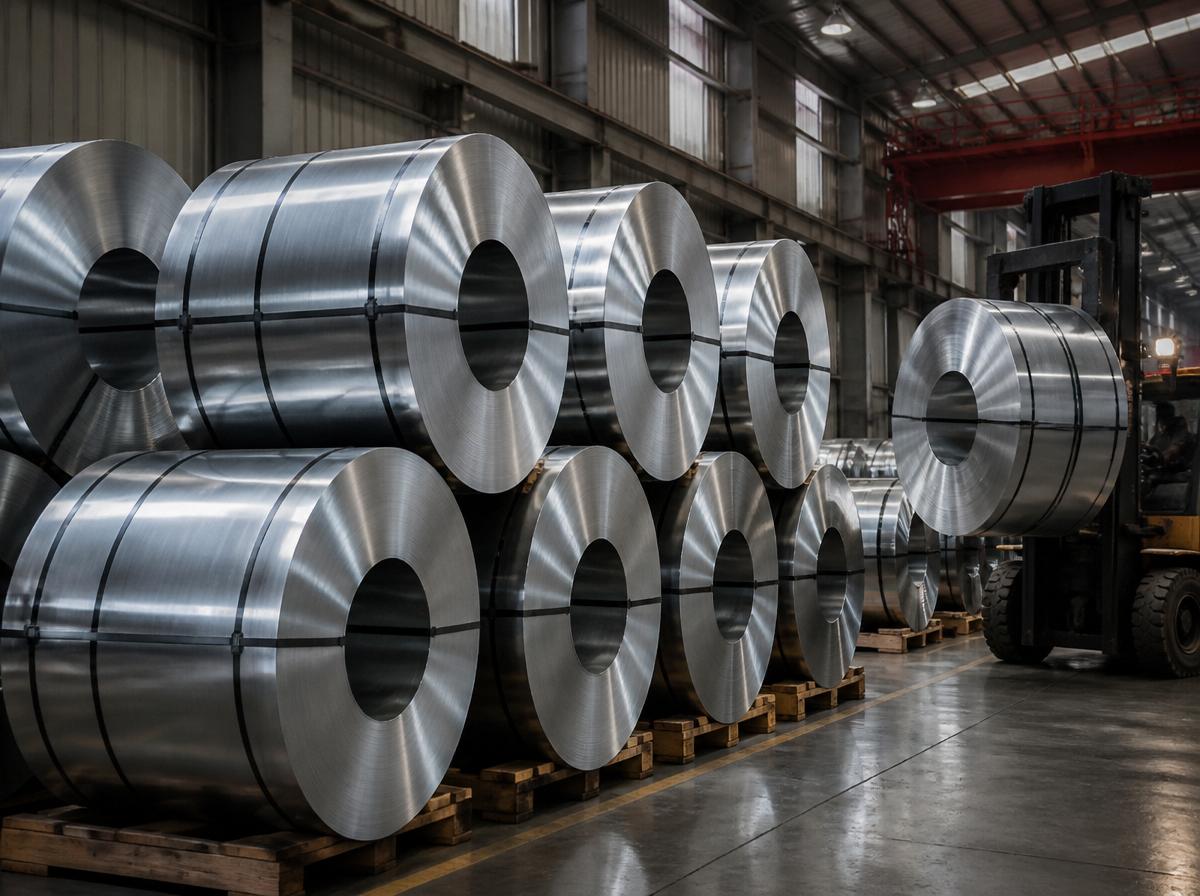
製品ラインの最適化を目指す企業にとって、420J2 のコスト構造と調達可能性を理解することは不可欠である。大量生産される工業用鋼である420J2 の価格は、プレミアム粉末冶金鋼と比較して非常に競争力があります。.
現在の市場価格(2024~2026年予測)
主要な鉄鋼ハブ(主に中国と日本)の現在の工業データに基づくと、420J2は依然として最もコスト効率の高いものの1つである。 ステンレス鋼 利用できる:
- 卸売原料: 420J2熱間圧延または冷間圧延コイルの平均価格は、通常、以下の間です。 US$1,200および$2,500/トン, 仕上がりと厚みによる。.
- 1台あたりのコスト: 製造の場合、1キログラムあたりの材料費はおよそ次のようになる。 US $1.50~$3.00. .この低い参入価格によって、大きな利益率で大量に販売できる低価格帯のナイフの生産が可能になる。.
- 生産効率: 420J2は「機械加工性」に優れている。焼きなまし状態での硬度は比較的低く、工場の研削ベルトやCNC工具の摩耗を低減し、製造の「隠れた」コストをさらに下げる。.
アリババの卸売指数、メイド・イン・チャイナのサプライヤー相場、2025-2026年の世界鉄鋼市場予測から作成したデータ。.
グローバル・サプライチェーンの洞察
- 一次調達拠点: 中国は現在、420J2(中国のGB規格では3Cr13と呼ばれることが多い)の世界有数の輸出国である。日本原産の420J2 (JIS規格) は、その一貫性が高く評価されていますが、中国メーカーは、大規模な卸売注文に対して最も競争力のある価格を提供しています。.
- 空室状況 供給は極めて安定している。高級鋼(例えば マグナカット または M390) which often face allocation shortages, 420J2 is produced in massive quantities globally, ensuring a reliable supply chain for year-round production.
- 輸出動向: 2026年以降、主要産地では新たな輸出許可制 度により、鋼材の流通がより厳しく規制される予 定である。しかし、420J2は工業用標準鋼種であるため、 300シリーズのようなニッケルを多く含むステンレ ス鋼に見られる価格変動の影響を受けにくい。.
結論ナイフの素材としての420J2鋼はどうなのか?
多くの人が期待していたほど良くはありません。420J2鋼は靭性と耐腐食性では優れているものの、硬度と刃持ちの悪さは、同クラスの低価格鋼と比べても遜色ありません。
420J2鋼で作られたキッチンナイフはほとんど見かけません。主にEDCナイフ、外科用器具、その他メンテナンスがほとんど不要な刃物に使用されます。
しかし、エンドユーザーの要求次第では「まあまあ」のナイフになり得ます。420J2鋼製の包丁を販売しているブランド、Kamikotoは、私たちが知る限り、この鋼を刃物に使用している唯一の企業です。
420J2鋼のナイフを販売すべきでしょうか?
結論として、420J2鋼は耐食性と耐久性が求められるナイフに適した鋼材です。しかし、刃持ちと耐摩耗性の低さが、これらの特性を全体的に低下させています。
このナイフ鋼は、キッチンカトラリーよりもEDCナイフやポケットナイフに適しています。420J2鋼製のキッチンナイフは、念入りな研ぎと頻繁な研ぎが必要です。キッチンナイフを主に販売している場合は、この点をご検討ください。
LeeKnivesは 包丁 そして まな板 幅広い品質であらゆるレベルやニーズのユーザーにアピールする製品を取り揃えています。カタログをご覧ください。 今すぐ無料見積もりをリクエスト 製品を卸売りで調達する。
LeeKnivesでカスタムナイフラインをより早く立ち上げましょう
設計から最終出荷まで、OEM/ODM の完全なサポートにより、成長に集中できます。
米国の倉庫に保管されているため、迅速で信頼性の高い配送が可能です。
よくある質問
420J1と420J2ステンレス鋼の違いは何ですか?
主な違いは 炭素含有量. .420J1は、420J2(最大0.36%)よりも炭素含有量が少ない(約0.15%)。このため、420J1は柔らかく耐食性に優れていますが、高品質のナイフの刃には十分な硬化ができません。420J2は硬度と刃持ちのバランスが良いため、刃物の業界標準となっています。.
420J2とVG-10の違いは何ですか?
この2つの鋼は、性能スペクトルの対極にある。. VG-10は高級 “スーパースチール” ハイカーボンとバナジウムを使用し、プロ用包丁の切れ味と刃持ちを極限まで高めるよう設計されている。. 420J2は格安鋼である。 錆びにくさと靭性が優先される。高級包丁では、この二つが併用されることが多い:420J2は外側の保護クラッドとして、VG-10は硬い切削芯として。.
420J2は日本鋼?
本来はそうだ。J2」とは 日本工業規格(JIS) SUS420J2. .この鋼は現在世界的に製造されているが(特に中国では3Cr13として)、技術仕様と命名規則は日本の冶金標準に由来する。.
420J2ステンレス鋼に磁石はくっつきますか?
そうだ。. 420J2はマルテンサイト系ステンレス鋼であり、その結晶構造は以下の通りです。 天然磁性体. .これは、一般的に非磁性であるオーステナイト系ステンレス鋼(キッチンシンクに使用される304や316など)とは異なる。.
420J2と8Cr13MoVとの比較は?
8Cr13MoVの方が切削性が良い。. より多くのカーボンとモリブデンを含み、420J2よりも切れ味を長く保つことができる。しかし、420J2はより錆に強く、靭性が高い(欠けにくい)ため、8Cr13MoVが腐食に苦しむ可能性のあるダイビングや海水環境には適している。.




 JA
JA  EN
EN  DE
DE