Among Japanese stainless steels, AUS-10 and VG-10 stand out as popular choices for mid-to-high-end blades. VG-10 from Takefu Special Steel has long dominated the premium kitchen knife market. AUS-10 from Aichi Steel delivers comparable performance at a more accessible price.
VG-10 is widely recognized for its excellent edge retention and corrosion resistance, making it ideal for professional cutlery. AUS-10 provides better toughness and easier sharpening for budget-conscious markets.
Wondering which steel is the better fit for your specific knife product line and target customers? Read on to compare AUS-10 vs VG-10 in composition, performance, and overall business value.
Key takeaways: AUS-10 vs VG-10 at a glance
- Steel Origins: VG-10 (Takefu Steel) vs. AUS-10 (Aichi Steel)—both represent premium “Made in Japan” quality.
- Performance Trade-off: VG-10 (60-62 HRC) offers superior edge retention; AUS-10 (58-60 HRC) delivers higher toughness and chip resistance.
- Korrosionsbeständigkeit: VG-10 (15% Cr) is slightly more resilient in humid/acidic environments than AUS-10 (13.5-14.5% Cr).
- Best Application: VG-10 for professional precision cutlery; AUS-10 for EDC, tactical, and mid-market kitchen knives.
- Wartung: AUS-10 is user-friendly and easy to sharpen; VG-10 is performance-oriented and requires premium diamond abrasives.
- Manufacturing Cost: AUS-10 Ist 20-30% more cost-effective to source and process, ideal for high-volume product lines.
Understanding AUS-10 steel
AUS-10 is a high-carbon stainless steel developed by Aichi Steel in Japan. It sits at the top of the AUS series, which also includes the more commonly known AUS-6 Und AUS-8 grades. The steel was designed to offer a middle-ground solution between entry-level rostfreie Stähle and premium powder metallurgy options.
For manufacturers, AUS-10 is an attractive mid-range option that delivers solid performance without the premium price tag of higher-end Japanische Stähle.
Understanding VG-10 steel
VG-10 is a premium Japanese stainless steel produced by Takefu Special Steel in Fukui Prefecture, Japan. Originally developed for the cutlery industry in the 1980s, it quickly became the gold standard for high-end Küchenmesser. The steel’s name stands for “V Gold 10,” reflecting its prestigious position in the market.
For decades, VG-10 has been the choice for premium brands. Its hardness, edge retention, and corrosion resistance appeal to discerning customers willing to pay for proven performance.
AUS-10 vs VG-10: Chemical composition comparison
The chemical makeup of AUS-10 and VG-10 reveals why they perform differently in real-world applications. While both are high-carbon Japanese stainless steels, their alloy recipes create distinct performance profiles that matter for product development.
| Element | AUS-10 | VG-10 | Leistungsvergleich |
|---|---|---|---|
| Kohlenstoff | 0.95-1.10% | 0.95-1.05% | Tie: Both enable high hardness; VG-10 peaks higher. |
| Chrom | 13.0-14.5% | 14.5-15.5% | VG-10: Superior rust resistance in acidic environments. |
| Vanadium | 0.10-0.25% | 0.10-0.30% | VG-10: Slightly more grain refinement for a sharper, cleaner edge. |
| Molybdän | 0.10-0.30% | 09%-1.20% | VG-10: 3x-4x more; drastically boosts pitting resistance and strength. |
| Kobalt | — | 1.30%-1.50% | VG-10 Only: Key for superior edge stability at high hardness (60+ HRC). |
| Silizium | 1.00% | — | AUS-10: Significantly improves toughness and resistance to chipping. |
| Nickel | 0.49% | — | AUS-10: Adds ductility and enhances impact resistance for rough use. |
| Mangan | 0.50% | 0.50% | Tie: Standard level for consistent hardenability and strength. |
| Phosphor | 0.04% | 0.03% | VG-10: Lower impurities result in a cleaner, more stable steel matrix. |
Data Sources: ZKnives AUS-10 Steel Data Und VG-10 Steel Data.
Key Takeaways from Composition: VG-10’s superior edge retention stems from its 1.3–1.5% cobalt and 0.9–1.2% molybdenum — elements entirely absent or minimal in AUS-10 — while its higher chromium (14.5–15.5%) boosts corrosion resistance.
AUS-10 compensates with lower alloy totals and ~0.49% nickel, yielding a tougher, more forgiving matrix that resists chipping under impact. The vanadium levels are nearly identical, so VG-10’s performance advantage is driven by cobalt and molybdenum, not vanadium.
AUS-10 vs VG-10 steel properties comparison
Härte
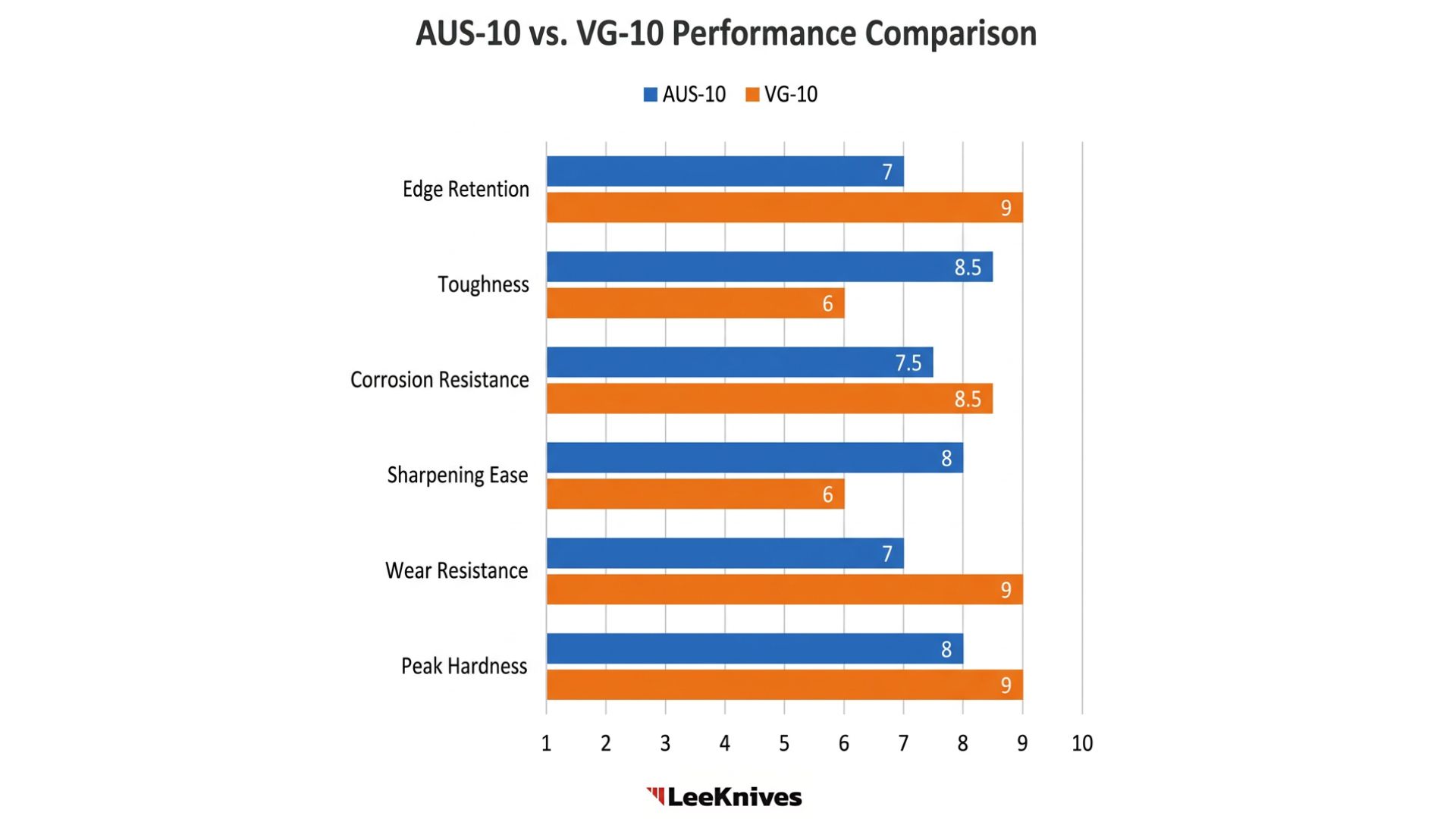
The typical hardness of AUS-10 is between 58 and 60 HRC after proper heat treatment. This moderate hardness range makes AUS-10 easier to sharpen and less prone to chipping.
VG-10 can reach an average hardness of 60 to 62 HRC. The addition of cobalt allows for better hardenability, resulting in a harder blade that maintains its edge longer.
For knife manufacturers, this 2-HRC difference translates to noticeable performance gaps. VG-10’s higher hardness suits premium kitchen knives where edge retention is critical. AUS-10’s slightly softer nature makes it more forgiving for everyday carry knives that may encounter rough handling.
Korrosionsbeständigkeit
AUS-10 performs well in corrosion resistance thanks to its 13.5% chromium content. The steel forms a stable oxide layer that protects against rust in normal kitchen and outdoor conditions.
VG-10 performs excellently in corrosion resistance due to its higher 15% chromium content and the presence of molybdenum. Compared to AUS-10, VG-10 has better corrosion resistance, making it ideal for kitchen knives that frequently get wet.
For your customers who prioritize low-maintenance blades, VG-10 offers a slight but meaningful advantage. However, both steels are fully stainless and perform adequately for most applications with basic care.
Schnitthaltigkeit
The 58-60 HRC hardness of AUS-10 provides moderate edge retention. Knives made from this steel stay sharp through regular use but require more frequent touch-ups compared to premium alternatives.
The 60-62 HRC hardness provides incredible edge retention for VG-10 steel. It performs better than most steels in its class, including AUS-10, thanks to the cobalt-enhanced matrix that supports a finer, more durable edge.
For wholesale buyers, this difference matters for product positioning. AUS-10 knives appeal to budget-conscious consumers who accept slightly more maintenance. VG-10 knives command higher prices and satisfy demanding users who prioritize long-lasting sharpness.
Zähigkeit
AUS-10’s toughness is one of its standout qualities. The slightly lower hardness and balanced carbide structure give AUS-10 better resistance to chipping and cracking under stress.
VG-10’s toughness isn’t as great as its other qualities. Using a VG-10 knife vigorously for prying or chopping hard materials can result in a chipped edge. The higher hardness that gives VG-10 its edge retention advantage comes at the cost of reduced toughness.
For tactical or outdoor knives that may face abuse, AUS-10 offers a more durable option. For precision kitchen knives that see controlled cutting tasks, VG-10’s lower toughness is rarely a practical limitation.
Verschleißfestigkeit
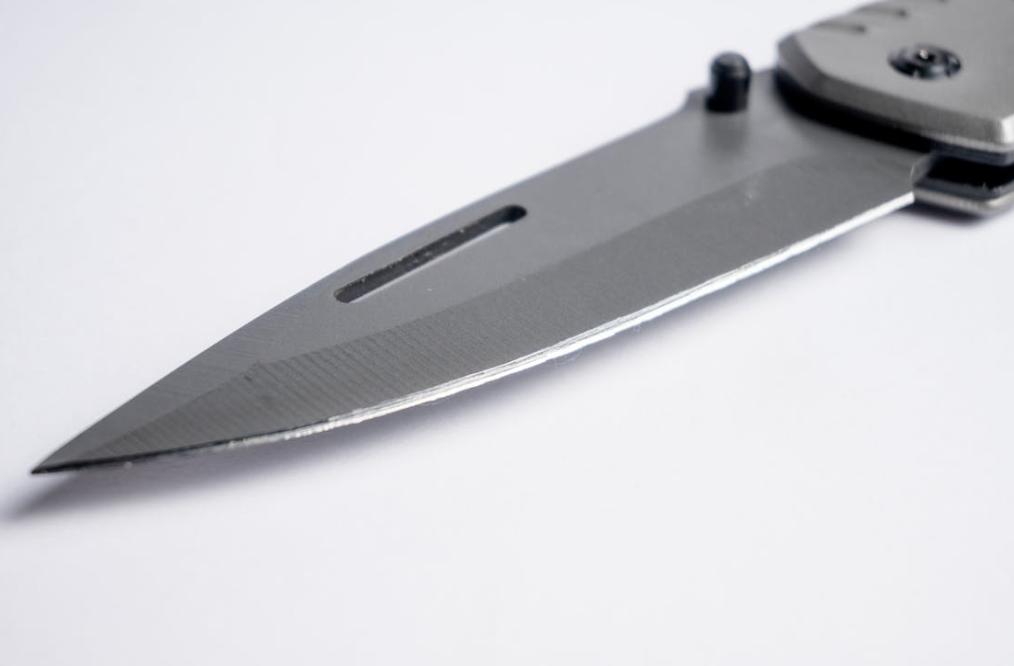
Wear resistance is where VG-10 clearly outperforms AUS-10. The higher hardness and cobalt-enhanced structure create a more wear-resistant surface that holds up better under abrasive conditions.
AUS-10 offers adequate wear resistance for general use but shows faster degradation under heavy-duty applications. The steel is better suited for light-to-medium cutting tasks rather than abrasive environments.
For manufacturers targeting professional kitchens or industrial users, VG-10’s superior wear resistance justifies the higher material cost. For consumer-grade products, AUS-10 provides sufficient durability at a lower price point.
Due to its moderate hardness, AUS-10 steel is relatively easy to sharpen. Most sharpening stones achieve good results without excessive effort, making AUS-10 accessible to end users who maintain their own knives.
VG-10 requires more effort to sharpen due to its higher hardness. Diamond or high-grit ceramic stones are recommended for best results. While sharpening takes longer, the trade-off is significantly extended edge retention.
For knife retailers, this difference influences customer support needs. AUS-10 products generate fewer sharpening complaints from casual users. VG-10 products may require educational content or sharpening services as part of the customer experience.
Commercial comparison: Profitability, sourcing, and manufacturing
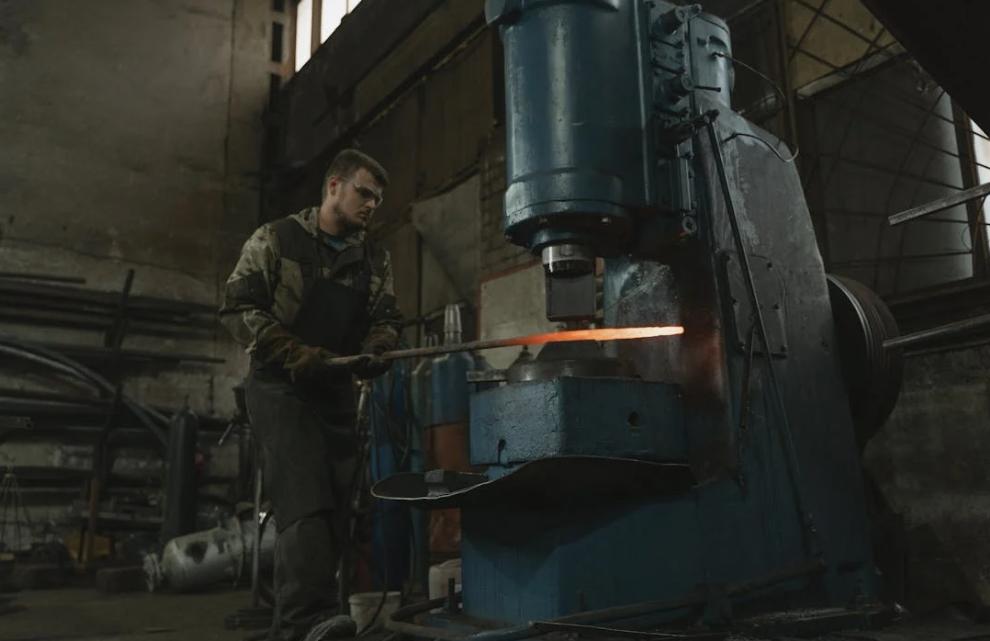
Choosing between AUS-10 and VG-10 is not just a technical decision; it is a strategic business move that impacts your supply chain, production yield, and final retail margins.
Cost analysis & profit margins
From a wholesale perspective, the raw material cost is only the tip of the iceberg.
- Material Premium: AUS-10 is generally 20% to 30% more affordable than VG-10. For high-volume production, this translates to a significant reduction in COGS (Cost of Goods Sold).
- Operational Savings: AUS-10 is “softer” on manufacturing consumables. It causes less wear on grinding belts and CNC bits, and has a higher success rate during the heat-treatment phase compared to the more temperamental VG-10.
- MSRP Positioning: While AUS-10 costs less, VG-10 commands a “Premium Surcharge.” Consumers are often willing to pay a $30–$50 premium for the “VG-10” label, allowing for higher net profit margins on flagship product lines.
Supply chain availability & lead times
The reliability of your supplier is as important as the quality of the steel.
- Aichi Steel (AUS-10): As a massive industrial supplier (part of the Toyota group), Aichi Steel offers higher production capacity. This results in more stable lead times and lower MOQs (Minimum Order Quantities), which is ideal for growing brands and Amazon FBA sellers who need to manage inventory tightly.
- Takefu Special Steel (VG-10): Takefu is a specialized, smaller-scale mill. Because global demand for VG-10 is extremely high among premium brands (like Shun and Spyderco), lead times can be volatile. Brands using VG-10 must plan their procurement 6–12 months in advance to avoid stockouts.
Manufacturing perspective: Lamination vs. mono-steel
The physical form of the steel dictates your manufacturing complexity.
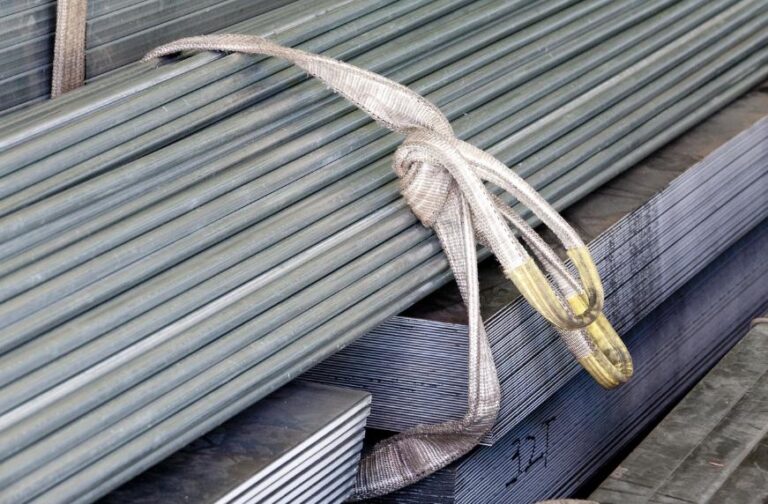
- VG-10 Lamination (San Mai): Because VG-10 is brittle at high hardness, it is rarely used as a “mono-steel” for kitchen knives. It is typically sold as Clad Steel (San Mai), where a VG-10 core is sandwiched between layers of softer stainless steel. This requires specialized welding and grinding expertise.
- AUS-10 Versatility: AUS-10 is frequently used as Mono-steel (a single solid piece). This simplifies the laser-cutting and edge-grinding process, making it much more compatible with modern mass-production facilities and reducing the risk of delamination or stress cracks during manufacturing.
Conclusion: Which steel is better for your knife line?
The AUS-10 vs VG-10 decision ultimately comes down to your target market and manufacturing priorities.
Choose VG-10 when:
- Your customers are professional chefs or premium kitchen knife enthusiasts who demand maximum edge retention
- Brand prestige and “Made in Japan” premium positioning justify higher retail prices
- Your supply chain can accommodate 6–12 month procurement cycles and San Mai lamination expertise
Choose AUS-10 when:
- You’re targeting EDC, tactical, or mid-market kitchen knife buyers who value toughness over extreme hardness
- Cost efficiency and manufacturing simplicity are critical — mono-steel construction, shorter lead times, and lower MOQs
- Sie benötigen eine forgiving steel that reduces customer sharpening complaints and warranty claims
Both steels are proven, stainless, and “Made in Japan.” Neither is objectively superior — they serve different business strategies. VG-10 wins on performance metrics; AUS-10 wins on operational flexibility and margin.
Get expert steel sourcing from LeeKnives
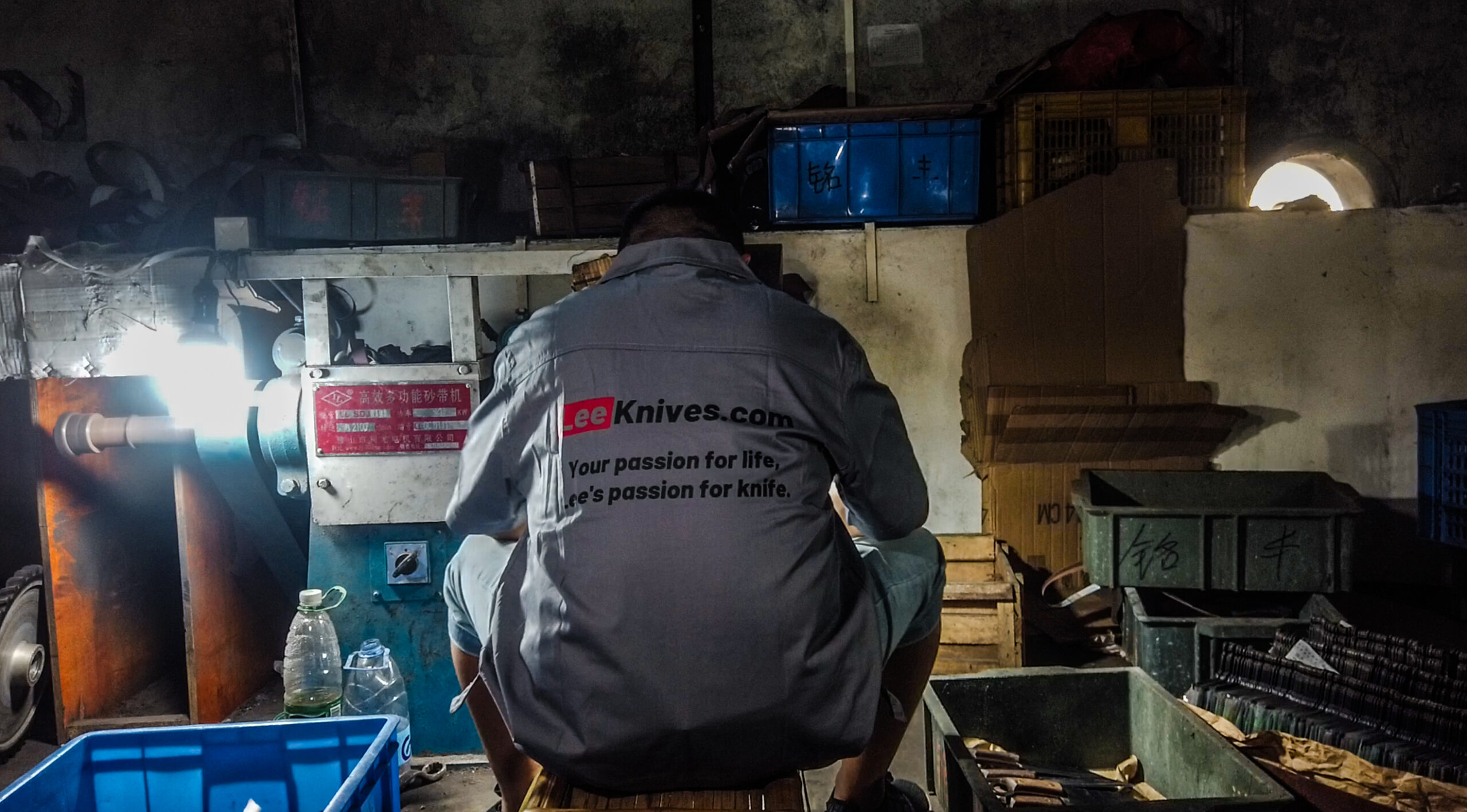
Still deciding between AUS-10 and VG-10 for your next product line?
Bei LeeKnives, Wir sind spezialisiert auf OEM/ODM knife manufacturing using premium Japanese steels including AUS-10 and VG-10. We can help you navigate material selection, sourcing, and production to match your target market and budget.
What you get:
- Flexible Mindestbestellmengen: suitable for testing new product lines or scaling production
- Full OEM/ODM support: steel selection guidance, heat treatment specs, handle design, and packaging
- Transparent lead times: we communicate realistic production schedules based on current material availability and your order volume
- Material traceability: mill certificates and hardness test reports available upon request
Angebot anfordern — Tell us your target market and price point, and our metallurgy team will recommend the optimal steel and construction method for your product line.
Bringen Sie Ihre individuelle Messerlinie schneller auf den Markt mit LeeKnives
Umfassender OEM/ODM-Support – vom Entwurf bis zur endgültigen Lieferung –, damit Sie sich auf Ihr Wachstum konzentrieren können.
Unterstützt durch Lager in den USA für eine schnelle und zuverlässige Lieferung.
Häufig gestellte Fragen
Is VG-10 steel considered high end?
Yes, VG-10 is widely regarded as a high-end Japanese stainless steel. It is manufactured by Takefu Special Steel and is commonly found in premium kitchen knives from brands like Meiden and Yoshihiro. For wholesalers, VG-10 products command higher retail prices and appeal to discerning customers who prioritize performance and brand prestige.
What are the drawbacks of VG-10 steel?
The main drawbacks of VG-10 are its moderate toughness and relatively difficult sharpening process. The high hardness (60-62 HRC) makes the steel more prone to chipping under impact compared to softer steels. Additionally, end users need diamond or ceramic stones to sharpen VG-10 effectively, which may increase customer support demands for retailers.
Is AUS-10 better than D2 steel?
AUS-10 and D2 serve different market segments. AUS-10 is a stainless steel with 13.5% chromium, offering better corrosion resistance and easier maintenance. D2 is a semi-stainless tool steel with superior wear resistance and edge retention but requires more care to prevent rust. For kitchen knives and humid environments, AUS-10 is the better choice. For heavy-duty cutting tools, D2 may be preferable.
Does VG-10 steel rust?
VG-10 is a stainless steel with 15% chromium content, so it resists rust under normal conditions. However, it is not completely rust-proof. Prolonged exposure to moisture, salt water, or acidic foods without proper cleaning can cause surface staining or minor corrosion. For your customers, basic maintenance like drying after use is sufficient to keep VG-10 blades in excellent condition.
Is 440C or VG-10 better?
VG-10 generally outperforms 440C in edge retention and hardness. VG-10 achieves 60-62 HRC compared to 440C’s typical 57-59 HRC. However, 440C offers slightly better corrosion resistance due to its higher chromium content (16-18%) and is significantly more affordable. For budget-conscious product lines, 440C remains a solid option. For premium positioning, VG-10 delivers superior cutting performance.




 DE
DE  EN
EN  JA
JA