
菜切包丁を中華包丁の隣に置けば、それだけで論争が始まります。どちらも背が高く、長方形で、刃先が平らな、一見するとほとんど見分けがつかない刃物です。お客様はどちらも同じ仕事をするものだと思い込みますが、それは半分正しくて半分間違っています。.
どちらも押し切りに適した野菜用ナイフであり、ほとんどのものに共通するフラットな刃先形状を持っています 日本の包丁. しかし、1つは日本の専用の葉切り包丁であり、もう1つは中国の万能型の シェフナイフ. サイズ、重量、および作業範囲の違いによって、顧客が日々どちらを選ぶかが決まります。.
このガイドでは、本当の違いを詳しく解説し、各ブレードに適した作業を分類し、最後にはナイフビジネスのための品揃えのアドバイスを提供します。.
菜切り包丁 vs 中華包丁:一目でわかる違い
比較全体を1つの表にまとめました。以下のセクションでは、これらの数字がまな板上で実際にどのような感覚をもたらすのかを説明します。.
| ナキリ | 中華包丁 | |
|---|---|---|
| 起源 | 日本 — 野菜専用包丁 | 中国――万能包丁 |
| 標準的な長さ | 165 – 180 mm (6.5 – 7 インチ) | 180 – 220 mm (7 – 8.7 インチ) |
| 刃の高さ | 45~55 mm | 90~110 mm |
| 重さ | 150~250 g | 280~360 g |
| 角 | 平らな両刃(50/50) | 平刃(両刃) |
| 硬度 | 通常60〜62 HRc、刃先側が薄い仕上げ | 通常56~62 HRc、刃先が薄い |
| 切削動作 | 押して切る、タップして切る | 押し切り、引き切り、すくい潰し |
| 骨なし肉 | 可能だが、その仕事ではない | はい、日々の業務の一部です |
| 骨 | いいえ | いいえ(それは顧刀で、別のナイフです) |
| 学習曲線 | ほとんどない | 約1週間の日常使用 |
| 価格のスイートスポット | $40 – $120 | $20 – $60 |
| 理想的な購入者 | 野菜中心の料理人、植物由来の食事 | 炒め物の料理人、一本包丁の家庭 |
菜切り包丁とは何ですか?
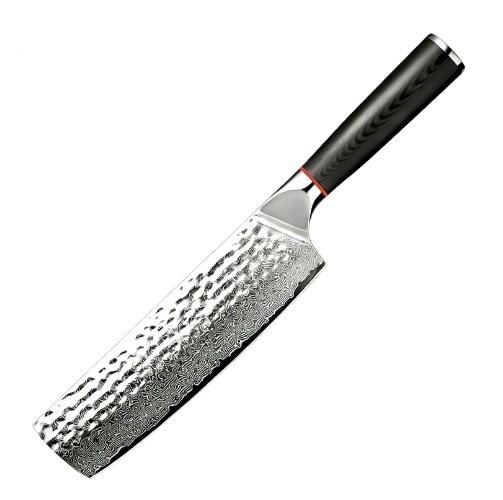
ダマスカス積層 10Cr15CoMoV G10ハンドル 菜切 172mm 槌目仕上げ
その ナキリ (菜切、「葉切り」)は、日本の家庭用野菜包丁であり、刃元から切先までまっすぐな刃を持ち、まな板に均一に接する、薄くて軽い長方形の刃が特徴です。.
あらかじめ訂正しておくべきよくある誤解の一つとして、菜切包丁は 両刃; その片刃の兄弟分である薄刃は、プロ用の道具である。.
詳細については、完全な ナキリガイド その歴史、用途、三徳包丁との比較について解説します。.
中華包丁とは何ですか?
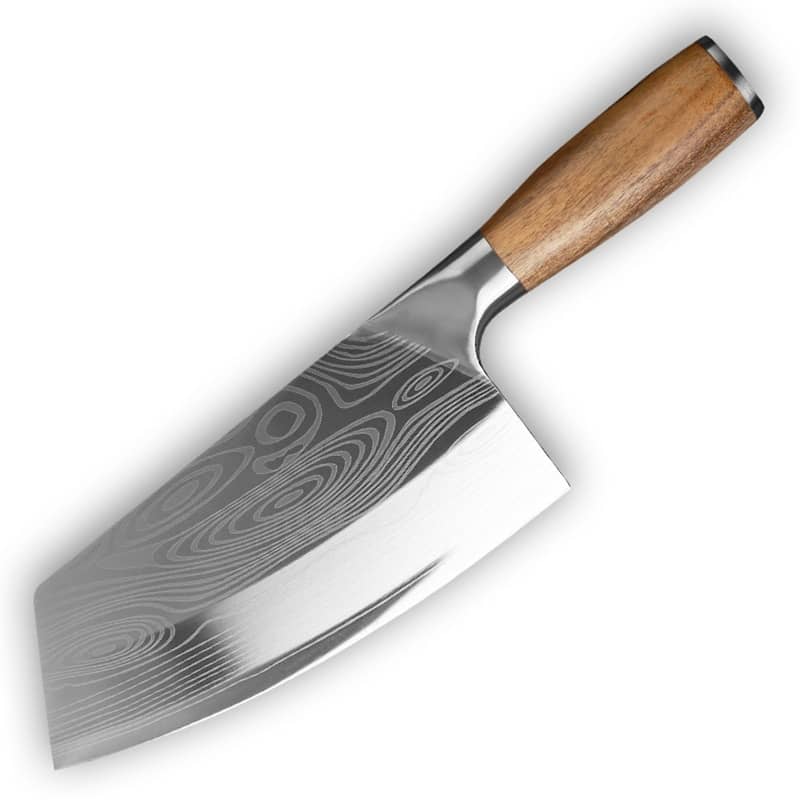
4Cr13 ローズウッド 中国式野菜包丁 200 mm レーザー彫刻
その 中華包丁 日常 カイダオ 包丁、“野菜用包丁“)――菜切り包丁を大きくしたような見た目だが、役割はそれ以上だ。中国の家庭の厨房で頼りにされるのは、この一本の包丁なのだ。肉を切り、キャベツを千切りにし、平らな面でニンニクを潰し、下ごしらえした食材をそのまま中華鍋へとすくい入れる。.
その名称は実際には3つの道具、すなわち薄い片刀スライサー、万能な斬切刀、そして重い骨切り刀の骨切り包丁にまたがっており、最後のものだけが骨に触れます。.
私たちの専用の 中華包丁ガイド ファミリーについて詳しく解説しています。また、お客様が西洋の定番モデルと比較検討されている場合は、 中華包丁とシェフナイフ 比較。.
菜切包丁 vs. 中華包丁:主な違い
同じシルエット、同じフラットなエッジ――では、なぜこれほど使い心地が違うのでしょうか。勝負の行方を決める5つの実用的な違いと、ほとんどの買い手が耳にすることのないメンテナンスの違いが1つあります。.
目的と成分
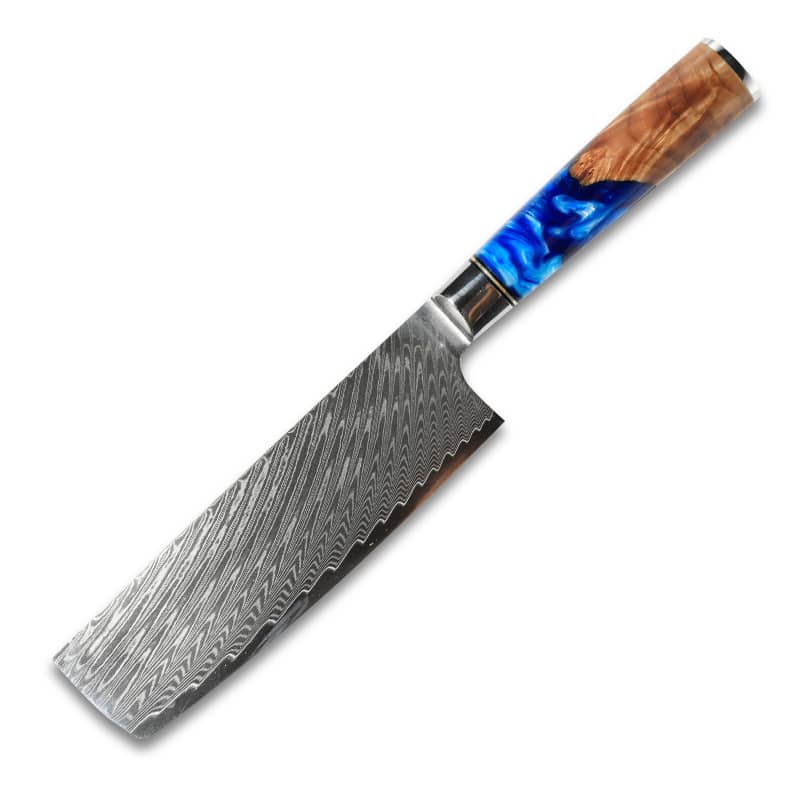
ダマスカス積層 9Cr18Mov 楕円形 安定化木材 菜切 180 mm
菜切り包丁の役割はただ一つ、食材を調理することです。薄く軽い刃が葉物野菜、ハーブ、トマトといったデリケートな食材を優しく扱い、傷つけたり潰したりすることなくスライスします。まな板の上で肉を扱うことがほとんどないお客様にぴったりの包丁です。.
菜刀は、野菜、骨なしの肉、魚、香味野菜など、中国の家庭のキッチンで1日に切るすべてのものをカバーし、丸ごとのキャベツや冬瓜のような大きな食材にも手が届きます。要するに、菜切包丁が野菜の専門家であるのに対し、菜刀は野菜に強い万能包丁です。.
サイズと刃の高さ
菜切り包丁の長さは165〜180mm、高さ(刃幅)は約45〜55mmです。一方、中華包丁(菜刀)は180〜220mmの長さがあり、刃幅は90〜110mmと、高さはほぼ倍になります。この広い刃面があるおかげで、中華包丁は食材をすくい取る道具となり、ニンニク潰しとなり、高く積み上がった野菜が崩れるのを防ぐ移動式の壁の役割も果たすのです。.
菜切りのコンパクトな形状は、そのトレードオフの裏返しである。小さなまな板、小さなキッチン、小さな手にフィットし、丸ごとのキャベツではなくネギ2本を切るような仕事の際には、決して大げさすぎるように感じられることはない。.
体重と疲労
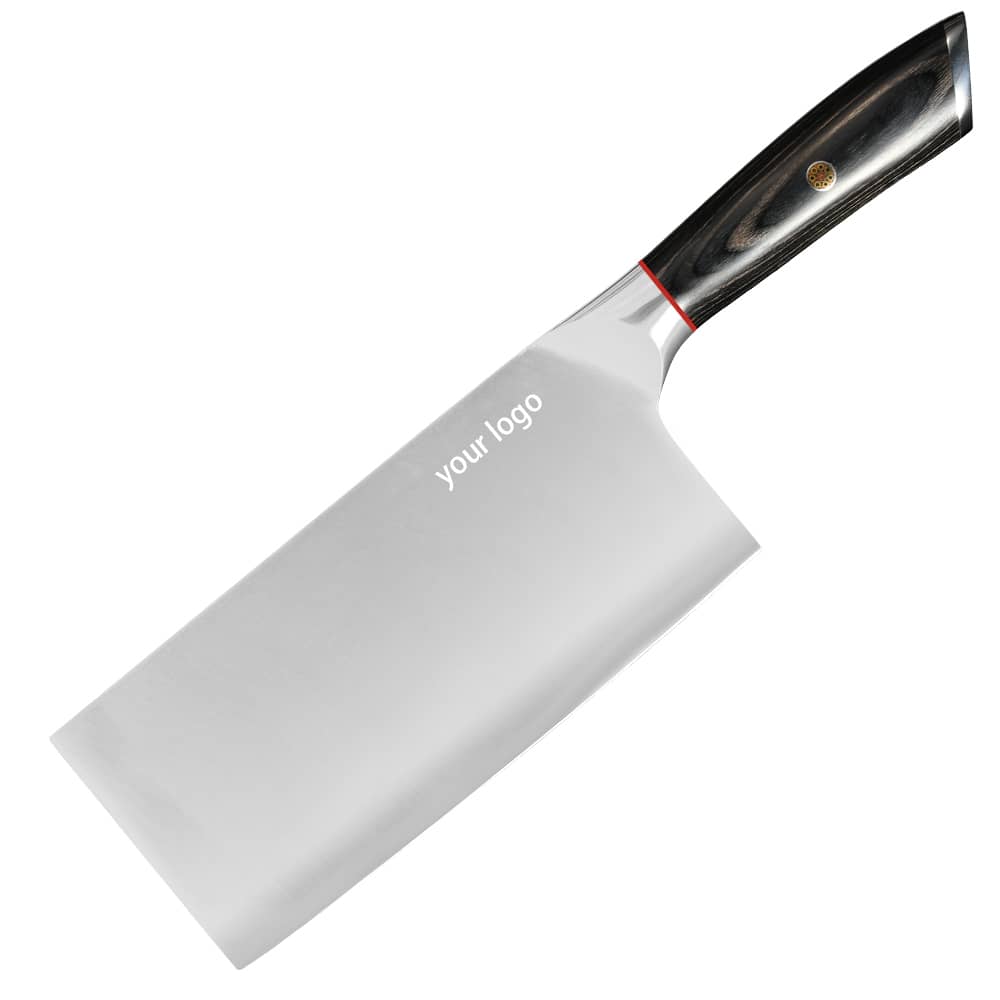
一般的な菜切り包丁の重さは150〜250グラムで、中華包丁(菜刀)は280〜360グラムあります。タマネギを1個切るだけなら、誰もその違いに気づきません。.
日曜日の一括調理のセッションでは、その違いが積み重なって大きな差となります。経験豊富なユーザーは、菜切り包丁を「より軽快で疲れにくい」と表現する一方で、中華包丁の刃先寄りの重みは、硬い野菜を切る際に作業をいくらか肩代わりしてくれます。.
お客様にとって、これは品質の問題ではなく、適合性の問題です。ナイフの強さではなく、調理の量に合わせて選んでください。.
カッティングモーションとスクープファクター
両方の包丁とも押し切りができる。つまり、少し前にスライドさせながら真下に下ろすのだ。菜切包丁には真似できない2つの動きを菜刀は加える。それは素早い リフトチョップ 大量ダイシング用の、そして スクープ転送 刻んだ食材を一度にまとめてフライパンに移すことができる。このスクープに切り替えた料理人たちは口を揃えて、生活が一変するほどの便利さだと称賛している。.
菜切り包丁は正確に反撃します。短く軽い刃は、細かいハーブの調理や紙のように薄いスライスなど、中華包丁の高さが扱いにくくなる作業において、よりスムーズに動かすことができます。.
汎用性と肉の問題
多用途性という点において、「大きめの菜切」というアイデアは破綻する。菜切は、骨なしの肉や魚をたまの副業務としてスライスすることはできるが、それはあくまで副業務の域を出ない。毎日のタンパク質の調理こそが中華包丁の真骨頂であり、その作業範囲こそが、野菜スペシャリストと一本で何でもこなす包丁とを分ける境界線なのだ。.
共有される境界線の方がより重要である: 包丁のどれも骨を断ち切らない. どちらもハードに走り、56から62あたりの薄いエッジが ロックウェル硬度スケール 骨付き肉、冷凍食品、硬い殻。.
お客様が骨の作業用に中華包丁を必要としている場合、その包丁は菜刀ではなく骨刀(骨切刀)です。スライサーを骨の作業用に販売すると刃が欠けて戻ってくるため、どのような商品ページであっても、この違いを明確にしておく価値があります。.
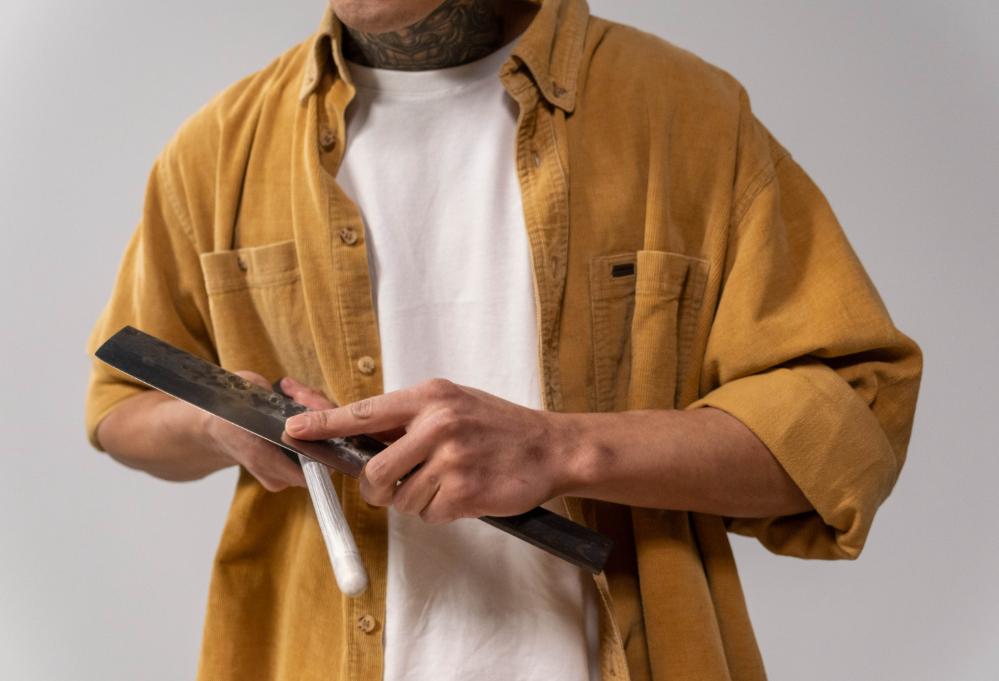
直感に反して、小さな包丁の方が手入れは簡単です。包丁に関するフォーラムでは、菜切り包丁が一貫して最も研ぎやすい包丁の一つとして挙げられています。刃の直線部分によって砥石との接触ラインが常に一定に保たれ、追うべきカーブ(腹)がないためです。一方、中華包丁の高さのある刃は、特に低い角度を保つのが難しくなります。.
どちらもシンプルなキットが報酬となる:ミディアム 砥石 エッジ設定とa セラミックシャープニングロッド 研ぎ直しの間のメンテナンス用として、どちらの包丁の隣に置いても便利な、お買い得なセット販売です。.
LeeKnivesでカスタムナイフラインをより早く立ち上げましょう
設計から最終出荷まで、OEM/ODM の完全なサポートにより、成長に集中できます。
米国の倉庫に保管されているため、迅速で信頼性の高い配送が可能です。
どのタスクがどのナイフに属するか
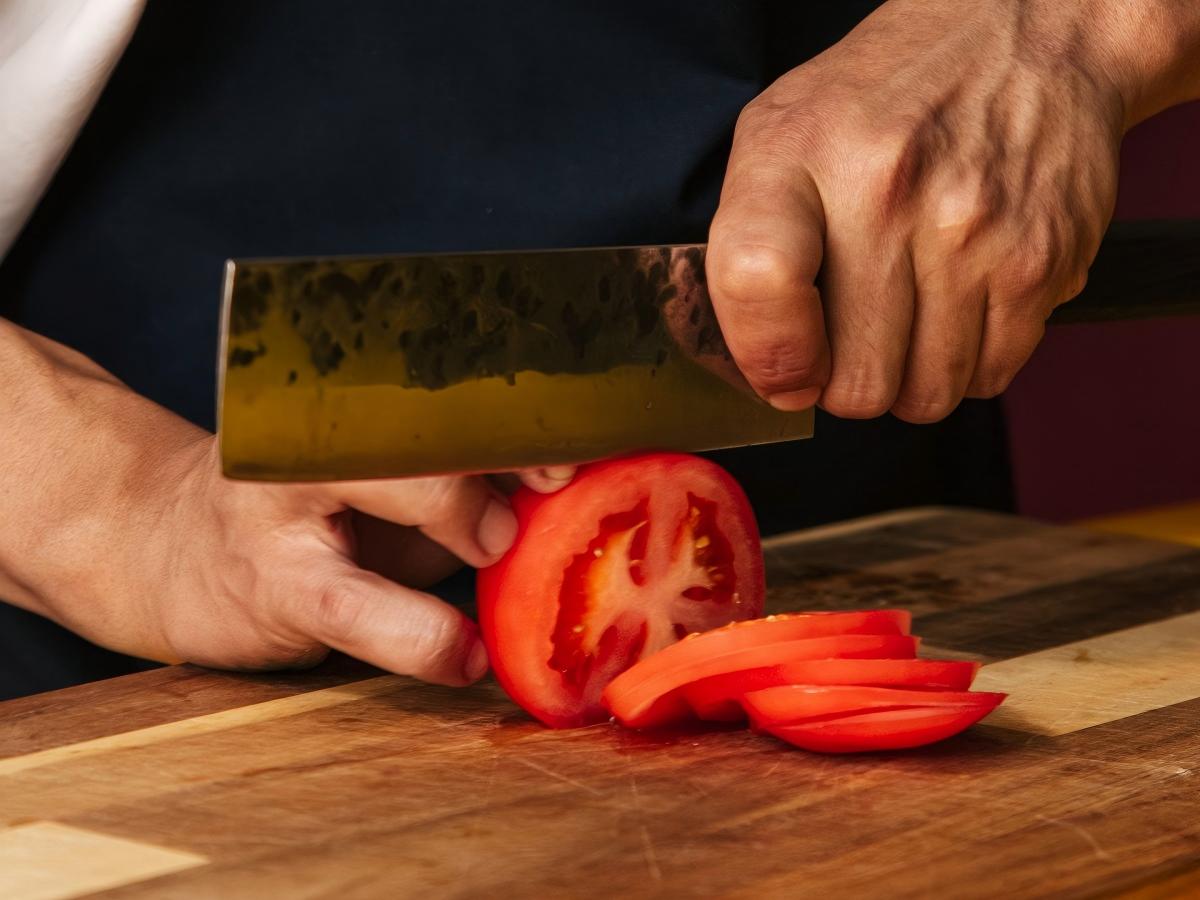
顧客にアドバイスをする最も早い方法は、タスクを一つずつ進めることです。このマトリックスがそれを実現します。.
| 事前タスク | ナキリ | 中華包丁 |
|---|---|---|
| ハーブと細かくみじん切りにすること | ✅ 機敏で正確 | ⚠️ 有能だが、不器用 |
| 大きな農産物(キャベツ、メロン、カボチャ) | ⚠️ 替刃が切れる | ✅ 対応済み |
| 野菜の作り置き調理 | ✅ 軽快、高速、低疲労 | ✅ より速く、しかしより重い |
| 具材をフライパンルにすくい入れる | ❌ ブレードの表面積が小さすぎます | ✅ 決定的な機能 |
| ニンニクとショウガを潰す | ❌ 押しつぶせるような大きな顔はありません | ✅ 平手打ち一発 |
| 骨なしの肉と魚 | ⚠️ 副業歓迎 | ✅ 本日の日課 |
| 餃子の具(両手でのみじん切り) | ❌ 作業に対する刃が小さすぎる | ✅ 定番のテクニック |
| 骨または冷凍食品 | ❌ 縁が欠ける恐れがあります | ❌ — gu dao または 肉切り包丁 |
お客様に繰り返し伝えたいパターンの1つ:食材の山が大きければ大きいほど、中華包丁の出番が増える。カットが細かければ細かいほど、菜切包丁の出番が増える。.
どちらを選ぶべきか?
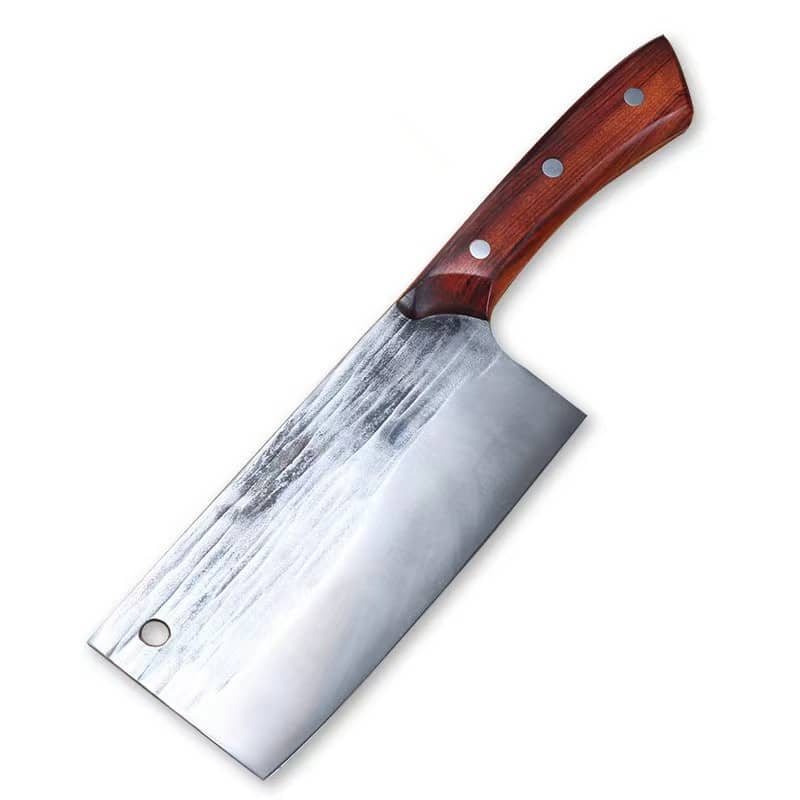
8Cr13MoV ローズウッド 中国式野菜包丁 170 mm
見栄えする刃ではなく、調理のスタイルで選ぶこと。野菜を切る作業が大部分を占める場合(プラントベースの食事、サラダ中心の1週間、週末のまとめ作りなど)、菜切り包丁は使い始めてから5分でその価値を証明する。.
包丁を1本だけ野菜用にしなければならない場合 そして 毎日の肉の下ごしらえにおいて、2本のうちそのために作られているのは菜刀だけだ。.
バイヤーにご案内いただけるサイズガイド:
- ナキリ165 mmはほとんどの家庭のキッチンに合い、大きなまな板や大きな手には180 mmにサイズアップしてください。.
- 中華包丁小型のスライサー(CCKスタイルの「小さな中華包丁」)は初心者に向いており、200mm以上のフルサイズは自信のある料理人や飲食店の仕込みに向いています。.
そして一つ、正直にお伝えしておきたい期待値ですが、菜切包丁は初日から手に馴染むのに対し、中華包丁(菜刀)には約1週間かかります。それを知って購入されたお客様は、その包丁を使い続けます。多くの方が最終的に両方を所有することになります。というのも、棚に並んでいる時は似ていても、日々の使用における役割の重なりははるかに少ないからです。.
ナイフ専門店にとって、これはどういう意味を持つのか
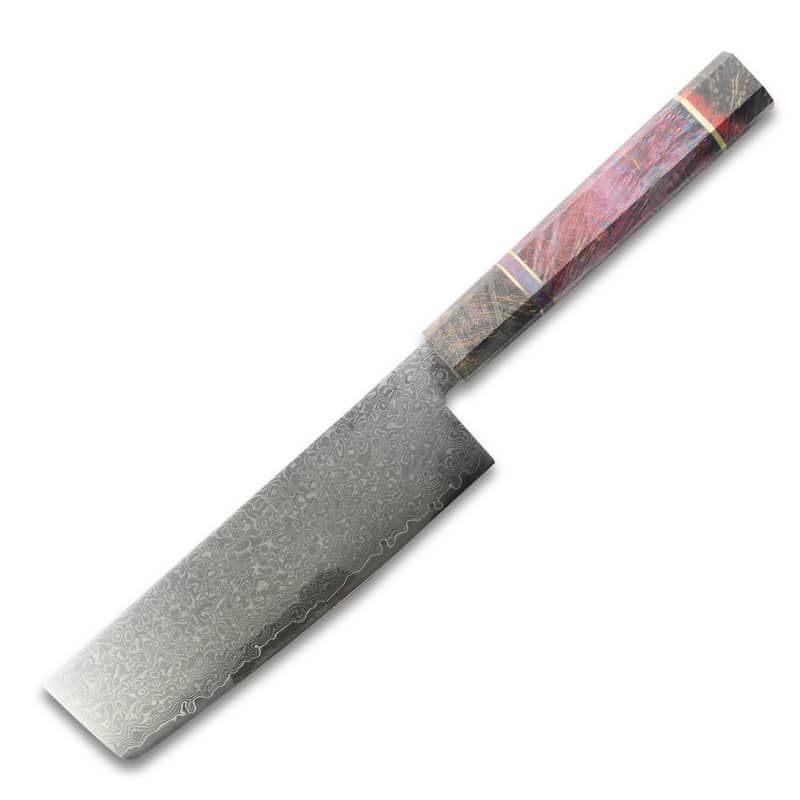
ダマスカス積層 9Cr18Mov 八角スタビライズドウッド 和柄菜切り 180mm
これら2本の包丁は、野菜用包丁というカテゴリーを両極から支えています。菜切包丁は、初心者向けの日本の専門包丁であり、次のような用途に簡単に追加できるアイテムです。 三徳 そして 牛刀 オーナーであり、プラントベースの顧客にとって自然なおすすめの選択肢です。.
中華包丁は成長ストーリーである—アジア料理は買い手のすそ野を広げ続けており、専門店を除けば店頭での競争はまだ薄い。.
これらをペアとして品揃えすることは、最も一般的な販売前の異議申し立てを無力化することにもなります。「これらは同じ包丁ではないのですか?」と顧客が尋ねたとき、あなたには2文の答えと、提示すべき2つの異なる価格帯があります。より幅広い品揃えのロジックについては、次の概要をご覧ください。 日本の包丁.
簡単な在庫の経験則: 菜切包丁は165mmと180mmを取り扱い、中華包丁シリーズには小型のスライサーとフルサイズの菜刀(ツァイダオ)を揃えてください。骨骨切り包丁である骨刀(グーダオ)は、野菜用として誤って販売されないよう、用途を明確に表示しておいてください。.
LeeKnivesのナキリ包丁と中華包丁の在庫

菜切包丁と中華包丁のどちらが良いかという問いに唯一の勝者は存在しません。それこそが、貴社のビジネスにおける最大のチャンスです。この2つの包丁はシルエットこそ似ているものの、異なる購入者層、価格帯、そして料理のスタイルに対応しているため、両方を揃えたラインナップを展開することで、議論のどちらの側にいる買い物客をも顧客へと転換することができます。.
LeeKnivesは、両方のナイフを 陽江 シティ:菜刀の故郷であり、現在は日本式刃物の主要な産地でもある場所。比較の両方に対して1つのサプライヤー、1つの品質基準を提供し、お客様の選択により 鋼, 持ち手のスタイル, 、およびペア全体の価格階層。.
ビジネスの運営方法に合わせて調達してください:当社の既製モデルから 包丁カタログ で 卸売 価格、および当社を通じたカスタム仕様について OEM そして ODM サービス、または自社ブランドのラインナップを当社を通じて プライベートブランドプログラム.
次回の野菜用包丁の品揃えを計画中ですか? LeeKnivesから無料見積もりを依頼 —サンプル、段階的価格設定、および御市場向けのペアリングプランを用意して持ち帰ってください。.
LeeKnivesでカスタムナイフラインをより早く立ち上げましょう
設計から最終出荷まで、OEM/ODM の完全なサポートにより、成長に集中できます。
米国の倉庫に保管されているため、迅速で信頼性の高い配送が可能です。
よくある質問
菜切包丁は中国の小さな中華包丁のようなものですか?
いいえ。平らな刃先と長方形の輪郭という共通点はあるものの、用途は異なります。菜切包丁は野菜専門ですが、菜刀は毎日の肉の下処理もこなす万能包丁です。約100グラムという重量差と、ほぼ2倍の刃の高さというサイズの違いは、偶然ではなく機能としての特徴です。.
菜切包丁は本当に必要ですか?
「必要性」という枠組みは間違っています。誰も専門包丁を必要とはしていません。菜切り包丁が意味を持つのは、野菜を切る作業が大半を占める場合、顧客が食材をまとめて下ごしらえする場合、あるいはすでにメインの包丁を持っていてそれ専用の相棒が欲しい場合です。たまに料理をする人にとっては、シェフナイフや三徳包丁ですでに同じ役割をカバーできてしまいます。.
中華包丁はそれだけの価値がありますか?
はい、アジア料理や大量の野菜を調理する料理人にとっては、この1本で複数の調理器具の代わりになり、刃の表面はすくい器やつぶし器としても機能します。 定評のあるメーカーのエントリーモデルの炭素鋼製ナイフは$20から$60程度なので、リスクは低いです。刃先が前に出ているバランスに慣れるまで、1週間ほど練習する時間を確保しておきましょう。.
菜切包丁で肉を切ることはできますか?
はい、制限はありますが可能です。骨なしの肉や魚は菜切包丁できれいにスライスでき、関節に沿って鶏肉を解体することもできます。ただし、骨、冷凍食品、硬い種などに当ててはいけません。薄く鋭い刃が欠けてしまいます。日常的な肉の下ごしらえでは、中華包丁の方が優れています。.
菜切り包丁と三徳包丁のどちらが良いですか?
純粋な野菜の調理には菜切包丁の方が速く、肉や魚を含む多様な下ごしらえには、三徳包丁の尖った先端とわずかな丸みが優れた万能包丁にしています。当社のフル 菜切包丁と三徳包丁の比較 その決定について詳細に説明する。.
すべての用途に最適な包丁はどれですか?
その称号を客観的に獲得するナイフはありません。すべての中庸なデザインは、料理法に合わせて調整された妥協の産物です。西洋では湾曲したシェフナイフがその役割を勝ち取り、中国では平らな菜刀がそれを勝ち取りました。お客様への率直なアドバイスは、最も声高なマーケティングに惑わされるのではなく、自分が一番よく作る料理に合ったものを選ぶことです。.




 JA
JA  EN
EN  DE
DE