9Cr18MoVと14C28Nは、ナイフ産業で広く使用されている人気のあるお手頃価格のステンレス鋼です。どちらも、次のような用途に確かな性能を発揮します。 入門~中級ナイフ, しかし、その起源、組成、主要な特性は大きく異なる。.
9Cr18MoVは中国の高炭素鋼である。 ステンレス鋼 一方、14C28Nはスウェーデンのサンドビック社製で、窒素を強化した配合です。これらのどちらを選ぶかは、製品ラインの性能、価格帯、顧客満足度に直接影響します。.
この記事では、これらの鋼を真っ向から比較し、どちらがあなたのナイフビジネスに適しているかを判断するのに役立つ。.
重要なポイント
- 14C28Nの方が錆びにくい。. 低炭化物設計により、鋼母材中のクロムがより多く遊離し、9Cr18MoVに見られるようなクロムを消耗する炭化物なしに、窒素が耐孔食性を高める。.
- 9Cr18MoVは切れ味が少し長持ちするが、14C28Nはより安定した刃先を保つ。. 9Cr18MoVの余分な炭素は、摩耗試験で鈍化を遅らせ、14C28Nのより微細な構造は、日常的なブレードを鈍く感じさせる切屑やロールに抵抗します。.
- 14C28Nの方が丈夫で研ぎやすい。. 衝撃に強く、基本的な砥石ではすぐに復活する。.
- 14C28Nの熱処理はより予測しやすい 9Cr18MoVは工場によって異なるため、より強力なQCが必要です。.
- 9Cr18MoVはコストが安く、出荷が早い。. 14C28Nはスウェーデンから輸入されるため価格が高い。.
- B2Bバイヤー向け:9Cr18MoVは、コストとリードタイムが最も重視されるバジェット・ラインや大量注文に適しています。14C28Nは、EDC、キッチン、アウトドアナイフなど、メンテナンスのしやすさと刃先の欠けにくさが重視される場合にお選びください。.
9Cr18MoV鋼とは?
9Cr18MoV は、以前の9Cr18シリーズのアップグレードとして開発された中国産マルテンサイト系ステンレス鋼である。基本配合にモリブデンとバナジウムを加えることで、中国の冶金学者は、このシリーズを定義する高クロム含有量を維持しながら、耐摩耗性を向上させたより汎用性の高い合金を作りました。.
今日、9Cr18MoVは中国のナイフ・刃物製造部門で最も広く生産されているステンレス鋼のひとつである。9Cr18MoVは、世界中に輸出されている、手頃な価格の折りたたみナイフ、キッチン・セット、アウトドア・ツールに使用されている。用途 中国メーカーから調達する卸売業者, この鋼材は、性能と価格のバランスが取れた、信頼性が高く費用対効果の高いオプションである。.
14C28N鋼とは?
14C28N は、ナイフ用鋼で数十年の経験を持つスウェーデンの素材メーカー、サンドビック社によって開発されました。この鋼種は、サンドビックの初期の12C27および13C26鋼種から進化したもので、耐食性を犠牲にすることなく刃先の保持力と硬度を向上させるため、窒素が特別に添加されている。.
刃物用に適応した汎用鋼とは異なり、14C28Nは刃物用途のために一から設計されました。サンドビックはナイフメーカー向けに組成を最適化し、その結果、熱処理が安定し、さまざまな製造環境で予測通りの性能を発揮する鋼を生み出しました。カーショウのような大手ブランドは、この鋼を中心に製品ライン全体を構築している。.
9Cr18MoVと14C28Nの化学組成比較
| 要素 | 9Cr18MoV | 14C28N |
|---|---|---|
| 炭素(C) | 0.85 - 0.95% | 0.62% |
| クロム(Cr) | 17.0 - 19.0% | 14.0% |
| モリブデン(Mo) | 1.00 - 1.30% | — |
| バナジウム(V) | 0.07 - 0.12% | — |
| 窒素(N) | — | 0.11% |
| マンガン(Mn) | ≤ 0.80% | ≤ 0.60% |
| シリコン(Si) | ≤ 0.80% | ≤ 0.20% |
| ニッケル(Ni) | ≤ 0.60% | — |
| リン(P) | ≤ 0.04% | ≤ 0.025% |
| 硫黄(S) | ≤ 0.03% | ≤ 0.010% |
情報源 9Cr18MoV - ZKnives Steel データベース; 14C28N - アレイマ素材のデータシート
数字が語るもの
最も大きな違いは カーボンとクロムのギャップ. .9Cr18MoVは14C28Nより炭素が約45%、クロムが33%多い。このため、9Cr18MoVは潜在硬度が高く、耐錆性が著しく向上しますが、研ぎにくく、やや脆くなります。.
14C28Nで補う 窒素合金化, 14C28Nは、炭素含有量を増加させることなく、刃先の保持力と硬度を向上させる最新のアプローチである。14C28Nにはモリブデンとバナジウムが含まれていないため、製造が簡素化され、コストが予測しやすくなります。また、超低硫黄含有量(9Cr18MoVの制限値の3分の1)は、熱処理中のよりクリーンで安定した性能に貢献します。.
9Cr18MoVと14C28Nの比較:頭から頭までの性能
| 財産 | 9Cr18MoV | 14C28N | 勝者 |
|---|---|---|---|
| 硬度 | 7/10 - 58-60 HRC(狭い範囲) | 7/10 - 55-62 HRC(ワイドレンジ) | ネクタイ |
| 耐食性 | 6/10-炭化物に固定された高Cr | 8/10 - 14% マトリックス中のCrフリー+N | 14C28N |
| エッジ保持 | 7/10 - わずかに長くエッジを保持 | 6/10 - 安定したエッジ | 9Cr18MoV |
| 強靭さ | 5/10 - 中程度 | 8/10 - 高い | 14C28N |
| シャープニングの容易さ | 5/10 - より細かい研磨剤が必要 | 8/10 - 基本的な砥石は簡単 | 14C28N |
| 耐摩耗性 | 6.5/10 - より多くの炭化物 | 6/10 - スムーズに装着できる | 9Cr18MoV (わずかに) |
硬度
どちらの鋼も似たような硬度範囲にあるが、異なるトレードオフによってそれを達成している。. 9Cr18MoVは58-60HRCの狭い範囲にあるが、14C28Nは55-62HRCの広い範囲にある。.
この違いは、炭素含有量と熱処理の柔軟性に起因する。9Cr18MoVは炭素含有量が高いため、より硬く、より固定された範囲に押し上げられ、エッジの安定性は若干向上するが、脆性は増加する。14C28Nは、製品ラインに応じて、靭性のための柔らかさやエッジ保持のための硬さを調整することができます。.
B2Bバイヤー向け: 大量注文で単一の予測可能な硬度が必要な場合は、9Cr18MoVの方が簡単です。さまざまな用途に合わせて刃を調整する柔軟性が必要な場合は、14C28Nの方がコントロールしやすい。.
耐食性
14C28Nは、低炭化物設計と窒素合金のおかげで耐食性に優れている。. 9Cr18MoVの18%クロムは書類上は優れているように見えるが、そのおよそ3分の1は硬い炭化物に固定され、保護不動態皮膜を形成する自由なクロムは少ない。.
14C28Nの低炭素(0.62% 対 0.9%)は、より多くのクロムを溶液中に保持し、0.11%の窒素は~1.75%の余分なクロムと同等の耐孔食性を付加する。その結果、より均一な不動態層が形成され、湿潤、塩分、酸性の環境でも破壊されにくくなります。.
B2Bバイヤー向け: 14C28Nは、キッチン、EDC、アウトド ア・ナイフなど、メンテナンスの手間が少 ないステンレス製ナイフに適している。9Cr18MoVはモリブデンを含んでいるため、船舶での使用も可能ですが、炭化物の分布を管理している信頼できる工場で熱処理された場合に限ります。.
エッジ保持
9Cr18MoVは、純粋な耐摩耗性において、シャープなエッジをわずかに長く保持する。, 9Cr18MoVは、より高い炭素含有量と硬いバナジウム炭化物により、14C28Nよりも耐摩耗性がわずかに優れている。管理摩耗試験では、炭化物量の多い9Cr18MoVは、14C28Nよりわずかに耐摩耗性が高い。.
しかし、 14C28Nは優れたエッジ安定性-きめ細かく均一な木目構造は、実用的な使用においてエッジを鈍く感じさせるチッピング、ローリング、マイクロフラクチャーを起こしにくい。.
ほとんどのエンドユーザーにとって、14C28Nの安定した繊細な刃先は、研ぎ直しの間により予測しやすい切れ味につながります。その違いは 耐摩耗性 (9Cr18MoVが僅差で有利)と エッジ安定性 (14C28Nが明らかに勝っている)。.
B2Bバイヤー向け: 14C28Nブレードを「ローメンテナンス」オプションとして位置づけましょう。刃先が安定しているため、顧客は再研磨の頻度を減らし、満足度の向上と返品率の低減につながります。.
強靭さ
14C28Nは著しく強靭で、衝撃に強くチッピングに強い。. 衝撃をよりよく吸収し、9Cr18MoVが欠けるような横方向の応力にも耐える。.
この利点は、14C28Nの炭化物量が少なく、結晶粒が細かいことに由来する。炭化物が少ないということは、エッジの応力集中要因が少ないということです。9Cr18MoVはクロムカーバイドの含有量が高く、耐錆性には優れていますが、ねじりやこじりの負荷がかかるとエッジが壊れやすくなります。.
B2Bバイヤー向け: 14C28Nは、刃先の欠けが保証請求の引き金となるようなハードユーズ・カテゴリー(アウトドア、タクティカル、ワークナイフ)用に選ぶ。9Cr18MoVは、軽負荷用途に使用する。.
耐摩耗性
9Cr18MoVはわずかに優れた耐摩耗性を発揮, しかし、その差は十分に小さく、ほとんどのユーザーは通常の使用では違いを感じないだろう。.
9Cr18MoVは、炭素含有量とバナジウム炭化物 の含有量が高く、耐摩耗性が向上している。14C28Nは、破断することなくスムーズに摩耗する微細で均一な組織で補う。どちらの鋼も全体的に「中程度」の部類に入る。.
B2Bバイヤー向け: 耐摩耗性を決め手にしないでください。通常の使用では、顧客は両者に意味のある違いは感じないでしょう。.
14C28Nは、9Cr18MoVよりも切れ味が格段に速く、熟練を要しない。. 基本的な砥石にもよく反応し、エンドユーザーの技術もそれほど必要としない。.
その理由は、超硬合金のサイズと種類にあります。14C28Nの微細で均一な組織は、スムーズに研磨します。9Cr18MoVの硬く大きなクロム炭化物は、砥石に抵抗する小さな砥粒のような働きをするため、研ぎ時間が長くなり、ダイヤモンド級の道具を持たないカジュアル・ユーザーをイライラさせる。.
B2Bバイヤー向け: 14C28Nは、より安全な小売店の選択です。簡単に研ぐことができるため、ユーザーの好意的な評価やリピート購入につながります。9Cr18MoVは、経験豊富なユーザーまたはプロの研ぎサービスが一般的な市場に適しています。.
それぞれの鋼の最適な用途は?
9Cr18MoVの優れた点
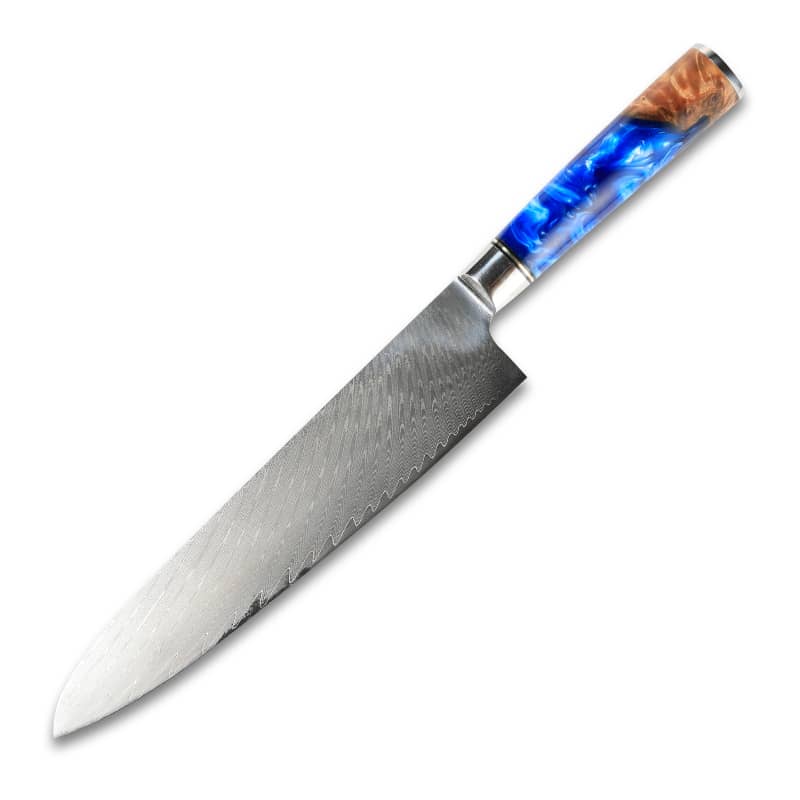
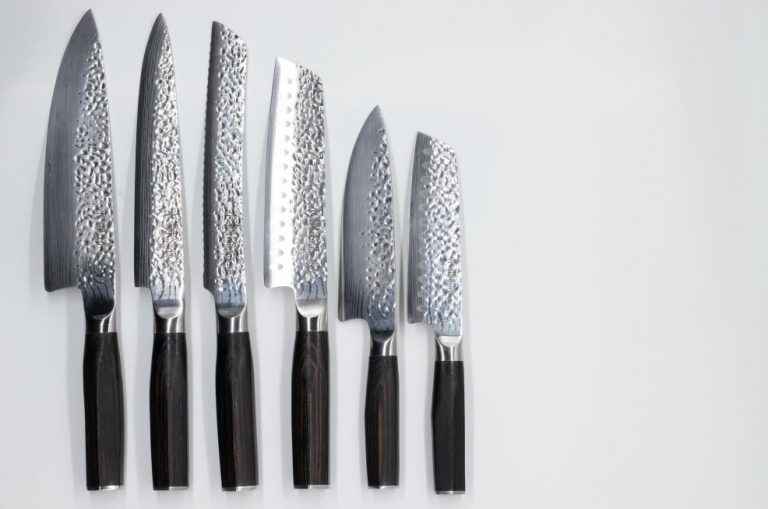
ダマスカスクラッド 9Cr18Mov オーバルスタビライズドウッド牛刀 240 mm LKJGY10007
9Cr18MoVは、コストと市場投入スピードが最優先事項の場合に最適な鋼材です。. 中国の工場から低MOQと短いリードタイムで広く入手できるため、新しいデザインをテストしたり、積極的な価格帯を打ち出したりするのに理想的だ。.
- マリン&フィッシング・ナイフ 9Cr18MoVは、コストが決め手となる場合にも使用できる。そのモリブデン含有量は塩水噴霧による孔食を防ぐのに役立ち、工場直販の価格設定は商業用漁具を手頃な価格に保つ。とはいえ、14C28Nの窒素強化不動態皮膜は、両鋼が同等の基準で熱処理された場合、日常的な湿気や塩分に対してより確実に抵抗するため、錆による保証クレームが問題となる海洋用途では、より安全で長期的な選択肢となる。.
- 格安キッチンセット も理にかなっている。小売目標が$20以下であれば、9Cr18MoVの低い材料費で利幅を確保できる。この鋼は、使用後に刃を拭いて乾燥させる家庭の料理人には十分です。.
- 販促・景品用ナイフ は、もうひとつの自然な故郷である。MOQは120個と低く、リードタイムは45日であるため、9Cr18MoVは長期的なエッジ性能よりも単価が重要なブランド商品に最適である。.
B2Bバイヤー向け: 9Cr18MoVは、漁業用/海洋用鋼として、またボリューム・ドライバーSKUとして位置づけられています。9Cr18MoVは、沿岸市場、熱帯気候、そして錆が敵となるあらゆる製品ラインにおいて勝利を収めます。.
14C28Nが優れている点
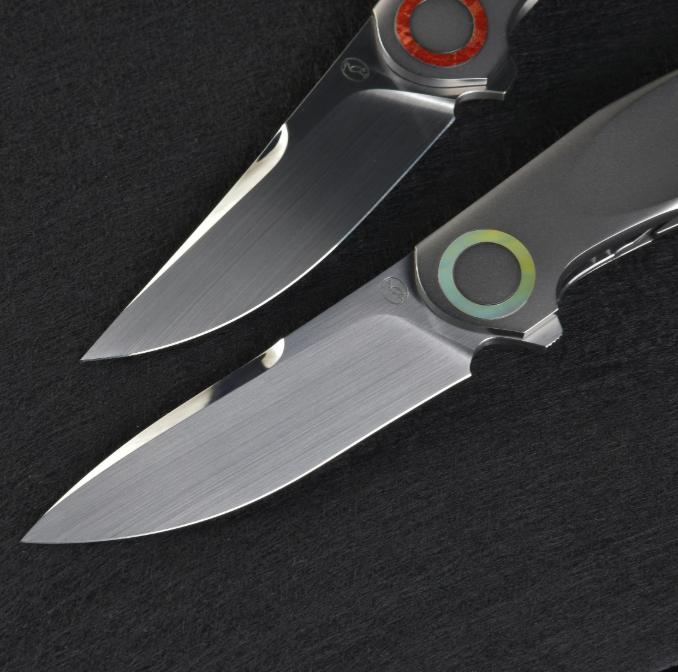
14C28Nは、耐腐食性、ユーザーエクスペリエンス、エッジの安定性、ブランドレピュテーションが売上げの原動力となる場合に最適な選択です。. 窒素で強化された微細構造と細かい砥粒により、プロの研ぎ技術を持たないエンドユーザーにも優しい。.
- EDCと折りたたみナイフ がスイートスポットです。14C28Nの強靭さは、パッケージをこじ開けたり、厚紙を切ったりしても欠けにくく、研ぎやすいプロファイルは、基本的な砥石でエッジを維持できることを意味します。これは、レビューやリピート購入の向上に直結します。.
- シェフナイフ、キッチンカトラリー 14C28Nも好評です。家庭のコックやプロは、夕食のフルサービスを通して切れ味が持続し、シフトの合間にも素早く復活するブレードを高く評価しています。拭き取りと乾燥が日常的な厨房では、わずかな腐食のトレードオフは無視できます。.
- ハンティング、キャンプ、マリンナイフ 14C28Nは耐欠損性と耐食性を兼ね備えています。バトニング、ロープ切断、ゲーム加工はエッジにストレスを与え、雨、血液、海水にさらされると表面にストレスを与えます。.
- 中堅製品ライン (小売価格$25-$50)は、14C28Nのプレミアムを正当化できる。スウェーデン鋼」のストーリーは、より高い価格設定をサポートし、性能差は顧客が気づくほど目に見える。.
B2Bバイヤー向け: 14C28Nをハンティング/キャンピング用スチールとして、また品質最優先のオプションとして位置づけてください。絶対的な錆びにくさよりも、刃先の性能とメンテナンスのしやすさが重要なEDC、キッチン、アウトドアのカテゴリーで勝利を収めます。.
コスト、サプライチェーン、OEMに関する考察
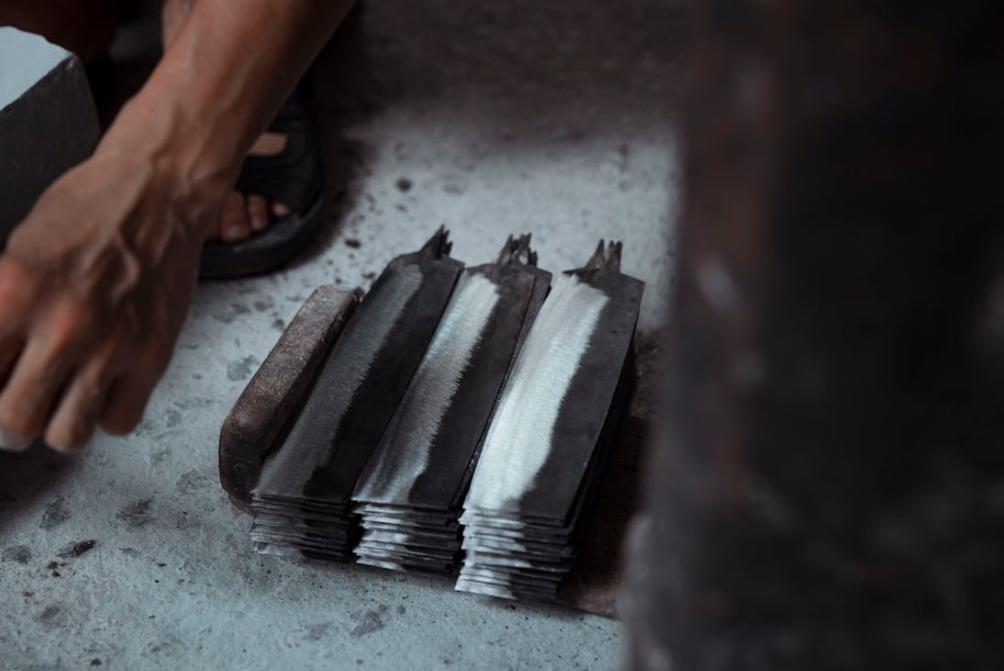
この2つの鋼材の間には、小売価格帯を決定するのに十分なほど大きな開きがある。一方、サプライチェーンの構造は、サンプルから生産にどれだけ早く移行できるかを決定する。.
サプライチェーンとリードタイム
9Cr18MoVは中国国内で生産されるため、リードタイムが短く、MOQが低い。. の工場 陽江 は社内に在庫を持ち、数日以内に生産を開始できる。一般的なリードタイムは500~1,000個で45~65日で、多くは500個以下のトライアルオーダーを受け付けている。.
14C28Nはスウェーデンから輸入する必要があるため、材料調達に2~4週間かかる。. アレイマは、コイルまたは矯正された長さの鋼材を、最大コイル重量5kg/mmで製造している。. 中国OEM 何年も輸入しているフォーラムでの議論を確認する 予算に有効活用 ポケットナイフ-しかし、国境を越えた物流は、リードタイムと最低注文数量を押し上げる。.
価格
9Cr18MoVは明確なコスト勝者であり、工場直販価格はユニットあたり$9.99-$12と低い。. アリババやメイド・イン・チャイナのようなプラットフォームでは、ロゴのカスタマイズを含めて120個という低いMOQがリストアップされている。.
14C28Nは、輸入鋼材のコストにより、かなりのプレミアムがつく。. 通常、$25~$50以上の小売層をターゲットにしているため、材料費の差でマージンが消えてしまう$20以下の製品ラインには適していない。.
熱処理と品質の安定性
14C28Nはより予測可能な熱処理結果を提供し、9Cr18MoVはより厳しいQCを必要とする。.
アレイマの公式データシートは、以下の温度で硬化させることを指定している。 1050 °C (1922 °CF) と 5分 保持し 油焼き入れ, また、組織目標(最適なオーステナイトの保持~)に結びついた焼戻し曲線を提供する。15 %).メーカーが公表しているこのレベルの工程詳細は、バッチ間のばらつきを減らし、スクラップ率を下げる。.
9Cr18MoVには世界標準がないため、工場間の硬度の一貫性はさまざまである。58-60HRCを確実に達成する中国メーカーもあれば、まったく的外れなメーカーもある。これは、9Cr18MoVラインのQC投資を、出荷前に規格外のブレードをキャッチするために、より高くする必要があるかもしれないことを意味する。.
B2B調達のすすめ
- 9Cr18MoVを選択 目標小売価格が$30以下の場合、60日以内に在庫が必要な場合、あるいは高級素材を採用する前に新しいデザインをテストする場合。.
- 14C28Nを選択 御社のブランドが$40-$80の小売セグメントをターゲットにしている場合、エンドユーザーの満足度を高めるためにリードタイムを長くする必要がある場合、あるいは高価格帯を正当化するために「スウェーデン・スチール」というマーケティング・ストーリーが必要な場合などです。.
- ハイブリッド戦略:卸売業者によっては、エントリーレベルのSKUに9Cr18MoVを、同じ製品群内の「プレミアム層」に14C28Nの両方を提供しています。これにより、金型投資を倍増させることなく、市場を最大限にカバーすることができます。.
結論あなたのナイフ・ラインにはどの鋼材が適しているか?
14C28Nはよりオールラウンドな刃物鋼であり、9Cr18MoVは価格に敏感な市場のためのより良い予算の選択肢である。. 正しい選択は、市場、マージン、顧客の期待によって決まる。.
14C28Nを選択 耐食性、刃先の安定性、研ぎやすさ、靭性を重視するお客様に。キッチン、EDCポケット、海洋環境、一般的な屋外での使用に優れており、「スウェーデン・スチール」のストーリーが中級クラスの価格設定を支えている。トレードオフは、高い材料費と輸入物流である。.
9Cr18MoVを選択 コスト管理や市場投入のスピードが優先される場合。$20以下の低予算ラインや、低いMOQで新しい設計をテストするためのデフォルトの選択肢です。トレードオフは、より硬いシャープニングと、より可変的な熱処理品質です。.
どちらのスチールも間違いではない。間違った選択とは、紙の上ではよく見えるが、顧客が喜んで支払うものと一致しないものを選ぶことである。.
LeeKnivesでナイフラインを構築する
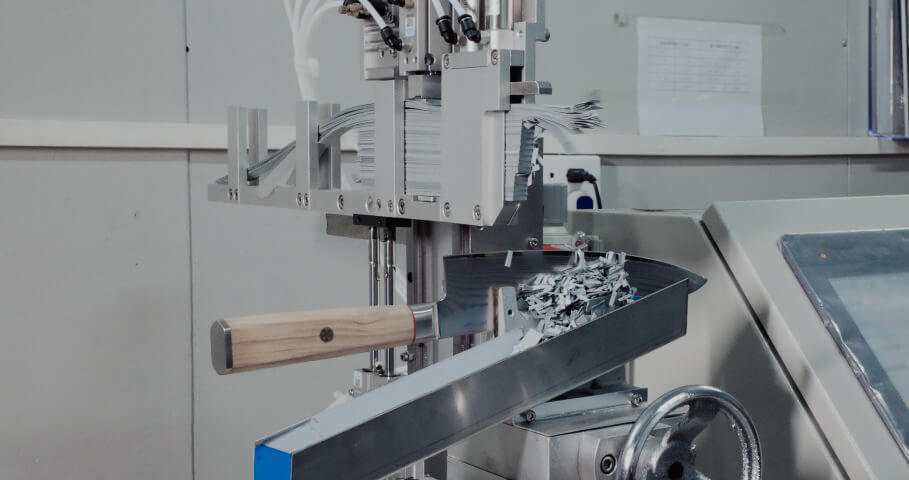
ほとんどの工場は、在庫があればどんな鋼鉄でも押しつける。. LeeKnives の生産ラインを稼働させている。 9Cr18MoVと14C28Nの両方 フルサービスを提供している。 OEM, ODM、 そして プライベートブランドナイフ製造 - そのため、私たちが推奨するスチールは、在庫を処分するのではなく、実際のパフォーマンスデータに基づいている。.
私たちと仕事をすることで得られるもの
- 実際の熱処理に関する専門知識. .私たちは、9Cr18MoVの58~60HRCを安定的に達成する焼入れ・焼戻しプロトコルと、14C28Nを最適なエッジ保持ゾーンまで押し上げる方法を正確に把握しています。そのため、あまり大きくないサプライヤーを沈没させるバッチ間のばらつきがなくなります。.
- 不偏的スチールマッチング. .私たちは1つの材料サプライヤーに縛られることがないため、私たちの利益ではなく、お客様の市場とマージンに合った鋼材をご案内します。.
- ひとつ屋根の下でエンド・ツー・エンド・コントロール. .原材料の調達から真空熱処理、ブレードの研磨、ハンドルの組み立て、カスタムパッケージングに至るまで、すべてがヤンジャン工場で行われています。下請け業者とのハンドオフもなく、品質のギャップもありません。.
- 工場出荷時の切り替えを必要としない柔軟なスケーリング. .9Cr18MoVのエントリー・レベル・ラインを低いMOQで立ち上げて需要をテストし、同じ金型と同じQCチームを使用して14C28Nのプレミアム層を追加する。.
鋼材の選択から当て推量を取り除く準備はできていますか? 無料見積もりをリクエスト 今すぐ、両方の鋼を実際に熱処理したことのあるLeeKnivesのスペシャリストにご相談ください。.
LeeKnivesでカスタムナイフラインをより早く立ち上げましょう
設計から最終出荷まで、OEM/ODM の完全なサポートにより、成長に集中できます。
米国の倉庫に保管されているため、迅速で信頼性の高い配送が可能です。
よくある質問
14C28Nは錆びますか?
はい、でもゆっくりです。14C28Nは13.5%のクロムを含むステンレス鋼なので、通常の環境では錆びにくい。しかし、9Cr18MoVほどの耐食性はなく、海水や酸性の環境で長時間濡れたままにしておくと、シミになったり穴が開いたりします。.
9Cr18MoVはナイフに適しているか?
9Cr18MoVは、刃先の保持性よりも耐食性とコスト管理が重視される低価格帯や中価格帯のナイフに適した素材です。中国製のキッチンナイフ、EDCフォルダー、マリンツールなどに広く使用されている。.
14C28N鋼はナイフの刃に適していますか?
14C28Nはサンドビック社によってナイフ用に特別に開発されたもので、刃先の保持力、靭性、研ぎやすさのバランスが優れています。Kershawのような主要ブランドは、複数の製品ラインで使用しています。.
エントリーレベルからミッドレンジの上位に位置する。S30V、M390、MagnaCutのような真の高級鋼は、コストがかなり高く、刃先の保持力と耐摩耗性で14C28Nを上回る。とはいえ、14C28Nは価格以上のパンチ力がある。.
14C28N鋼の欠点は何ですか?
その主な欠点は、9Cr18MoVのような高クロム鋼に比べて耐食性が低いこと、スウェーデンからの輸入調達のため材料費が高いこと、湿潤環境ではよりこまめなメンテナンスが必要なことである。.




 JA
JA  EN
EN  DE
DE