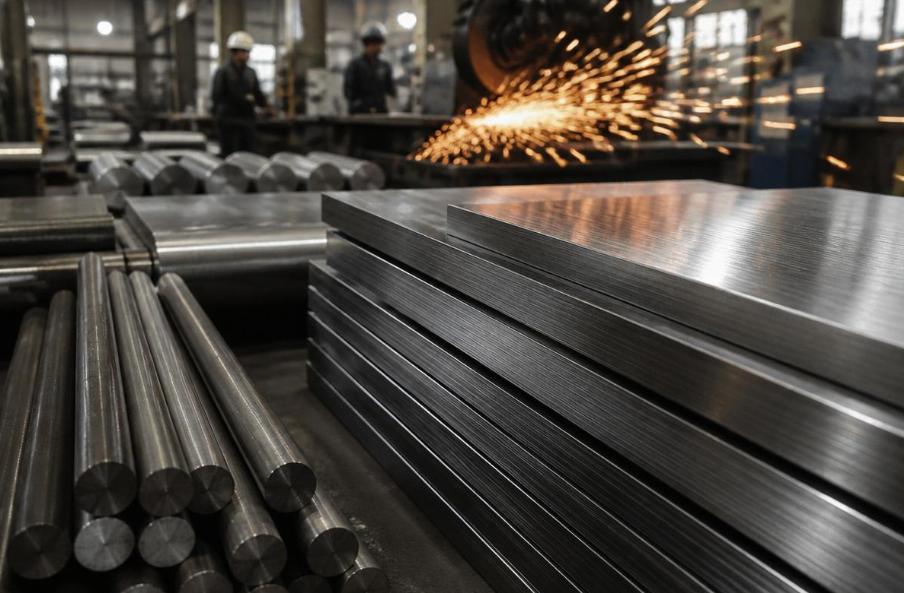
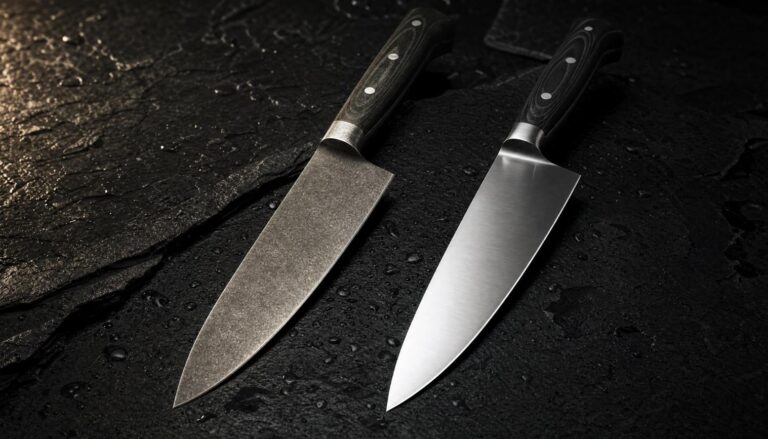
AR-RPM9と154CMは、ナイフメーカーの間で注目を集めている2つのステンレス鋼です。154CMは長い間、高級ライン用の高級アメリカ鋼でしたが、AR-RPM9は競争力のある性能を持つ費用対効果の高い代替鋼として登場しました。.
154CMスチール は、Crucible Industries社によって開発され、熱処理後に58~61HRcに達します。対照的に、AR-RPM9は同等の硬度と耐食性を備えており、小売業者は顧客のために品質を犠牲にすることなく、予算に見合った選択肢を得ることができます。.
どの鋼材が貴社の製品ラインに最も適しているか、お悩みですか?それぞれの鋼材の組成、特性、そして貴社のターゲット市場に最適な使用例をご覧ください。.
重要なポイント
- パフォーマンス 154cm はエッジの保持力と耐摩耗性に優れ、酷使に耐える。. AR-RPM9 は耐食性に優れ、エンドユーザーにとって研ぎやすい。.
- 冶金: AR-RPM9は、手頃な価格のステンレス鋼で、次のように販売されている。 粉末冶金, しかし、独自のテストでは、スプレー・フォーム技術が有効であることが示唆されている。. 154cm は、クルーシブル・インダストリーズ社(米国)の、長い歴史を持つ高級従来鋼である。.
- コストとリードタイム: AR-RPM9 は 30-45% より安い 154CMに比べ、国内でのリードタイムが短く(2-4週間)、輸入関税や高い運賃を避けることができる。.
- 戦略的ポジショニング: 使用 154cm アメリカン・スタンダード “のブランド価値を活用するために、プレミアム・フラッグシップ・モデルに用途 AR-RPM9 中価格帯でパウダースチールの性能を要求する大量生産バリューライン向け。.
鉄鋼の背景と開発の歴史
これらの鋼材がどこから来たのかを理解することは、バイヤーや小売業者がその価値ストーリーを伝えるのに役立つ。154CMとAR-RPM9の起源は、全く異なる2つの冶金的伝統を反映している。.
154CM:アメリカのベンチマーク
154CMは、1970年代にクルーシブル・インダストリーズ社がジェットエンジンのタービンブレード用に開発した高性能ステンレス鋼です。硬度、耐食性、靭性のバランスが非常に優れているため、カスタムナイフメーカーの注目を集めました。.
1980年代までには、ベンチメイドやエマーソンナイフなどの企業が154CMを主要なブレード素材として採用し、プレミアムナイフ市場での名声を確固たるものにした。本質的には 440C ステンレス鋼のモリブデン含有量を大幅に増やし、エッジ保持性能を一変させた。.
小売業者にとって、「154CM」という名前は何十年にもわたって消費者の信頼を支えてきました。顧客はこの名前を、実績のあるアメリカン・スタンダードとして認識し、マーケティングを簡素化し、プレミアム価格を正当化します。.
AR-RPM9:新たなコンテンダー
AR-RPM9は、2010年代後半に拡大する中国のステンレス鋼産業から、欧米の中級鋼への直接的な対抗策として生まれた。開発したのは 陽江エリア のような輸入鋼に代わるコスト効率の良い代替鋼を提供しようとしている。 D2.
この鋼が欧米で注目されるようになったのは、主にCiviviやWE Knifeなど、$100以下のフォルダーに信頼性の高い刃材を必要としていた中国ブランドが採用したことによる。のような格安鋼の中間に位置する。 8Cr13MoV のようなプレミアム輸入品もある。 S30V, AR-RPM9は、かつて154CMがその価格が上昇する前に占めていた「バリューステンレス」のニッチを埋める。.
卸売業者にとって、AR-RPM9は、クルーシブル鋼のようなブランド認知度がないため、顧客に対する教育が必要ではあるが、高品質のステンレス刃物を大幅に低い材料費で調達するチャンスである。.
AR-RPM9 vs 154CM:化学組成の比較
下表は両鋼を並べたもので、メーカーや冶金学者が合金化戦略を素早く評価できるようになっている。.
| 要素 | AR-RPM9 | 154cm | パフォーマンスへの影響 |
|---|---|---|---|
| 炭素(C) | 0.90% | 1.05% | 154CMがわずかに有利。 |
| クロム(Cr) | 18.00% | 14.00% | AR-RPM9の高Cr化により耐食性が大幅に向上 |
| モリブデン(Mo) | 1.00% | 4.00% | 154CMの4% Moは、エッジ保持のための優れた硬質炭化物を生成します。 |
| マンガン(Mn) | 0.45% | 0.50% | 熱処理時の焼入れ性も同レベル |
| シリコン(Si) | 0.30% | 0.30% | どちらも脱酸素剤としてSiを同程度の量使用している |
| バナジウム(V) | 0.10% | – | AR-RPM9のトレースVは粒構造をわずかに微細化する。 |
| リン(P) | ≤0.03% | ≤0.03% | もろさを防ぐため、どちらも低めに抑えられている。 |
| 硫黄(S) | ≤0.03% | ≤0.03% | 低硫黄により加工性と靭性が向上 |
データソースAR-RPM9 ナイフスチールオタク; 154CM SB スペシャリティ・メタルズ
B2Bバイヤーのためのクリティカルノート:実際の成分組成を確認するため、必ずサプライヤーにミルテスト証明書(MTC)を要求してください。バッチ間のばらつきは、確立されたクルーシブル製品よりも新しい中国鋼でよく見られます。サプライヤーがMTCを提供できない場合は、品質の一貫性に関して赤信号と考えてください。.
AR-RPM9 vs 154CM:スチール特性の比較
硬度
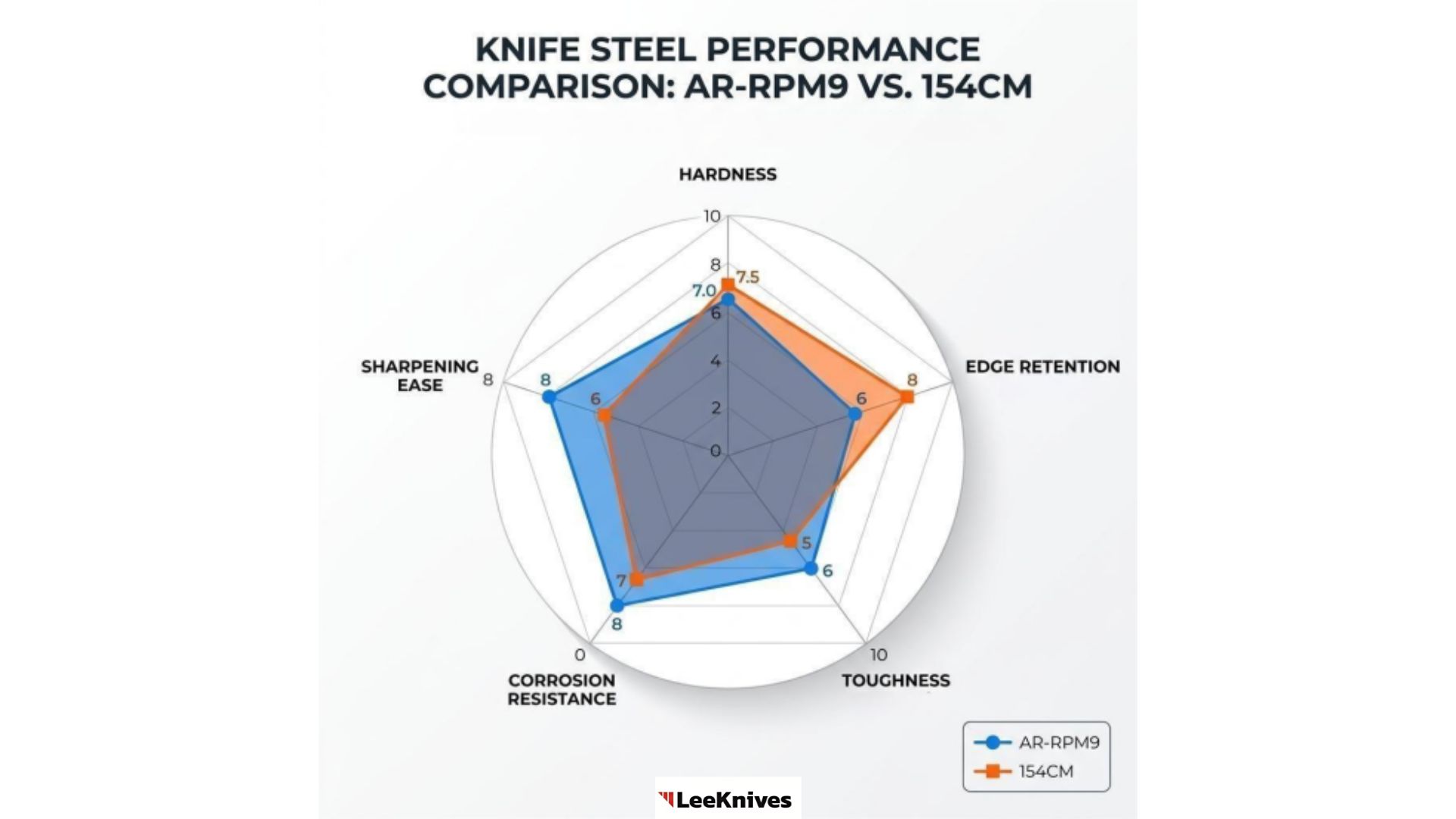
硬度は、ブレードがどの程度変形に耐え、ストレス下でエッジを維持するかを決定する。AR-RPM9と154CMは、同じような硬度を達成しています。 ロックウェル硬度, 適切な熱処理を施すと、通常58~61HRcになる。.
ナイフ・メーカーにとって、これはどちらの鋼も同等の硬度に熱処理できることを意味する。しかし、154CMはアメリカでの供給チェーンが確立されており、熱処理プロトコルが洗練されているため、この範囲の高い方を安定して達成できることが多い。.
耐食性
耐食性とは、鋼材が湿気の多い環境や濡れた環境で、錆や酸化にどれだけ耐えられるかを示すものです。AR-RPM9に含まれる18%のクロムは、14%のクロムを含む154CMよりわずかに優れています。.
包丁や船舶用には、AR-RPM9の方が湿気や酸性食品に対する保護性能が高い。しかし、154CMは、特にユーザーが基本的なメンテナンスを行う場合、ほとんどの日常的な使用には十分な性能を発揮します。耐食性を最優先するのであれば、湿度の高い市場ではAR-RPM9の方が適しています。.
エッジ保持
刃の保持力とは、研ぎ直しの間に刃が切れ味を保つ時間のことです。非常に硬い炭化物を作り出す4%モリブデン含有量のおかげで、154CMが優れていることが証明されています。.
AR-RPM9は、一般的なユーティリティナイフやEDCナイフに適した適度な刃持ちを実現します。切れ味が長持ちすることを求めるプロフェッショナル・ユーザーをターゲットとする卸売業者にとって、154CMはその高い材料費を正当化するものです。小売業者は、154CM製品をプレミアム製品として位置づける一方、AR-RPM9をバリュー重視のラインに使用することができます。.
強靭さ
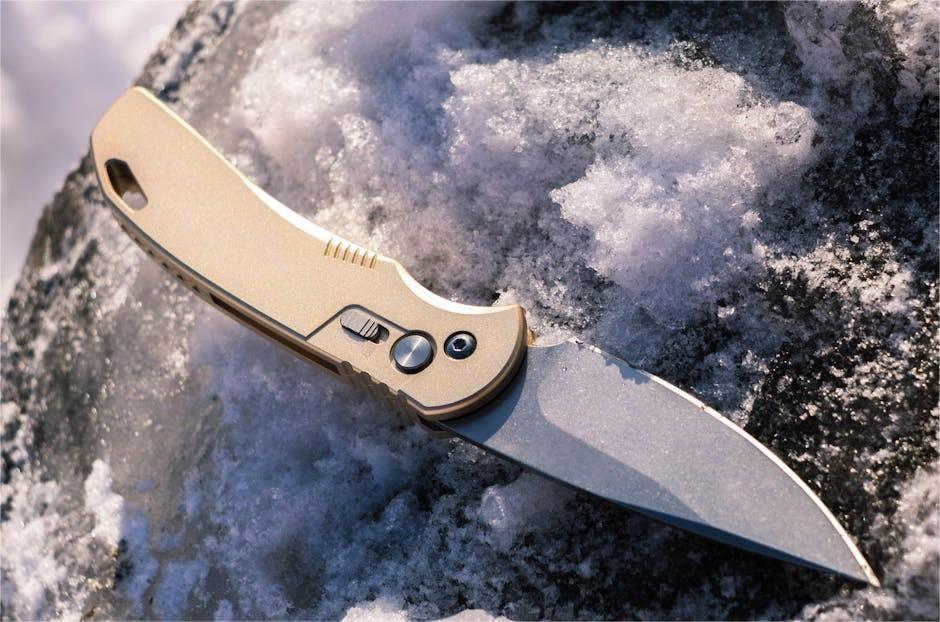
靭性とは、欠けたり割れたりすることなく衝撃を吸収する鋼の能力を示す。AR-RPM9は、炭素含有量が低く、結晶粒組織が細かいため、154CMよりわずかに優れた靭性を示します。.
キャンプ・ナイフやタクティカル・ナイフのようなヘビーデューティー用途では、AR-RPM9は刃欠けに対する耐性が向上しているため、実用的な選択肢となる。ナイフの小売業者は、154CMがエッジ保持に優れている一方で、ユーザーは損傷を防ぐために、こじったり、バトニングを避けるべきであることを顧客に教育すべきである。.
耐摩耗性
耐摩耗性とは、鋼材が切削中の摩耗にどれだけ耐えられるかを表す。154CMは、AR-RPM9に比べ、炭化モリブデン量が多いため、耐摩耗性に優れています。.
段ボール加工や繊維質材料のような厳しい切断環境では、154CMのブレードは形状をより長く維持します。卸売業者にとって、これはプロ仕様の工具に対する保証クレームの減少につながります。AR-RPM9は、極端な耐摩耗性がそれほど重要でない一般消費者向けの用途には十分です。.
AR-RPM9は、154CMよりも明らかに研ぎやすくなっています。AR-RPM9は、154CMよりも明らかに研ぎやすく、より少ない時間とより少ない攻撃的な砥粒を必要とします。.
これは顧客にとって、メンテナンスのハードルが低くなり、エントリーからミドル・レベルの製品の満足度が高まることを意味します。AR-RPM9ナイフを販売する小売店は、ユーザーフレンドリーなメンテナンス・プロフィールを強調することができ、154CM製品は、バンドルされた研ぎサービスやダイヤモンド砥石の推奨によって利益を得ることができます。.
サプライチェーンとコスト分析
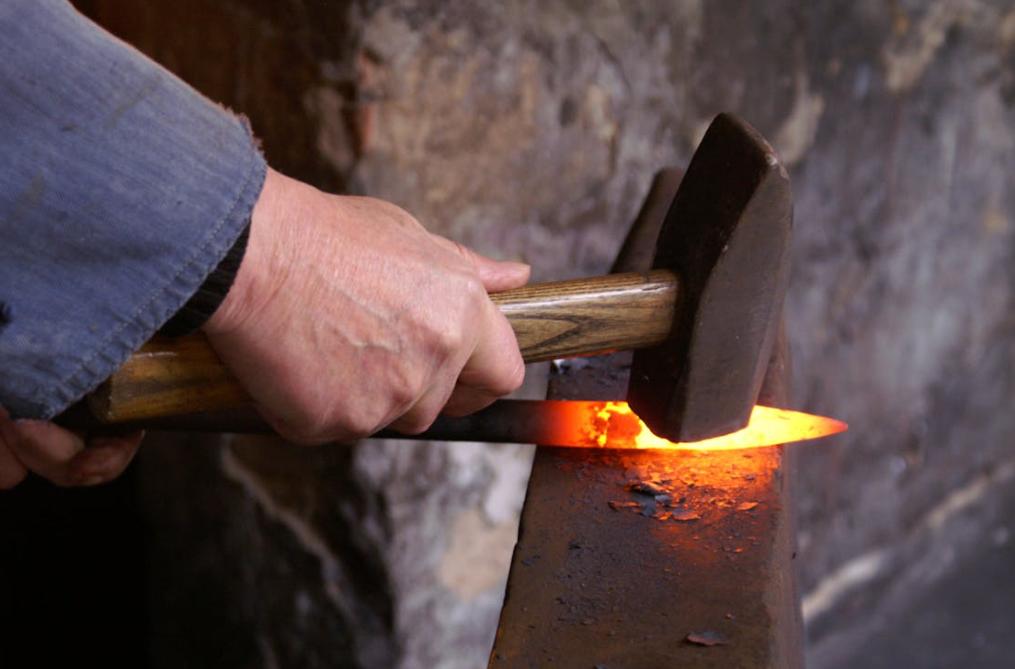
卸売業者やOEMバイヤーにとって、冶金学的性能は方程式の半分に過ぎない。生産計画を立てる際には、材料の入手可能性、価格の安定性、ロジスティックスも同じくらい重要です。.
原材料費
AR-RPM9 通常コスト 30-45%未満 ビレット・レベルでは154CMよりも高い。154CMはすべて中国国内のサプライチェーンで生産されるため、輸入関税、海上運賃、為替変動による値上げを回避できる。.
154cm は、その組成だけでなく、ブランド価値によってプレミアムがつく。クルーシブル・ライセン スによる生産には、中国の代替品にはないロイヤリ ティーや認証コストがかかる。北米のメーカーにとっては、中国産鉄鋼への関税がこのギャップを縮めることもある。.
熱処理・加工
どちらの鋼材も、宣伝されている硬度範囲に達するには専門的な熱処理が必要である。しかし, 154CMは熱処理プロトコルに敏感なことで知られている。. .60-61HRcを達成するには、正確な温度管理と極低温処理が必要です。一貫性のない熱処理は、格安の154CMナイフが性能を発揮できない唯一最大の理由である。.
AR-RPM9は一般的に寛容である。 を標準的な生産環境で使用することができる。中国のOEMは、この鋼の熱処理を大規模に合理化し、不合格率を下げ、大量注文の単価を抑えている。.
ソーシングの信頼性とリードタイム
| 要素 | AR-RPM9 | 154cm |
|---|---|---|
| 一次資料 | 中国(陽江地域) | アメリカ(クルーシブル/ラトローブ) |
| 最小発注単位 | 500~1,000台 | 300~500ユニット |
| リードタイム | 2~4週間(国内CN) | 4~8週間(輸入) |
| 価格変動 | 低・中程度 | 中程度(合金サーチャージ) |
| 関税 | 低い(国内で調達した場合) | 鉄鋼関税の対象 |
バイヤーにとっての結論
もし、あなたが 利幅の狭い価値重視の製品ライン, AR-RPM9は、魅力的なユニット経済性と短いリードタイムを提供します。ターゲット 鋼材を名指しで求めるプレミアム消費者, 154CMのブランド認知度は、追加コストを正当化する。多くの成功している卸売業者は、フラッグシップ・モデルには154CMを使用し、ボリューム・ドライバーにはAR-RPM9を使用しています。.
AR-RPM9 vs 154CM:製品ライン戦略
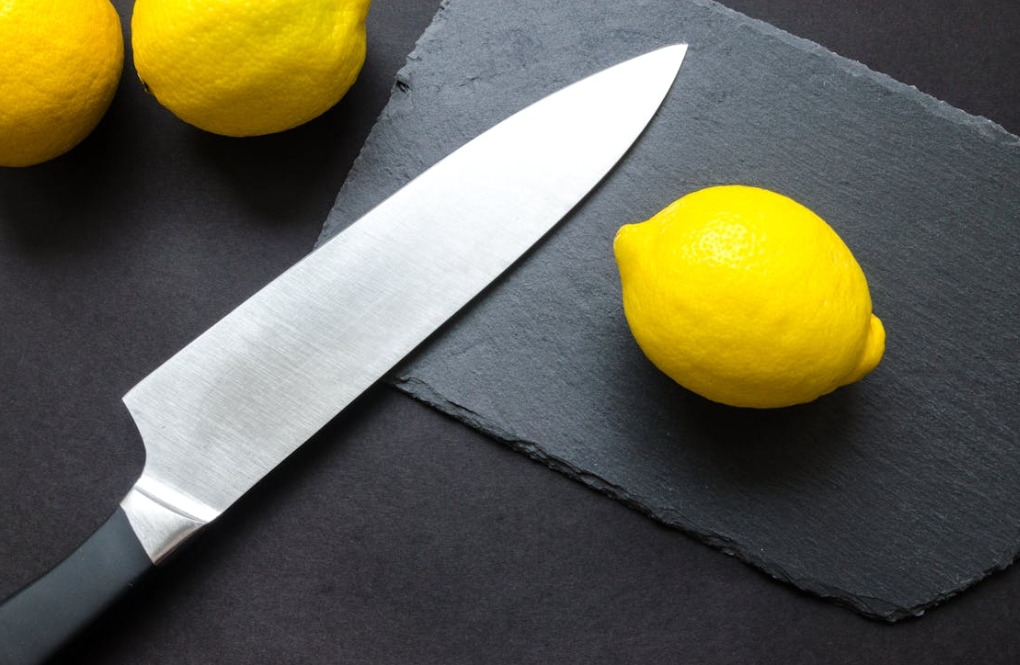
使用 154cm スチールの名前そのものが購入の決め手となるモデルの場合。.
- 理想的なモデル:限定版フォルダー、プロフェッショナル・シェフ・ナイフ、タクティカル・ブレード
- マーケティング・フック:「クルーシブル・アメリカン・スチール“ ”ベンチメイドとエマーソンが証明“
- 対象顧客:血統を求める愛好家、専門家、ギフトバイヤー
154CMは、ブランド認知によってプレミアム価格を正当化する。マーケティング・チームがバイヤーを教育する必要はない。.
ボリューム/バリュー・ティア($30-60小売)
使用 AR-RPM9 高回転SKUの場合、鋼鉄の自画自賛よりも利幅と低リターンが重要である。.
- 理想的なモデル:EDCフォルダー、キッチン・ユーティリティ・ナイフ、アウトドア用フィックスド・ブレード
- マーケティング・フック:“船舶用ステンレス”、“数時間ではなく数分で研げる”
- 対象顧客:初回購入者、カジュアルユーザー、沿岸/海洋市場
AR-RPM9の耐腐食性は、湿度の高い地域での保証クレームを軽減します。その簡単なシャープニングは、ダイヤモンド砥石やシャープニングのスキルがないエントリーレベルのユーザーの障壁を低くします。.
ハイブリッド・アプローチデュアル・スティール・カタログ
最も成功している卸売業者は、明確な役割分担のもと、両方の鋼を扱っている。.
テーブル
| 役割 | 鋼鉄 | 関数 |
|---|---|---|
| ヒーローSKU | 154cm | プレミアムラインを支え、ブランドの信頼性を高める |
| ボリュームドライバー | AR-RPM9 | 回転を速め、売上原価を下げることで、キャッシュフローを賄う |
| エントリーゲートウェイ | AR-RPM9 | 初回購入者を獲得し、後に154CMにアップセルする |
実行のヒント:最大限のエッジ保持力が必要ですか?154CMをお選びください。湿度の高い気候で低メンテナンスが必要ですか?AR-RPM9をお選びください。これにより、顧客の迷いやサポートに関する問い合わせを減らすことができます。.
論争と買い手注意
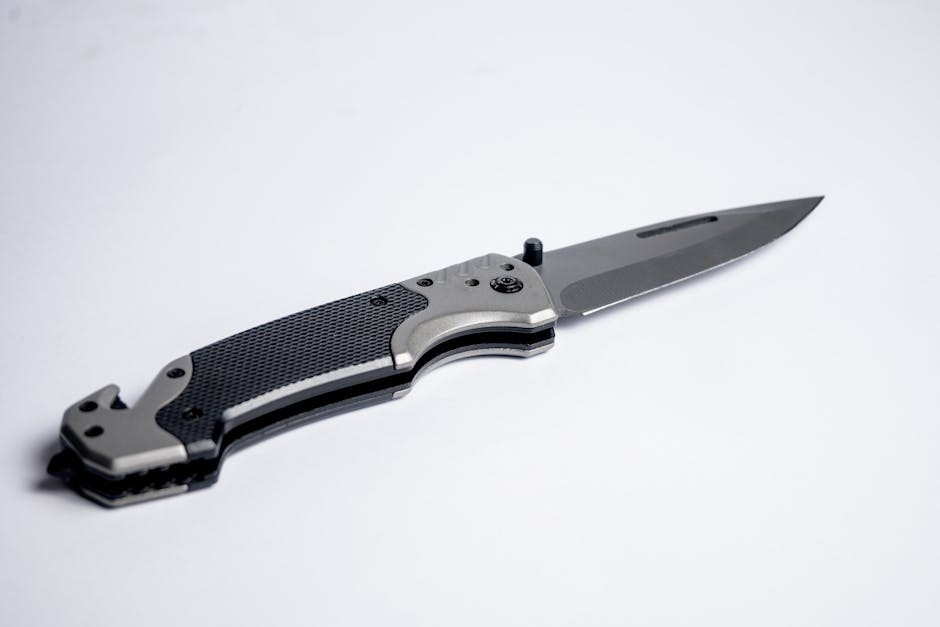
鋼鉄の比較は、新規参入者と経験豊富なバイヤーの両方をつまずかせる業界の議論や一般的な誤解に対処することなしに完全ではありません。.
AR-RPM9の「PM」問題
AR-RPM9は 粉末冶金鋼ではない. .による独自のテスト ナイフスチールオタク を使用していることを確認した。 スプレーフォーム CPM-154、S30V、またはS30Vに使用されるガスアトマイズと熱間静水圧プレス(HIP)ではなく、従来の鋳造と真のPMの中間プロセスである。 マグナカット.
この混乱は、Artisan Cutleryが2020年に発表したマーケティングで、“粉末冶金法 ”と説明したことに起因している。Spray Formは溶鋼に窒素を吹き付けるが、真のPM鋼を定義するHIP圧密工程を欠いている。微細構造分析では、CPM鋼種の微細な球状炭化物ではなく、スプレイ・フォームと一致する細長い炭化物が見られる。.
小売業者向け:AR-RPM9の市場 よくできたコンベンショナル・ステンレス, PM鋼ではない。この鋼種を誤って表示することは、情報通の顧 客から反発を受け、信頼を損なうリスクがある。PM鋼は炭化物組織が微細であるため、割高な価 格で取引される。AR-RPM9 は、CPM鋼種と組織的に同等 ではなく、価値で競争している。.
154CM熱処理のばらつき
154CMの名声は、厳格な熱処理を行うカスタムナイフメーカーによって築かれた。大量生産では、一貫性を保証することは難しい。.
我々は、154CMブレードのテストを見てきた。 54~61 HRC メーカーの規律による。54HRCではエッジ保持力が急激に低下し、鋼は “ガミー ”に感じられる。極低温処理を施した61HRCでは、そのポテンシャルをフルに発揮する。.
卸売業者にとって、これは次のことを意味する。 ベンダー選びが重要 154CM製品を調達する場合メーカーにお尋ねください:
- 目標とする硬度の範囲は?
- 極低温処理をしているのか?
- バッチ硬度試験報告書を提出できますか?
154CMの見積もりが異常に安いと感じたら、熱処理が手抜きである可能性が高い。.
結論あなたの包丁店では、どちらの鋼材が良いだろうか?
エッジの保持と耐摩耗性は、154CMが要求の厳しいユーザーにとってより優れたスチールであることを証明するところです。その4%モリブデン含有量は、長時間の使用にも切れ味を維持する硬い炭化物を作り出し、プロや愛好家をターゲットとしたプレミアム製品ラインに理想的です。.
しかし、AR-RPM9の改善された耐腐食性と研ぎやすさは、メンテナンスの少ない刃物を求める顧客にとって大きな違いとなる。小売業者にとって、AR-RPM9は、日常のユーザーを満足させるコア性能を犠牲にすることなく、ミッドレンジ・セグメントに魅力的なマージンの機会を提供する。.
価格的には、AR-RPM9の方が154CMより30-45%安い。とはいえ、ほとんどの店では、154CMをプレミアム商品として、AR-RPM9をバリュー・リーダーとして、両方を扱うことで利益を得ている。.
LeeKnivesでナイフビジネスを拡大しよう
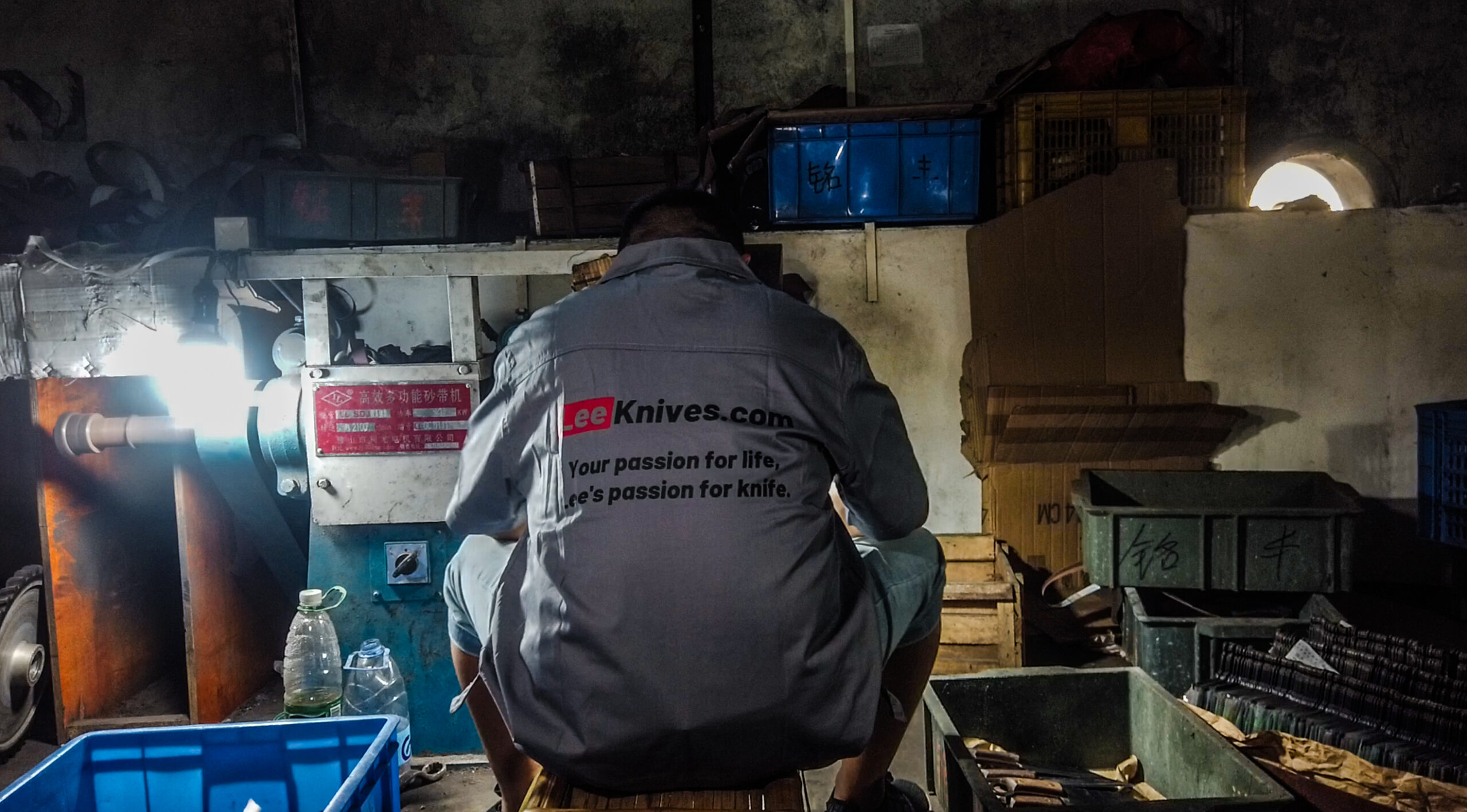
伝統的な154CMと革新的なAR-RPM9のどちらを選ぶかは、ブランドのポジショニングとターゲット・マージンによります。しかし、どちらのスチールを選ぶにせよ, 製造の一貫性こそ、真の契約違反である。.
で LeeKnives, 当社は、数十年にわたる冶金学の専門知識と世界トップクラスの技術力を兼ね備えています。 OEM/ODM 貴社の製品ラインを際立たせるためのサービス.
- 硬度保証: すべてのロットは58-61HRCのスイートスポットに当たるようにテストされている。.
- B2BフレキシブルMOQ: ブティック・ブランドから量販店まで、生産量を最適化。.
- グローバル・ロジスティクス・サポート: 私たちが複雑な作業を行いますので、お客様は営業に専念していただけます。.
ナイフの製品ラインを拡大する準備はできていますか? 無料見積もりをリクエスト AR-RPM9または154CMナイフの要件については、今すぐ営業チームにお問い合わせください。.
LeeKnivesでカスタムナイフラインをより早く立ち上げましょう
設計から最終出荷まで、OEM/ODM の完全なサポートにより、成長に集中できます。
米国の倉庫に保管されているため、迅速で信頼性の高い配送が可能です。
よくある質問
AR-RPM9スチールは誰が製造しているのか?
AR-RPM9は中国の揚江地域の製鋼所で生産され、主にArtisan Cutleryとその子会社ブランド(CJRB、Civivi、WE Knife)で流通しています。AR-RPM9は、154CMのような単体の商業用鋼材としては入手できず、通常、OEMナイフ製造パートナーシップを通じて調達される。.
AR-RPM9はD2スチールより優れていますか?
それはあなたの優先順位による。AR-RPM9が提供するもの はるかに優れた耐食性 (ステンレスとセミステンレスの比較では)研ぎやすく、EDCに最適である。 包丁 湿度の高い環境で。.
D2は以下を提供する。 優れたエッジ保持性と耐摩耗性 炭素とクロムカーバイドの量が多いため、メンテナンスなしでは錆びてしまい、研ぐのに手間がかかる。カジュアルユーザーをターゲットにした格安フォルダーにはAR-RPM9が無難な選択であり、ドライコンディションでハードに使用するツールにはD2が勝る。.
AR-RPM9のスチールは錆びますか?
AR-RPM9は、18%クロムの含有により耐食性に優れていますが、次のような特徴があります。 錆びない. .通常のEDCやキッチンでの使用では、汚れや孔食によく耐える。しかし、海水や酸性の食品に長時間さらされたり、放置(濡れたまま何日も保管)されたりすると、最終的に表面が腐食する可能性があります。.
船舶や食品サービス用途では、基本的なメンテナンス(使用後の水洗いと乾燥、時折の注油)により、AR-RPM9ブレードは常にきれいな状態に保たれます。.
そう、154CMは アッパー・ミドル~プレミアム・ティア の ナイフ鋼. .1970年代にクルーシブル・インダストリーズ社によって開発されたこのナイフは、カスタムナイフやプロダクションナイフ(ベンチメイド、エマーソン、ヒンデラー)において、数十年にわたる実績がある。.
4%のモリブデン含有量は、「スーパースチール」ではないが、高い価格設定に見合う優れたエッジ保持力を発揮する。 S35VN または M390. .メーカーにとっては、154CMは愛好家に品質を示すものであり、小売店にとっては、$80-150の価格ポジショニングをサポートするものである。.
154CM鋼は研ぎにくい?
154CMは 適度に研ぎにくい AR-RPM9のような柔らかいステンレス鋼や 420HC. .その高いモリブデン炭化物は磨耗に耐えるため、標準的なアルミナ砥石はゆっくりと働きます-効率的な再フィリングにはダイヤモンドまたはCBN砥石をお勧めします。.
一旦研げば、154CMの切れ味は格段に長持ちします。研ぎ経験のないエンドユーザーにとっては、AR-RPM9はより寛容であり、適切な砥石を持つ愛好家にとっては、154CMはその努力に報いるものです。.
154CMはもろいですか、欠けやすいですか?
154CMは 本質的に脆くない, しかし、その靭性は卓越しているというよりは中程度である。60~61HRCで適切な低温処理を施せば、通常の切削には十分対応できる。しかし、こじったり、バトニングしたり、硬い表面に落としたりといった横方向の応力は、刃先のマイクロ・チッピングを引き起こす可能性がある。.
AR-RPM9は、炭素含有量が低く、粒組織が細かいため、乱暴な扱いにもよく耐えます。衝撃を受けるタクティカルナイフやキャンピングナイフにはAR-RPM9がより安全で、精密切削工具には154CMの刃先安定性が優れています。.
154CMは錆びますか?
154CMは放置すると錆びますが、炭素鋼よりは耐食性に優れています。14%のクロムは一般的なEDCでの使用には十分な保護力を発揮しますが、AR-RPM9(18% Cr)やLC200Nのような真のマリングレードステンレスには及びません。.
湿度の高い気候や海水周辺では、154CMは基本的なお手入れが必要です:使用後は水分を拭き取り、定期的に軽いオイルを塗り、長時間の湿気は避けてください。沿岸地域のバイヤーには、AR-RPM9がよりメンテナンスフリーを実現します。.
154CMとナイトロV、どちらのスチールが良いですか?
ニトロV は154CMの設計思想を現代的に進化させたものである。ニュージャージー・スチール・バロン社によって開発されたニトロVは、配合に窒素を加え、同等の硬度を保ちながら耐食性と刃先の安定性を向上させている。.
実際には、ニトロVの方が154CMよりわずかに強靭で錆びにくく、エッジの保持力も同程度である。しかし、154CMの方がブランド認知度が高く、サプライチェーンも確立されている。154CM “が売れている市場では、実績のあるニトロVにこだわるべきだろう。.
154CM鋼はS35VN鋼より優れていますか?
いいえ S35VNは客観的に優れている は、刃先の保持力、靭性、耐食性に優れています。ニオブとバナジウムの炭化物を含むクルーシブル「スーパースチール」として、S35VNは事実上すべての指標で154CMを凌ぐ。.
トレードオフはコストだ:S35VNブレードは通常、40~60%高く販売されている。S35VNブレードは、通常40~60%高く販売される。154CMは、プレミアム領域に入ることなく価格を正当化する性能を必要とするミッドレンジ・ライン向けの、よりスマートな選択であることに変わりはない。154CMをBMWの3シリーズ、S35VNをM3と考えると、どちらも優れているが、予算は異なる。.




 JA
JA  EN
EN  DE
DE