AR-RPM9 und 154CM sind zwei rostfreie Stähle, die bei Messerherstellern immer mehr Beachtung finden. Während 154CM seit langem ein amerikanischer Premium-Stahl für hochwertige Messerserien ist, hat sich AR-RPM9 als kostengünstige Alternative mit konkurrenzfähiger Leistung etabliert.
154CM Stahl wurde von Crucible Industries entwickelt und erreicht nach der Wärmebehandlung 58-61 HRc. Im Gegensatz dazu bietet AR-RPM9 eine vergleichbare Härte und Korrosionsbeständigkeit, was den Einzelhändlern eine budgetfreundliche Option bietet, ohne dass ihre Kunden auf Qualität verzichten müssen.
Sie fragen sich, welcher Stahl am besten zu Ihrer Produktlinie passt? Lesen Sie den Rest, um die Zusammensetzung, die Eigenschaften und die idealen Einsatzmöglichkeiten für Ihren Zielmarkt zu erfahren.
Wichtige Erkenntnisse
- Leistung: 154 cm bietet überragende Kantenstabilität und Verschleißfestigkeit bei starker Beanspruchung. AR-RPM9 bietet eine bessere Korrosionsbeständigkeit und ist für den Endverbraucher viel einfacher zu schärfen.
- Metallurgie: AR-RPM9 ist ein preisgünstiger rostfreier Stahl, der als Pulvermetallurgie, obwohl unabhängige Tests die Spray-Form-Technologie nahelegen. 154 cm ist ein bewährter, hochwertiger konventioneller Stahl von Crucible Industries (USA).
- Kosten und Vorlaufzeit: AR-RPM9 Ist 30-45% billiger als 154CM und bietet kürzere Vorlaufzeiten im Inland (2-4 Wochen) und vermeidet Einfuhrzölle und hohe Frachtkosten.
- Strategische Positionierung: Verwenden 154 cm für Premium-Flaggschiff-Modelle, um den Wert der Marke “American Standard” zu steigern. Verwenden Sie AR-RPM9 für hochvolumige, hochwertige Linien, die Pulverstahlleistung zu mittleren Preisen verlangen.
Hintergrund und Entwicklungsgeschichte von Stahl
Zu wissen, woher diese Stähle kommen, hilft Einkäufern und Einzelhändlern, ihre Wertvorstellungen zu vermitteln. Die Ursprünge von 154CM und AR-RPM9 spiegeln zwei sehr unterschiedliche metallurgische Traditionen wider.
154CM: Der amerikanische Maßstab
154CM wurde in den 1970er Jahren von Crucible Industries als rostfreier Hochleistungsstahl entwickelt, der ursprünglich für Turbinenschaufeln von Düsentriebwerken gedacht war. Seine außergewöhnliche Ausgewogenheit von Härte, Korrosionsbeständigkeit und Zähigkeit erregte schnell die Aufmerksamkeit von Messermachern.
In den 1980er Jahren hatten Unternehmen wie Benchmade und Emerson Knives 154CM als Klingenmaterial für sich entdeckt und damit seinen Ruf auf dem Markt für Premiummesser gefestigt. Es ist im Wesentlichen eine verfeinerte Weiterentwicklung von 440C rostfreier Stahl mit deutlich erhöhtem Molybdängehalt, der die Kantenfestigkeit verbessert.
Für Einzelhändler ist der Name “154CM” mit jahrzehntelangem Vertrauen der Verbraucher verbunden. Ihre Kunden erkennen ihn als bewährten amerikanischen Standard an, was die Vermarktung vereinfacht und Premiumpreise rechtfertigt.
AR-RPM9: Der neue Herausforderer
AR-RPM9 entstand Ende der 2010er Jahre in Chinas expandierender Edelstahlindustrie als direkte Antwort auf westliche Mittelklasse-Stähle. Er wurde entwickelt von Yangjiang-Gebiet Metallurgen, die den heimischen Messerherstellern eine kostengünstige Alternative zu importierten Stählen wie 154CM und D2.
Der Stahl erlangte im Westen vor allem dadurch Aufmerksamkeit, dass er von Civivi, WE Knife und anderen chinesischen Marken übernommen wurde, die zuverlässiges Klingenmaterial für Folder unter $100 benötigten. Positioniert zwischen Budget-Stählen wie 8Cr13MoV und Premium-Importe wie S30V, Der AR-RPM9 füllt die Nische des “preiswerten Edelstahls”, die der 154CM einst besetzte, bevor sein Preis anstieg.
Für Großhändler stellt AR-RPM9 eine Möglichkeit dar, hochwertige rostfreie Klingen zu deutlich niedrigeren Materialkosten zu beziehen, obwohl es mehr Kundenaufklärung erfordert, da der Name nicht den Bekanntheitsgrad von Crucible-Stählen hat.
AR-RPM9 vs. 154CM: Vergleich der chemischen Zusammensetzung
In der nachstehenden Tabelle sind beide Stähle nebeneinander aufgeführt, so dass Hersteller und Metallurgen ihre Legierungsstrategien schnell bewerten können.
| Element | AR-RPM9 | 154 cm | Leistung Auswirkung |
|---|---|---|---|
| Kohlenstoff (C) | 0.90% | 1.05% | Triebwerkshärte und Schneidhaltigkeit; 154CM hat einen leichten Vorteil |
| Chrom (Cr) | 18.00% | 14.00% | Das höhere Cr des AR-RPM9 erhöht die Korrosionsbeständigkeit erheblich |
| Molybdän (Mo) | 1.00% | 4.00% | 154CM's 4% Mo erzeugt überragend harte Karbide für Kantenhaltigkeit |
| Mangan (Mn) | 0.45% | 0.50% | Ähnliche Werte fördern die Härtbarkeit bei der Wärmebehandlung |
| Silizium (Si) | 0.30% | 0.30% | Beide verwenden Si als Desoxidationsmittel in ähnlichen Mengen |
| Vanadium (V) | 0.10% | – | Spur V in AR-RPM9 verfeinert die Kornstruktur leicht |
| Phosphor (P) | ≤0,03% | ≤0,03% | Geringer Anteil an beidem, um Sprödigkeit zu vermeiden |
| Schwefel (S) | ≤0,03% | ≤0,03% | Geringer Schwefelgehalt gewährleistet bessere Bearbeitbarkeit und Zähigkeit |
Datenquellen: AR-RPM9 - Messerstahl-Nerds; 154CM - SB-Spezialmetalle
Kritischer Hinweis für B2B-Einkäufer: Verlangen Sie von Ihrem Lieferanten stets ein Werksprüfzeugnis (MTC), um die tatsächliche Zusammensetzung zu überprüfen. Schwankungen von Charge zu Charge sind bei neueren chinesischen Stählen häufiger als bei etablierten Tiegelprodukten. Wenn Ihr Lieferant keine MTCs vorlegen kann, sollten Sie dies als rotes Fähnchen für die Qualitätskonsistenz betrachten.
AR-RPM9 vs. 154CM: Vergleich der Stahleigenschaften
Härte
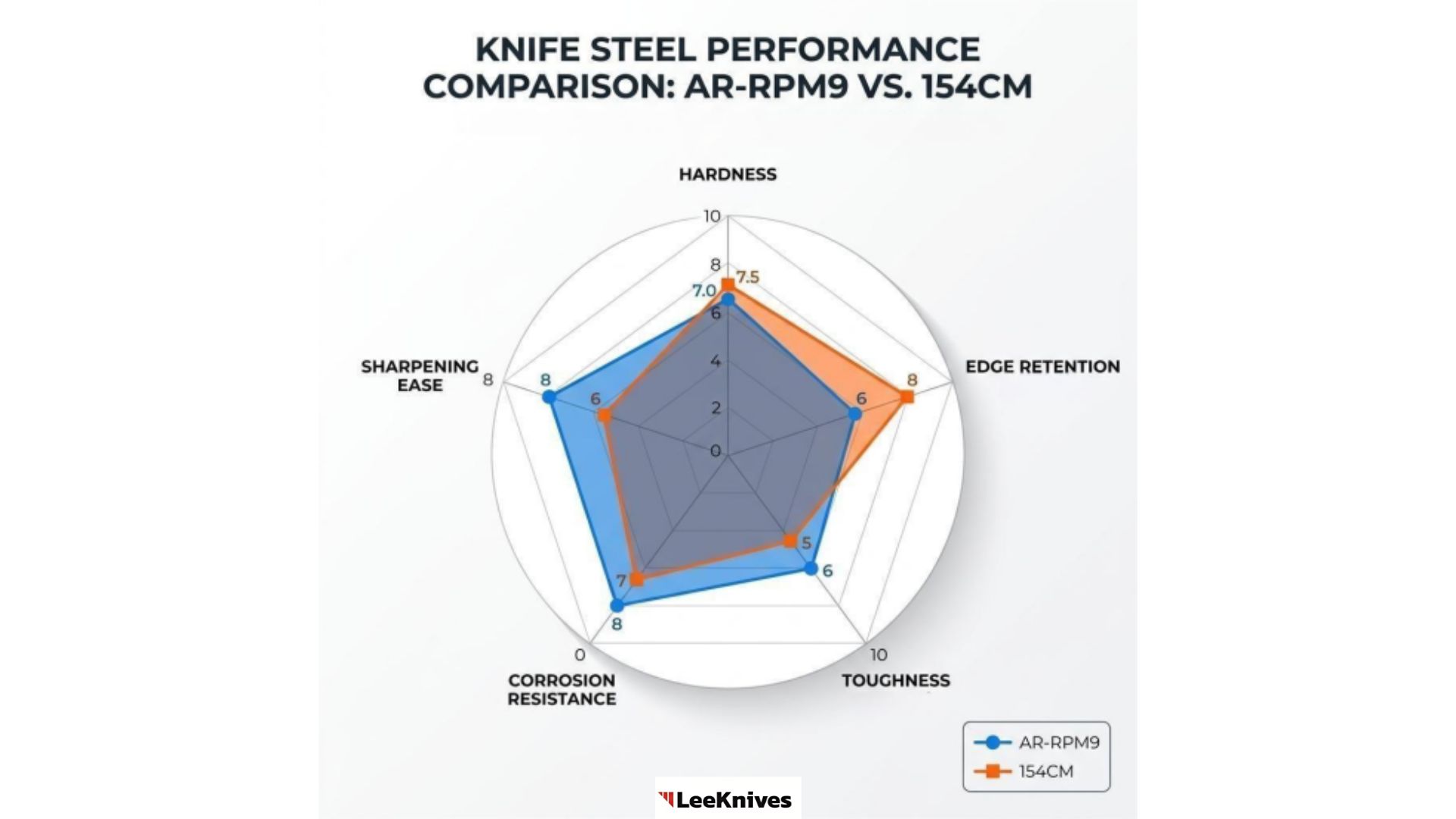
Die Härte bestimmt, wie gut eine Klinge Verformungen widersteht und ihre Schärfe unter Belastung beibehält. Sowohl AR-RPM9 als auch 154CM erreichen ähnliche Rockwell-Härtegrade, und liegt nach entsprechender Wärmebehandlung in der Regel zwischen 58 und 61 HRc.
Für Messerhersteller bedeutet dies, dass beide Stähle auf vergleichbare Härtegrade wärmebehandelt werden können. Allerdings erreicht 154CM aufgrund der etablierten amerikanischen Lieferkette und der verfeinerten Wärmebehandlungsprotokolle häufig das höhere Ende dieses Bereichs.
Korrosionsbeständigkeit
Die Korrosionsbeständigkeit misst, wie gut ein Stahl Rost und Oxidation in feuchten oder nassen Umgebungen widersteht. Der Chromgehalt von 18% in AR-RPM9 gibt ihm einen leichten Vorteil gegenüber 154CM, der 14% Chrom enthält.
Für Küchenmesser und Marineanwendungen bietet AR-RPM9 einen besseren Schutz gegen Feuchtigkeit und säurehaltige Lebensmittel. Für die meisten alltäglichen Verwendungszwecke ist 154CM jedoch immer noch ausreichend, vor allem, wenn die Benutzer grundlegende Wartungsarbeiten durchführen. Wenn Korrosionsbeständigkeit für Sie oberste Priorität hat, ist AR-RPM9 möglicherweise die bessere rostfreie Option für feuchte Märkte.
Schnitthaltigkeit
Die Schnitthaltigkeit bezieht sich darauf, wie lange eine Klinge zwischen den Schärfvorgängen scharf bleibt. Dies ist, wo 154CM erweist sich als überlegen, dank seiner 4% Molybdän-Gehalt, die außergewöhnlich harte Karbide schafft.
AR-RPM9 bietet eine mäßige Schnitthaltigkeit, die für allgemeine Gebrauchsmesser und EDC-Messer geeignet ist. Für Großabnehmer, die auf professionelle Anwender abzielen, die eine lang anhaltende Schärfe verlangen, rechtfertigt 154CM seine höheren Materialkosten. Einzelhändler können 154CM-Produkte als Premium-Angebote positionieren, während sie AR-RPM9 für wertorientierte Produktlinien verwenden.
Zähigkeit
Die Zähigkeit gibt die Fähigkeit eines Stahls an, Stöße zu absorbieren, ohne zu splittern oder zu brechen. AR-RPM9 weist aufgrund seines geringeren Kohlenstoffgehalts und seines feineren Korngefüges eine etwas höhere Zähigkeit als 154CM auf.
Für schwere Anwendungen wie Camping- oder taktische Messer ist das AR-RPM9 aufgrund seiner verbesserten Widerstandsfähigkeit gegen Kantenausbrüche eine praktische Wahl. Messerhändler sollten ihre Kunden darüber aufklären, dass 154CM zwar eine hervorragende Schnitthaltigkeit aufweist, die Benutzer aber kein Aufhebeln oder Schlagen vornehmen sollten, um Schäden zu vermeiden.
Verschleißfestigkeit
Die Verschleißfestigkeit beschreibt, wie gut ein Stahl dem Abrieb beim Schneiden widersteht. Der hohe Anteil an Molybdänkarbid in 154CM verleiht ihm im Vergleich zu AR-RPM9 eine höhere Verschleißfestigkeit.
In anspruchsvollen Schneidumgebungen wie der Verarbeitung von Karton oder faserigen Materialien behalten 154CM-Klingen ihre Geometrie länger bei. Für Großhändler bedeutet dies, dass sie weniger Garantieansprüche auf professionelle Werkzeuge haben. AR-RPM9 eignet sich nach wie vor für Verbraucheranwendungen, bei denen extreme Abriebfestigkeit weniger wichtig ist.
Die Leichtigkeit des Schärfens bestimmt, wie schnell der Anwender eine stumpfe Schneide wiederherstellen kann. AR-RPM9 ist deutlich einfacher zu schärfen als 154CM und erfordert weniger Zeit und weniger aggressive Schleifmittel.
Für Ihre Kunden bedeutet dies niedrigere Wartungshürden und eine höhere Zufriedenheit mit Produkten der Einstiegs- und Mittelklasse. Einzelhändler, die AR-RPM9-Messer verkaufen, können das benutzerfreundliche Wartungsprofil hervorheben, während 154CM-Produkte von gebündelten Schärfdiensten oder Empfehlungen für Diamantsteine profitieren können.
Lieferkette und Kostenanalyse
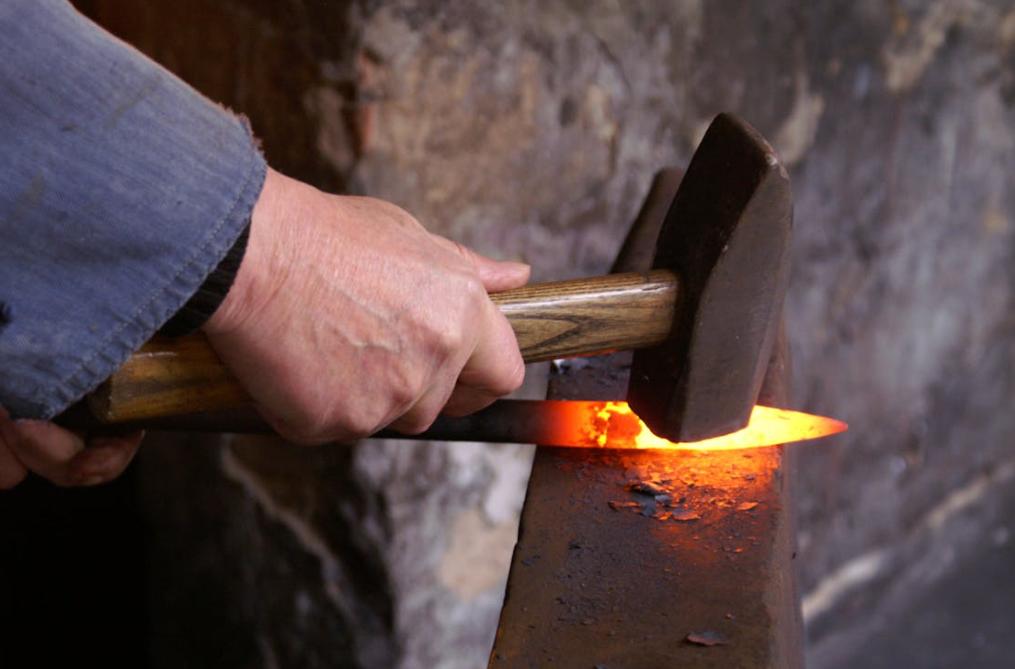
Für Großhändler und OEM-Käufer ist die metallurgische Leistung nur die Hälfte der Gleichung. Materialverfügbarkeit, Preisstabilität und Logistik spielen bei der Planung von Produktionsläufen eine ebenso große Rolle.
Rohstoffkosten
AR-RPM9 kostet in der Regel 30-45% weniger als 154CM auf Knüppelniveau. Da es vollständig in der inländischen Lieferkette Chinas hergestellt wird, entfallen Einfuhrzölle, Überseefracht und Währungsschwankungsaufschläge, die amerikanische Stähle betreffen.
154 cm nicht nur wegen seiner Zusammensetzung, sondern auch wegen seines Markenwerts einen Aufschlag verlangt. Die Produktion in Tiegeln ist mit Lizenzgebühren und Zertifizierungskosten verbunden, die bei chinesischen Alternativen nicht anfallen. Für nordamerikanische Hersteller können Zölle auf chinesischen Stahl diese Lücke manchmal verkleinern, daher sollten Sie immer die Einstandskosten und nicht den Gesamtpreis berechnen.
Wärmebehandlung und Verarbeitung
Beide Stähle erfordern eine professionelle Wärmebehandlung, um die angegebenen Härtebereiche zu erreichen. Allerdings, 154CM ist notorisch empfindlich gegenüber Wärmebehandlungsprotokollen. Das Erreichen von 60-61 HRc erfordert eine präzise Temperaturkontrolle und kryogene Verarbeitung. Eine inkonsequente Wärmebehandlung ist der Hauptgrund für die schlechte Leistung von 154CM-Messern.
AR-RPM9 ist im Allgemeinen nachsichtiger in Standardproduktionsumgebungen. Chinesische Erstausrüster haben die Wärmebehandlung für diesen Stahl in großem Maßstab rationalisiert, was die Ausschussquote verringert und die Stückkosten für Großaufträge niedrig hält.
Beschaffungssicherheit und Vorlaufzeiten
| Faktor | AR-RPM9 | 154 cm |
|---|---|---|
| Primäre Quelle | China (Region Yangjiang) | USA (Schmelztiegel/Latrosen) |
| Typische Mindestbestellmenge | 500-1.000 Einheiten | 300–500 Einheiten |
| Vorlaufzeit | 2-4 Wochen (Inland CN) | 4-8 Wochen (Einfuhr) |
| Preisvolatilität | Gering-Mäßig | Mäßig (Legierungszuschläge) |
| Tarifexposition | Gering (wenn im Land beschafft) | Unterliegt den Stahlzöllen |
Fazit für Käufer
Wenn Sie eine wertorientierte Produktlinie mit geringen Gewinnspannen, Der AR-RPM9 bietet eine überzeugende Wirtschaftlichkeit und kürzere Vorlaufzeiten. Wenn Sie auf Folgendes abzielen Premium-Verbraucher, die namentlich nach Stahl fragen, Die Markenbekanntheit von 154CM rechtfertigt die zusätzlichen Kosten. Viele erfolgreiche Großhändler führen beides, indem sie 154CM für Flaggschiff-Modelle und AR-RPM9 für Volumenlautsprecher verwenden.
AR-RPM9 vs. 154CM: Produktlinienstrategie
Verwenden 154 cm für Modelle, bei denen der Name des Stahls selbst die Kaufentscheidung beeinflusst.
- Ideale Modelle: Folder in limitierter Auflage, professionelle Kochmesser, taktische Klingen
- Marketing-Haken: “Amerikanischer Schmelztiegelstahl”, “bewährt bei Benchmade und Emerson”
- Zielkunden: Enthusiasten, Fachleute, Geschenkkäufer, die einen Stammbaum suchen
154CM rechtfertigt Premium-Preise durch den Wiedererkennungswert der Marke. Ihr Marketingteam muss die Käufer nicht aufklären - der Name verkauft sich von selbst.
Volumen-/Wertstufe ($30-60 Einzelhandel)
Verwenden AR-RPM9 für hochrotierende Artikel, bei denen die Gewinnspanne und niedrige Renditen wichtiger sind als das Recht, mit Stahl zu prahlen.
- Ideale Modelle: EDC-Folder, Küchenmesser, feststehende Klingen für draußen
- Marketing-Haken: “Marine-tauglich, rostfrei”, “Schärfen in Minuten, nicht Stunden”
- Zielkunden: Erstkäufer, Gelegenheitsnutzer, Küsten-/Meeresmärkte
Die Korrosionsbeständigkeit des AR-RPM9 reduziert Garantieansprüche in feuchten Regionen. Sein leichteres Schärfen senkt die Hürde für Einsteiger, denen es an Diamantsteinen oder Schärfkenntnissen mangelt.
Hybrider Ansatz: Zwei-Stahl-Kataloge
Die erfolgreichsten Großhändler führen beide Stähle mit klarer Rollentrennung.
Tisch
| Rolle | Stahl | Funktion |
|---|---|---|
| Held SKU | 154 cm | Verankerung Ihrer Premium-Linie, Steigerung der Glaubwürdigkeit Ihrer Marke |
| Lautstärketreiber | AR-RPM9 | Finanzierung des Cashflows durch schnelleren Umsatz und niedrigere COGS |
| Eingangstor | AR-RPM9 | Erstkäufer ansprechen, später Upselling auf 154CM |
Ausführungshinweise: Positionieren Sie die beiden Stähle nebeneinander in Ihrem Katalog mit einem einfachen Entscheidungsbaum - “Brauchen Sie maximale Kantenfestigkeit? Wählen Sie 154CM. Benötigen Sie einen geringen Wartungsaufwand in feuchten Klimazonen? Wählen Sie AR-RPM9”. Dies verringert das Zögern der Kunden und die Zahl der Supportanfragen.
Kontroversen und Vorsicht für den Käufer
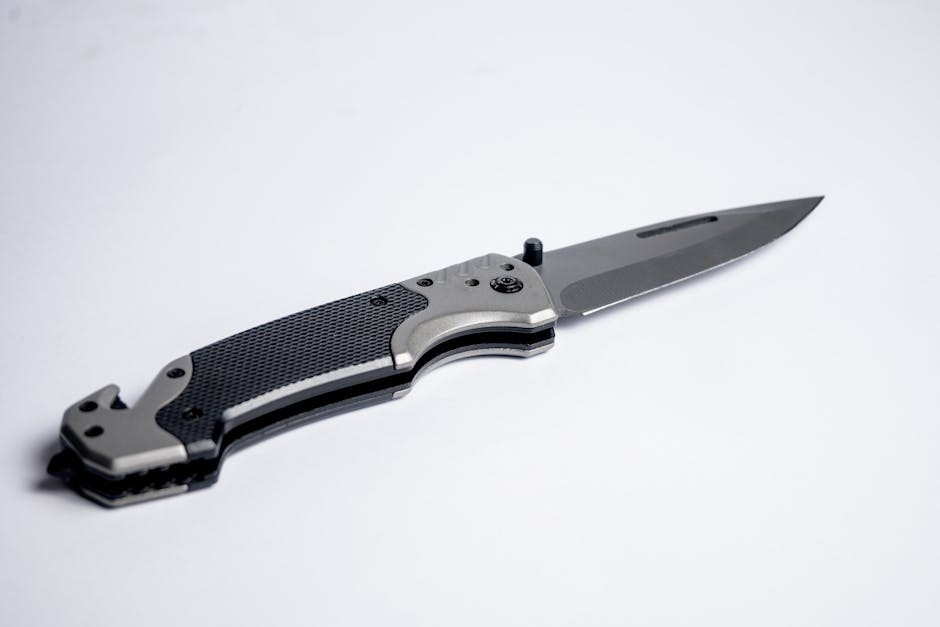
Kein Stahlvergleich ist vollständig, ohne auf die Debatten in der Branche und die gängigen Missverständnisse einzugehen, die sowohl Neulinge als auch erfahrene Käufer verunsichern.
Die AR-RPM9 “PM”-Frage
AR-RPM9 ist kein pulvermetallurgischer Stahl. Unabhängige Prüfung durch Messerstahl-Nerds bestätigt, dass es die Spray Form Technologie - ein Zwischenverfahren zwischen konventionellem Gießen und echtem PM - anstelle der Gasverdüsung und des heißisostatischen Pressens (HIP), die für CPM-154, S30V oder MagnaCut.
Die Verwirrung rührt daher, dass Artisan Cutlery bei der Markteinführung im Jahr 2020 von einem “Pulvermetallverfahren” sprach. Bei Spray Form wird zwar geschmolzener Stahl mit Stickstoff besprüht, aber es fehlt der HIP-Verfestigungsschritt, der echte PM-Stähle definiert. Die mikrostrukturelle Analyse zeigt längliche Karbide, die mit Spray Form übereinstimmen, und nicht die feinen kugelförmigen Karbide der CPM-Sorten.
Für Einzelhändler: Vermarktung von AR-RPM9 als gut ausgeführte konventionelle rostfreie, und nicht als PM-Stahl. Eine falsche Kennzeichnung riskiert Rückschläge von informierten Kunden und schadet dem Vertrauen. PM-Stähle erzielen aufgrund ihrer feineren Karbidstruktur höhere Preise; AR-RPM9 konkurriert mit CPM-Sorten über den Wert, nicht über die mikrostrukturelle Gleichheit.
154CM Variabilität der Wärmebehandlung
Der Ruf von 154CM wurde von Messermachern aufgebaut, die eine strenge Wärmebehandlung anwenden. In der Massenproduktion ist es schwieriger, Konsistenz zu garantieren.
Wir haben 154CM Klingen aus dem Test gesehen 54 bis 61 HRC je nach Disziplin des Herstellers. Bei 54 HRC nimmt die Schneidhaltigkeit stark ab und der Stahl fühlt sich “gummiartig” an. Bei 61 HRC mit kryogener Behandlung entfaltet er sein volles Potenzial.
Für Großhändler bedeutet dies Die Auswahl des Anbieters ist entscheidend bei der Beschaffung von 154CM-Produkten. Fragen Sie Ihren Hersteller:
- Welchen Härtebereich streben sie an?
- Werden sie kryogenisch behandelt?
- Können sie Berichte über Härtetests für Chargen vorlegen?
Wenn ein Angebot mit 154CM ungewöhnlich billig erscheint, ist die Wärmebehandlung wahrscheinlich der Grund für die Kürzung - und Ihre Kunden werden es merken.
Schlussfolgerung: Welcher Stahl ist besser für Ihren Messerladen?
In Bezug auf Schnitthaltigkeit und Verschleißfestigkeit erweist sich 154CM als der bessere Stahl für anspruchsvolle Anwender. Sein Molybdängehalt von 4% erzeugt harte Karbide, die ihre Schärfe auch bei längerem Gebrauch beibehalten, was sie ideal für Premium-Produktlinien für Profis und Enthusiasten macht.
Die verbesserte Korrosionsbeständigkeit und das einfachere Schärfen von AR-RPM9 können jedoch für Kunden, die wartungsarme Klingen suchen, einen großen Unterschied machen. Für Einzelhändler bietet AR-RPM9 eine attraktive Gewinnspanne im mittleren Segment, ohne dass die Kernleistung, die alltägliche Nutzer zufriedenstellt, beeinträchtigt wird.
Preislich gesehen kostet AR-RPM9 in der Regel 30-45% weniger als 154CM auf Materialebene. Dennoch ist es für die meisten Geschäfte von Vorteil, beide Materialien zu führen - 154CM als Premiumprodukt und AR-RPM9 als preisgünstiges Produkt.
Skalieren Sie Ihr Messergeschäft mit LeeKnives
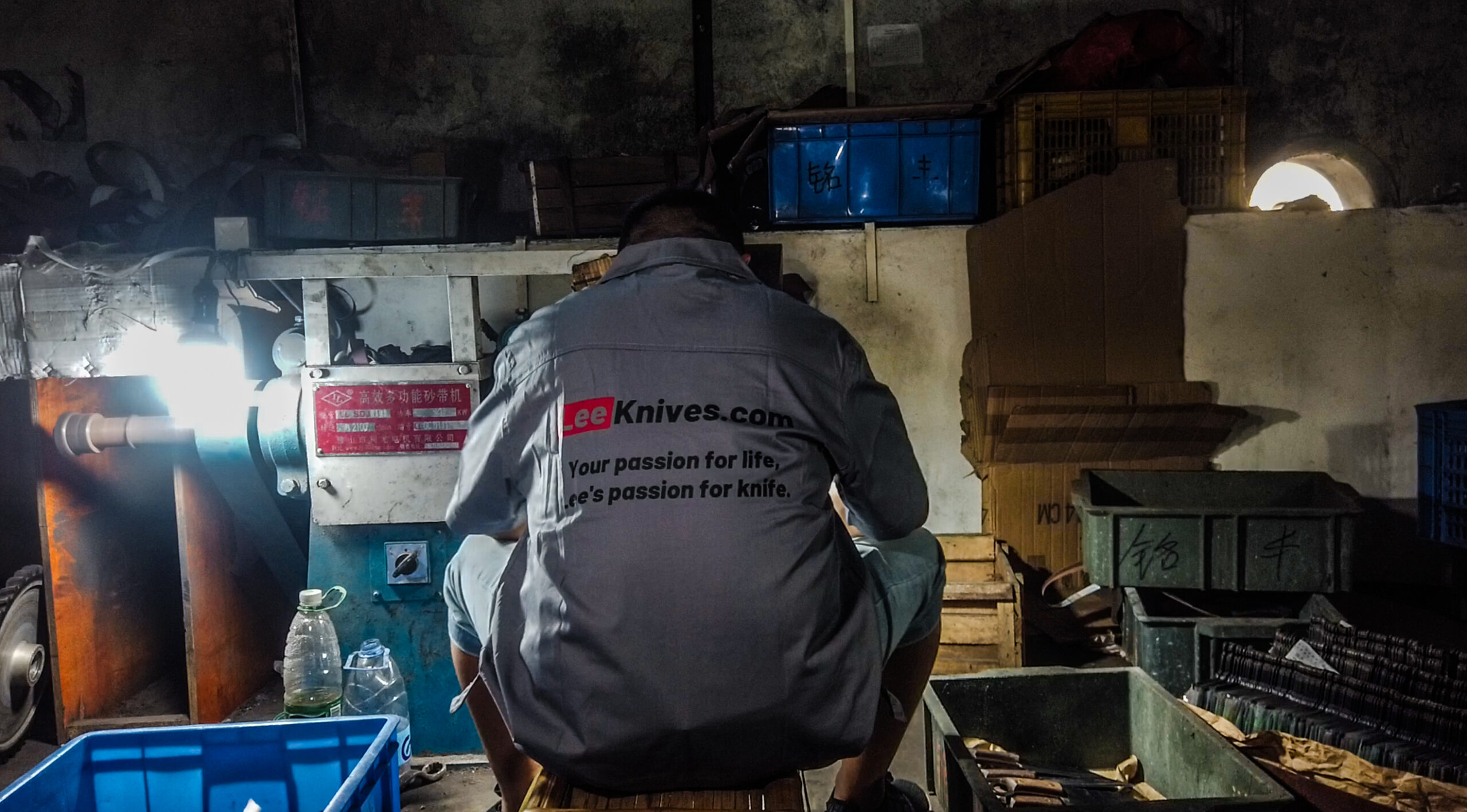
Die Wahl zwischen dem bewährten 154CM und dem innovativen AR-RPM9 hängt von der Positionierung Ihrer Marke und den angestrebten Gewinnspannen ab. Aber unabhängig davon, für welchen Stahl Sie sich entscheiden, Die Konsistenz der Produktion ist der eigentliche Knackpunkt.
Bei LeeKnives, kombinieren wir jahrzehntelange metallurgische Erfahrung mit Weltklasse OEM/ODM Dienstleistungen, um Ihre Produktlinie hervorzuheben.
- Garantierte Härte: Jede Charge wird getestet, um den Sweet Spot von 58-61 HRC zu erreichen.
- B2B Flexible MOQs: Optimierte Produktionsläufe sowohl für Boutique-Marken als auch für Einzelhändler mit hohen Stückzahlen.
- Globale logistische Unterstützung: Wir kümmern uns um die Komplexität, damit Sie sich auf den Verkauf konzentrieren können.
Sind Sie bereit, Ihre Messerproduktlinie zu erweitern? Kostenloses Angebot anfordern und setzen Sie sich mit unserem Vertriebsteam in Verbindung, um Ihre Anforderungen an AR-RPM9- oder 154CM-Messer zu besprechen.
Bringen Sie Ihre individuelle Messerlinie schneller auf den Markt mit LeeKnives
Umfassender OEM/ODM-Support – vom Entwurf bis zur endgültigen Lieferung –, damit Sie sich auf Ihr Wachstum konzentrieren können.
Unterstützt durch Lager in den USA für eine schnelle und zuverlässige Lieferung.
Häufig gestellte Fragen
Wer stellt AR-RPM9-Stahl her?
AR-RPM9 wird von chinesischen Stahlwerken in der Region Yangjiang hergestellt und hauptsächlich über Artisan Cutlery und seine Tochtermarken (CJRB, Civivi, WE Knife) vertrieben. Es ist nicht als eigenständiges kommerzielles Stahlmaterial wie 154CM erhältlich; es wird in der Regel über OEM-Messerherstellerpartnerschaften bezogen.
Ist AR-RPM9 besser als D2-Stahl?
Das hängt von Ihren Prioritäten ab. AR-RPM9 bietet weitaus bessere Korrosionsbeständigkeit (rostfrei vs. halb-rostfrei) und ist leichter zu schärfen, was es ideal für EDC und Küchenmesser in feuchten Umgebungen.
D2 bietet hervorragende Kantenstabilität und Verschleißfestigkeit aufgrund seines hohen Kohlenstoff- und Chromkarbidanteils, aber es rostet ohne Wartung und erfordert mehr Aufwand beim Schärfen. Für preisgünstige Folder, die sich an Gelegenheitsnutzer richten, ist AR-RPM9 die sicherere Wahl; für hart beanspruchte Werkzeuge unter trockenen Bedingungen ist D2 die bessere Wahl.
Rostet der AR-RPM9-Stahl?
AR-RPM9 ist dank seines Chromgehalts von 18% sehr korrosionsbeständig, aber es ist nicht rostfrei. In normalen EDC oder Küche verwenden, widersteht es Flecken und Lochfraß gut. Allerdings kann längere Exposition gegenüber Salzwasser, sauren Lebensmitteln oder Vernachlässigung (Lagerung nass für Tage) schließlich verursachen Oberflächenkorrosion.
Bei Anwendungen in der Schifffahrt oder in der Gastronomie sorgt eine einfache Wartung - Spülen und Trocknen nach dem Gebrauch, gelegentliches Einölen - dafür, dass die AR-RPM9-Klingen makellos bleiben.
Ja, 154CM befindet sich in der gehobene Mittel- bis Premiumklasse von Messerstähle. Entwickelt von Crucible Industries in den 1970er Jahren, hat es sich über Jahrzehnte in Custom- und Produktionsmessern (Benchmade, Emerson, Hinderer) bewährt.
Sein 4%-Molybdängehalt sorgt für eine hervorragende Schneidhaltigkeit, die einen höheren Preis rechtfertigt, obwohl er kein “Superstahl” ist wie S35VN oder M390. Für die Hersteller signalisiert 154CM den Liebhabern Qualität, für die Einzelhändler unterstützt es die $80-150 Preispositionierung.
Ist 154CM-Stahl schwer zu schärfen?
154CM ist mäßig schwer zu schärfen im Vergleich zu weicheren nichtrostenden Stählen wie AR-RPM9 oder 420HC. Der hohe Anteil an Molybdänkarbiden widersteht dem Abrieb, so dass herkömmliche Aluminiumoxidsteine nur langsam arbeiten - für eine effiziente Reprofilierung werden Diamant- oder CBN-Schleifmittel empfohlen.
Der Kompromiss lohnt sich: Einmal geschärft, hält 154CM seine Schärfe deutlich länger. Für Endverbraucher ohne Schärferfahrung ist AR-RPM9 nachsichtiger; für Enthusiasten mit geeigneten Steinen belohnt 154CM die Mühe.
Ist 154CM spröde oder anfällig für Absplitterungen?
154CM ist nicht von Natur aus spröde, aber seine Zähigkeit ist eher mäßig als außergewöhnlich. Mit einem Härtegrad von 60-61 HRC und einer angemessenen kryogenen Behandlung ist es gut für normale Schnitte geeignet. Allerdings können seitliche Belastungen - Stoßen, Schlagen oder Fallenlassen auf harte Oberflächen - zu Mikroausbrüchen an der Kante führen.
AR-RPM9 ist aufgrund des geringeren Kohlenstoffgehalts und der feineren Kornstruktur widerstandsfähiger. Für taktische oder Camping-Messer, die Stößen ausgesetzt sind, ist AR-RPM9 die sicherere Wahl; für Präzisionsschneidwerkzeuge ist die Schneidenstabilität von 154CM überlegen.
Wird 154CM rosten?
154CM rostet, wenn es vernachlässigt wird, obwohl es besser korrosionsbeständig ist als Kohlenstoffstähle. Sein 14%-Chrom bietet einen guten Schutz für den typischen EDC-Gebrauch, aber es reicht nicht an echte marine-grade Edelstahl wie AR-RPM9 (18% Cr) oder LC200N.
In feuchten Klimazonen oder in der Nähe von Salzwasser erfordert das 154CM eine grundlegende Pflege: nach dem Gebrauch trocken wischen, regelmäßig leichtes Öl auftragen und längere Feuchtigkeitseinwirkung vermeiden. Für Käufer in Küstenregionen bietet die AR-RPM9 ein wartungsfreieres Erlebnis.
Welcher Stahl ist besser, 154CM oder Nitro V?
Nitro V ist die moderne Weiterentwicklung der Designphilosophie von 154CM. Nitro V wurde von New Jersey Steel Baron entwickelt und fügt der Formel Stickstoff hinzu, was die Korrosionsbeständigkeit und die Kantenstabilität verbessert, während die Härte vergleichbar bleibt.
In der Praxis bietet Nitro V eine etwas bessere Zähigkeit und Rostbeständigkeit als 154CM bei ähnlicher Kantenfestigkeit. 154CM hat jedoch einen höheren Bekanntheitsgrad und eine etablierte Lieferkette. Für neue Produktlinien ist Nitro V eine ausgezeichnete Alternative; für Märkte, auf denen sich “154CM” von selbst verkauft, sollten Sie bei dem bewährten Namen bleiben.
Ist 154CM-Stahl besser als S35VN?
Nein - S35VN ist objektiv überlegen in Bezug auf Schneidhaltigkeit, Zähigkeit und Korrosionsbeständigkeit. Als Schmelztiegel-“Superstahl” mit Niob- und Vanadiumkarbiden übertrifft S35VN den 154CM in praktisch jeder Hinsicht.
Der Nachteil sind die Kosten: S35VN-Klingen kosten im Einzelhandel in der Regel 40-60% mehr. 154CM ist nach wie vor die klügere Wahl für Mittelklasselinien, bei denen die Leistung den Preis rechtfertigen muss, ohne in den Premiumbereich vorzudringen. Betrachten Sie 154CM als die 3er-Serie von BMW und S35VN als den M3 - beide sind hervorragend, aber für unterschiedliche Budgets geeignet.




 DE
DE  EN
EN  JA
JA