In the professional cookware market, choosing a material isn’t just about cooking performance—it is a strategic business decision. As a brand owner or wholesaler, you are managing logistics, profit margins, and customer expectations.
Many buyers ask: “Is a carbon steel pan better than cast iron?” or “Should I only source stainless steel vs nonstick cookware?” To answer this, we must look past the marketing and dive into the factory-level logic of how these metals actually behave.
What is the Core Difference Between These Metals?
To understand these materials, you must look at their “Iron Triangle”: Iron, Carbon, and Chromium.
Cast Iron: Extreme Heat Capacity (High Carbon)
Cast iron contains over 2% carbon. From a manufacturing standpoint, high carbon makes the metal brittle. To ensure the product doesn’t crack under thermal stress, we must increase the thickness. This “forced thickness” provides massive Heat Retention. It acts like a battery—slow to charge (pre-heat), but once hot, it holds a massive amount of energy.
Cast Iron: Extreme Heat Capacity (High Carbon)
By dropping carbon to below 1%, the metal becomes much more ductile (flexible). We don’t need excessive thickness to prevent cracking, so we can make the pan 30%–50% lighter than cast iron while maintaining high strength. This allows for Instant Heat Response, letting chefs adjust temperatures in real-time.
Stainless Steel: Durability and Stability (Chromium)
When chromium reaches 10.5%, the steel develops a “passive layer” that acts like a self-healing skin. It is virtually rust-proof and non-reactive to acidic foods. However, since stainless steel is a poor conductor of heat, we must use Multi-ply Cladding (sandwiching an aluminum or copper core) to make it perform.
Think of heat like money.
- Cast Iron is a massive safe (slow to fill, but holds a lot).
- Carbon Steel is a high-speed wallet (money moves in and out instantly).
- Stainless Steel is a secure transport box (it protects the contents from everything outside).
1. Cast Iron
Cast iron represents “tradition” and “durability,” but in the factory, every characteristic is a result of its 2%+ carbon content.
High Thermal Capacity
Because cast iron is porous and brittle, it must be manufactured with significant thickness to survive daily use. This mass creates a “heat battery” effect that outperforms even heavy-duty stainless steel when it comes to maintaining temperature.
Seasoning: Durability over Glide
- The Physics: The sand-cast surface is naturally rough. These microscopic pits act as “anchors,” allowing the oil film (seasoning) to bond more securely than on any other metal.
- B2B Insight: Cast iron is more forgiving for home cooks. Even if the seasoning isn’t perfect, the rugged surface maintains a functional barrier, reducing returns from casual users. To help your customers maintain this barrier, we recommend providing a guide on How to Season Cast Iron Skillets.
Logistics and Profit
Managing a cast iron line requires precise cost-accounting:
- Tooling Assets: Cast iron uses sand casting. While material is cheap, high-quality molds require significant upfront investment. Customizing a shape involves higher Sunk Costs compared to carbon steel.
- Shipping Costs: Cast iron weighs roughly 3x more than stainless steel. If your primary channel is e-commerce, high shipping fees will erode your margins.
- The “Enameled” Value: Raw cast iron has low margins. We recommend Enameled Cast Iron to our clients. The colorful coating solves the rust problem and transforms “kitchen gear” into a “luxury gift,” increasing gross margins by over 40%. Learn more in our Cast Iron vs. Stainless Steel Cookware comparison.
2. Carbon Steel
Carbon steel offers the performance of cast iron with the responsiveness of a much lighter material.
Lightweight and Ductile
With carbon below 1%, the metal is not prone to cracking. We can make the pan 30%–50% lighter than cast iron while maintaining higher impact resistance.
Seasoning: Glide over Durability
- The Physics: The surface is smooth and dense. Once seasoned, it provides a superior glide (food release) that mimics chemical non-stick coatings, ideal for delicate items like eggs or fish.
- B2B Insight: Carbon steel targets the enthusiast and pro market. While the seasoning can be more fragile than cast iron’s, the precision and speed it offers allow for a “professional-grade” brand positioning.
Low Tooling and Customization
- Low Mold Costs: Carbon steel is typically produced through spinning or stamping. Unlike cast iron, it does not require expensive sand-casting molds. This reduces your upfront R&D investment.
- Sourcing Flexibility: Compared to multi-ply stainless steel, the Minimum Order Quantity (MOQ) for carbon steel is often more flexible. If your brand wants to test a unique shape or a niche product, carbon steel carries lower financial risk.
3. Stainless Steel
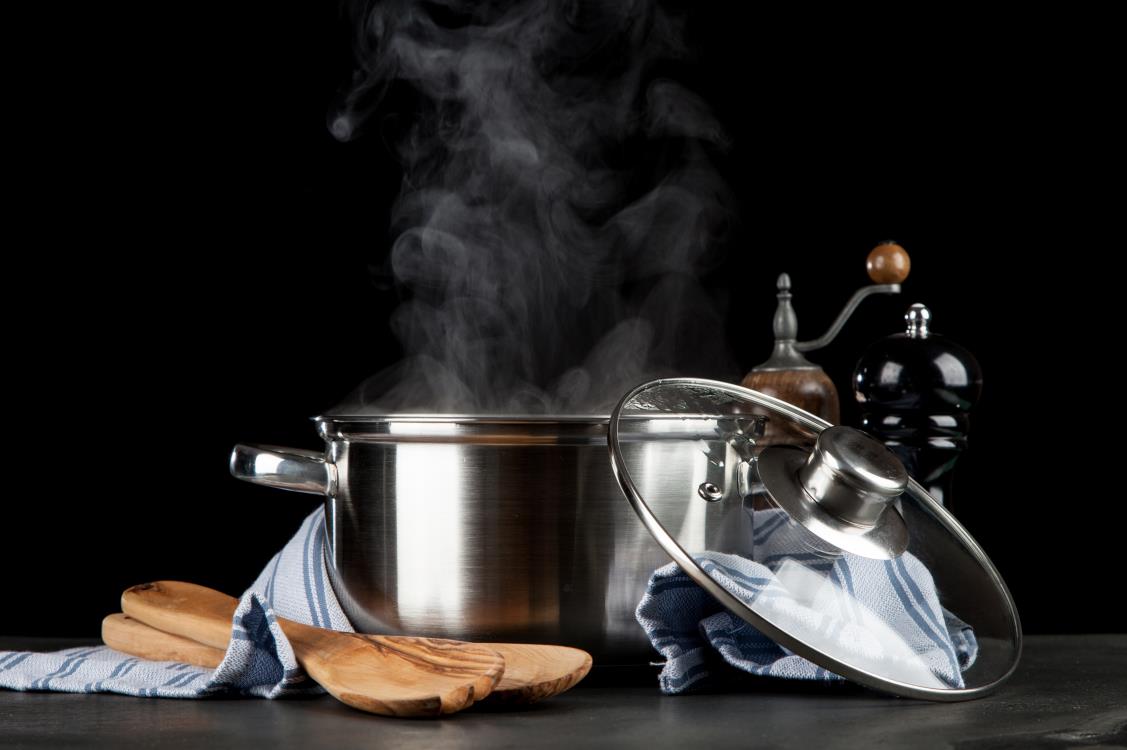
For mass-market brands seeking scale and a stable reputation, stainless steel cookware is the lowest-risk entry point. It performs reliably in almost any environment.
The Self-Healing Passive Layer
Stainless steel contains over 10.5% chromium. When chromium reacts with oxygen, it forms an invisible “passive layer” on the surface.
- Corrosion Resistance: Even if a user scratches the surface, this layer regrows instantly upon contact with air. This allows stainless steel to withstand heavy scrubbing, dishwashers, and long cooking times with acidic ingredients like tomatoes or citrus.
Stability
When consumers compare ceramic vs stainless steel pans, they often choose steel for its chemical stability. Unlike ceramic or other nonstick pan materials, stainless steel won’t chip or lose its performance over time, making it a “buy it for life” product that builds long-term brand trust.
The Value of Cladding (Multi-Ply)
Pure stainless steel is an uneven conductor of heat, which often leads to “hot spots.”
- The Solution: We utilize Multi-Ply Cladding. We bond an aluminum core between layers of stainless steel. This aluminum acts as the “heat mover,” rapidly transferring energy from the center to the edges. For brand owners, 3-Ply construction is the standard requirement for entering major retail channels.
Low Returns and Compliance
- Low Maintenance: There is no “learning curve” for the user. It doesn’t rust and doesn’t need seasoning. This significantly reduces customer service inquiries and returns caused by user error.
- Global Compliance: Stainless steel easily passes NSF, FDA, and LFGB certifications. If you intend to supply to large supermarket chains or the hospitality industry, stainless steel is the baseline specification.
Health & Safety: Which Metal is Truly the Safest?
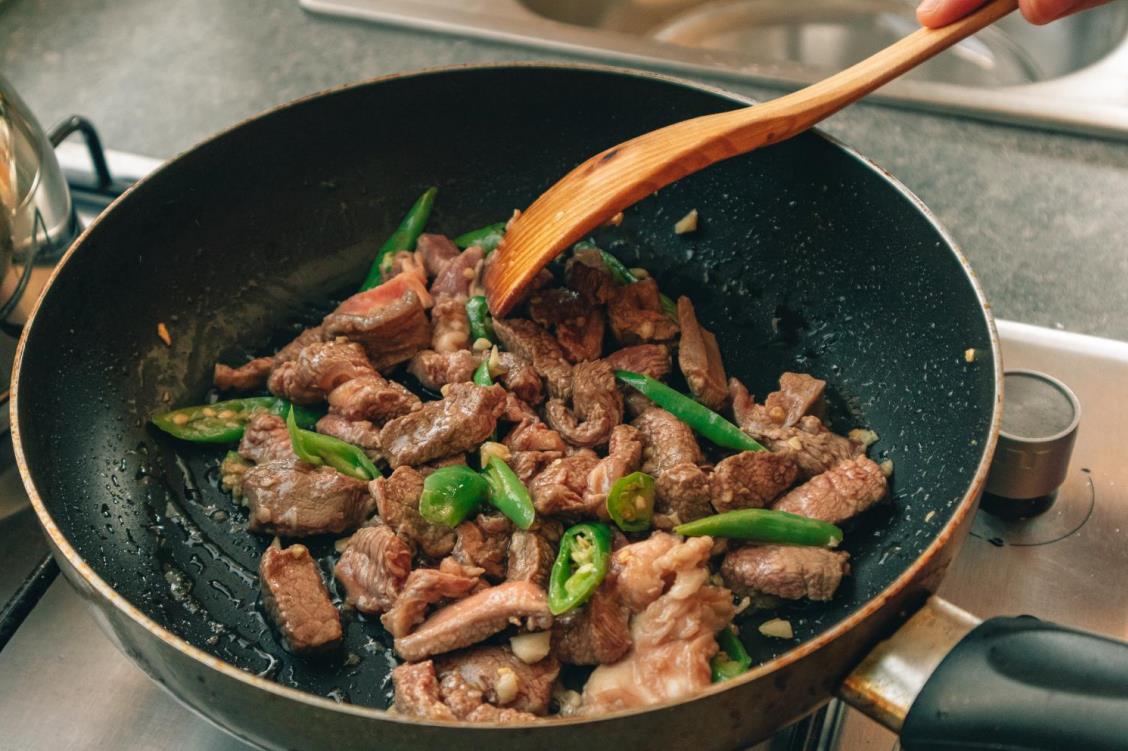
The Verdict: If your priority is absolute chemical stability (no reaction with food), Stainless Steel is the safest choice. If your priority is a non-toxic, chemical-free alternative to non-stick coatings, Carbon Steel and Cast Iron are the industry standards.
The Mechanism: Why They Are Safe
The safety of these materials is based on two different physical principles:
- Stainless Steel (Inert Barrier): It relies on its Passive Layer (Chromium oxide). It is 100% non-reactive, meaning you can cook highly acidic foods like tomatoes or wine sauces for hours without any metal leaching or “metallic taste.”
- Carbon Steel & Cast Iron (Natural Polymerization): Their safety comes from Seasoning. Instead of synthetic PFAS or PFOA, these pans use a layer of polymerized cooking oil to create a barrier. You are cooking on seasoned oil, not a chemical film. For a deep dive, see Is Carbon Steel Safe for Cooking?.
Metal Migration: What Brand Owners Need to Know
While these materials are “non-toxic,” micro-amounts of metal can migrate into food. Understanding this is key to managing your brand’s liability:
- Iron Migration (Cast Iron/Carbon Steel): These release trace amounts of Dietary Iron. While generally healthy, excessive leaching in highly acidic dishes can affect food flavor.
- Nickel & Chromium Migration (Stainless Steel): Low-quality stainless steel can leach nickel, a common allergen. To protect your brand, always source 304 (18/8) or 316 (Medical Grade) steel and avoid the 200-series, which uses manganese as a cheap substitute for nickel.
Sourcing Tip: The Compliance Checklist
To ensure your products are truly “Health-Safe” for global markets, verify these three factory standards:
- Food-Grade Pre-Seasoning: Ensure the factory uses certified vegetable oils (flaxseed/soybean), not industrial anti-rust oils.
- Chemical Purity Reports: Demand a Chemical Composition Analysis to ensure no lead or cadmium contaminants are present in the iron melt.
- Certification: To protect your brand, always ensure your Cookware Made in China meets FDA and LFGB migration limits for heavy metals.
Comparison Table: Cast Iron vs. Carbon Steel vs. Stainless Steel Cookware
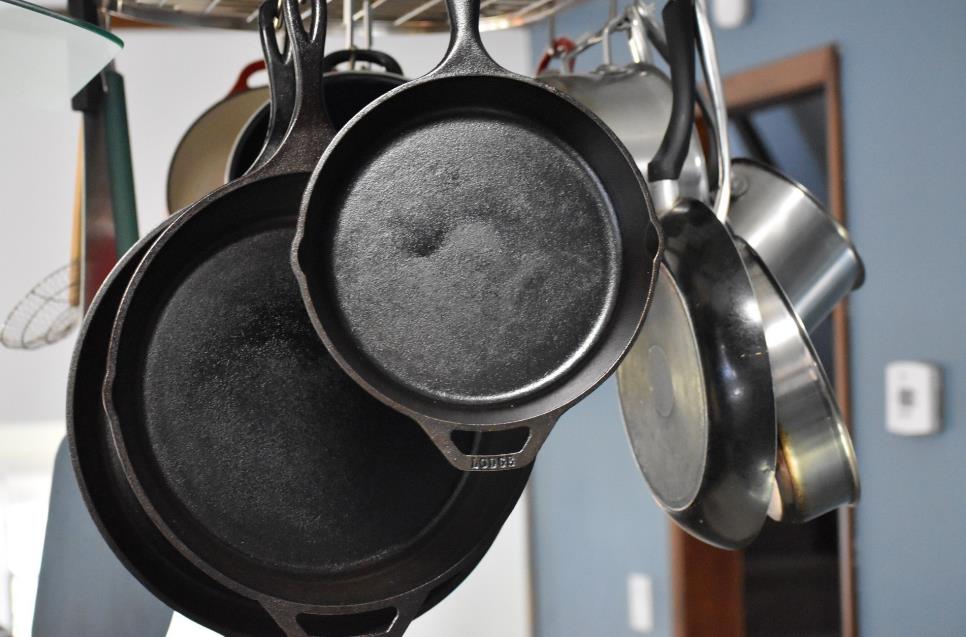
When choosing a material for your brand, you need to balance cooking performance against business variables like shipping and maintenance. This table compares the pros and cons of the three most popular cookware metals.
| Metric | Cast Iron | Carbon Steel | Multi-Ply Stainless |
| Heat Retention | 5/5 | 3/5 | 2/5 |
| Heat Response | 1/5 | 5/5 | 4/5 |
| Weight | 1/5 (Heavy) | 4/5 (Light) | 3/5 (Medium) |
| Maintenance | High (Needs seasoning) | High (Needs seasoning) | Low (Dishwasher safe) |
| Best For | Slow cooking, heavy searing | Professional frying, high-heat sauté | Daily all-purpose cooking |
| Logistics Risk | High(Brittle/Heavy) | Low (Ductile) | Low (Ductile) |
| Retail Margin | High (Luxury/Enameled) | Highest (Pro-Market) | Stable (Mass Market) |
Cookware Manufacturing Guide: Key Technical Specs for B2B Sourcing
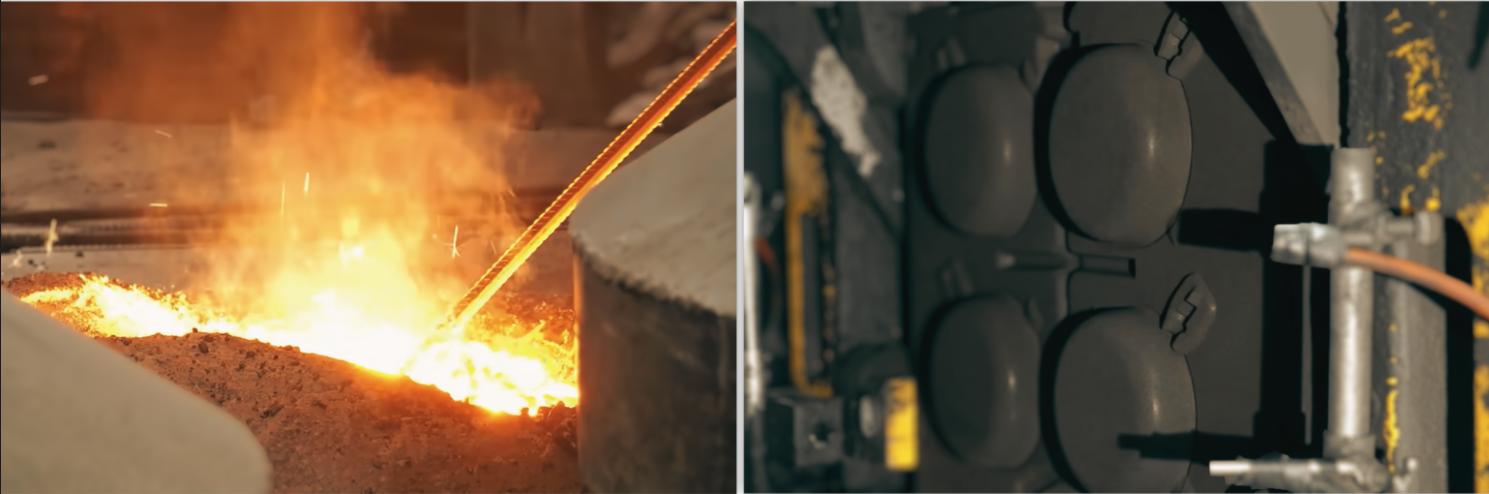
To protect your profit margins and reduce return rates, you must specify technical details that go beyond the basic material name. These are the three “factory-level” specifications we recommend for high-quality production.
Carbon Steel: 2.5mm Minimum Thickness
Many low-cost suppliers offer 1.5mm or 2.0mm carbon steel. However, at high temperatures, thin carbon steel is prone to warping. We recommend a 2.5mm baseline for professional-grade pans to ensure the base stays flat and prevents customer returns.
Rust Prevention: Vacuum Nitriding Treatment
The biggest risk for carbon steel and cast iron inventory is rust during sea freight or long-term storage. Vacuum Nitriding is a heat treatment that diffuses nitrogen into the metal surface. It creates a permanent, black, rust-resistant barrier without using chemical coatings.
3-Ply Stainless: 60% Aluminum Core Ratio
Not all multi-ply pans are equal. The performance depends on the thickness of the internal aluminum core. Ensure your technical agreement specifies that the aluminum core represents at least 60% of the total wall thickness. This prevents hot spots and ensures even heat distribution across the entire pan.
FAQ
What cookware is 100% non-toxic?
Cookware made from 304/316 Stainless Steel, Carbon Steel, and Cast Iron is considered 100% non-toxic because these materials do not rely on synthetic PTFE (Teflon) or PFAS coatings. These are the premier alternatives to non-stick pans for health-conscious consumers.
Is it better to deep fry in cast iron or stainless steel?
Cast iron is superior for deep frying due to its high thermal mass. It maintains a stable oil temperature even when cold food is added, resulting in crispier food and less oil absorption compared to stainless steel. Explore our Wholesale Cast Iron Cookware options for high-volume deep frying needs.
Which metal is healthiest for cooking?
Stainless steel is the healthiest for “inert” cooking (acidic foods), while carbon steel is the healthiest for high-heat frying. Stainless steel will not leach or react with ingredients, while carbon steel provides a natural non-stick surface without chemicals.
Why do professional chefs not use non-stick pans?
Chefs avoid non-stick pans because they lack the durability and heat responsiveness required for high-volume cooking. Professional kitchens rely on the searing power of cast iron and the precision of carbon steel to achieve “wok hei” and complex flavors that synthetic coatings cannot produce.
Which is better: 18/0, 18/8, or 18/10 stainless steel?
18/10 stainless steel is the gold standard for premium brands. The 10% nickel content provides the highest level of corrosion resistance and a permanent mirror-like luster. Learn why in our guide to Stainless Steel for Flatware.
Partner with LeeKnives for Professional Manufacturing
Located in Yangjiang, the 1,500-year-old hub of Chinese metallurgy, LeeKnives combines heritage with modern technical precision. We offer end-to-end solutions to scale your cookware brand:
- OEM Service: Custom designs and advanced technical specifications (Vacuum Nitriding, Multi-Ply Cladding) tailored to your brand.
- Private Label Service: Launch high-quality, non-toxic product lines with your branding using our proven factory-standard designs.
- Wholesale Service: Direct access to premium Cast Iron Cookware and Stainless Steel Utensils at factory-direct pricing.
- Sourcing Agent in China: We leverage deep local connections in Yangjiang to manage your entire supply chain, ensuring global compliance and zero-defect delivery.
Ready to start your next production run with a trusted Yangjiang partner?




 EN
EN  JA
JA  DE
DE