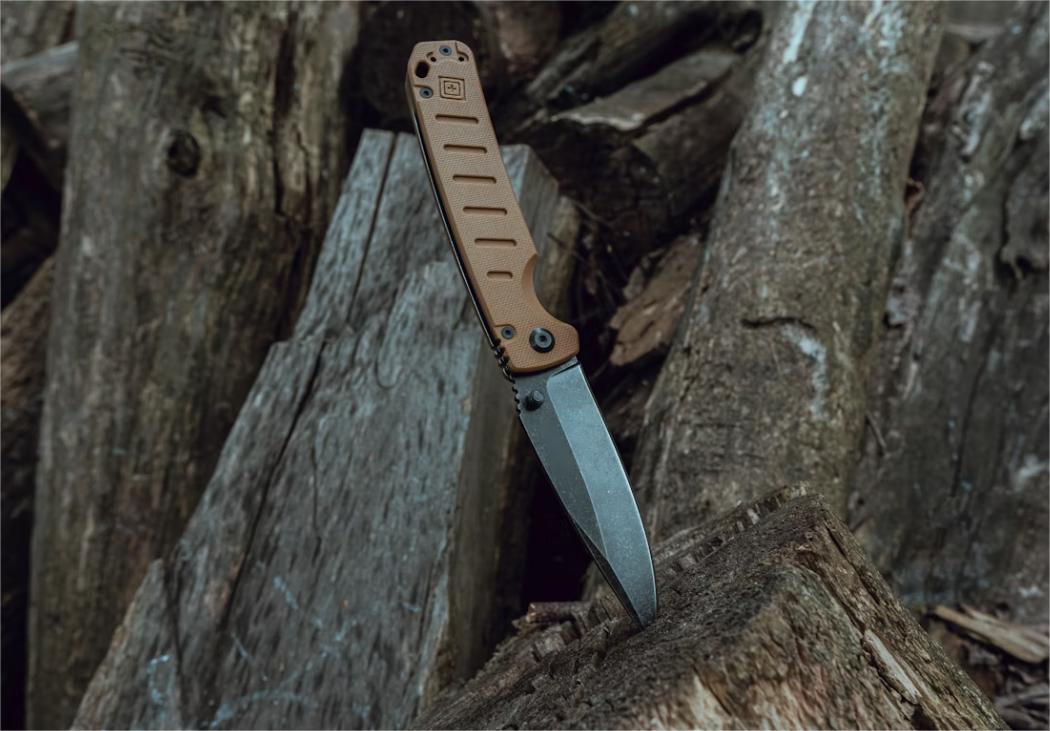
ELMAX and M390 are two of the most popular premium stainless steels in modern knife manufacturing. Both offer excellent edge retention, corrosion resistance, and durability, making them top choices for high-end knives.
In this guide, we compare ELMAX vs M390 across composition, performance, pricing, and real-world applications to help you choose the right steel for your product line or sourcing strategy.
Key Differences at a Glance
Before diving into detailed analysis, here are the most critical differences between ELMAX and M390 that knife makers and retailers need to know:
| Dimension | ELMAX | M390 |
|---|---|---|
| Manufacturer | Uddeholm (Sweden) | Böhler (Austria) |
| Hardness Range | 57–61 HRc | 60–62 HRc |
| Chromium Content | 18% | 20% |
| Vanadium Content | 3% | 4% |
| Tungsten Content | None | 0.60% |
| Core Strength | Superior toughness, easier maintenance | Longer edge retention, higher brand premium |
| Raw Material Cost | Baseline | ~10–20% higher |
| Best Application | Tactical, outdoor, fixed blades | Premium EDC folders, kitchen knives |
Bottom line: M390 holds an edge longer. ELMAX is tougher and easier to maintain. The right choice depends on your customers’ use cases and price sensitivity.
What Is ELMAX Steel?
ELMAX is a high-performance powder metallurgy stainless steel developed by Uddeholm in the early 2000s as part of its SuperClean steel program. It was originally designed for demanding industrial tooling, molds, and precision components requiring high wear resistance and toughness.
Manufactured using advanced powder metallurgy technology, ELMAX features a highly uniform carbide structure, which improves wear resistance, corrosion resistance, and dimensional stability compared to conventional ingot steels.
Due to its balanced combination of edge retention, toughness, and corrosion resistance, ELMAX was quickly adopted by premium knife manufacturers and custom makers, becoming a widely used steel in modern EDC, outdoor, and high-performance knife applications.
What Is M390 Steel?
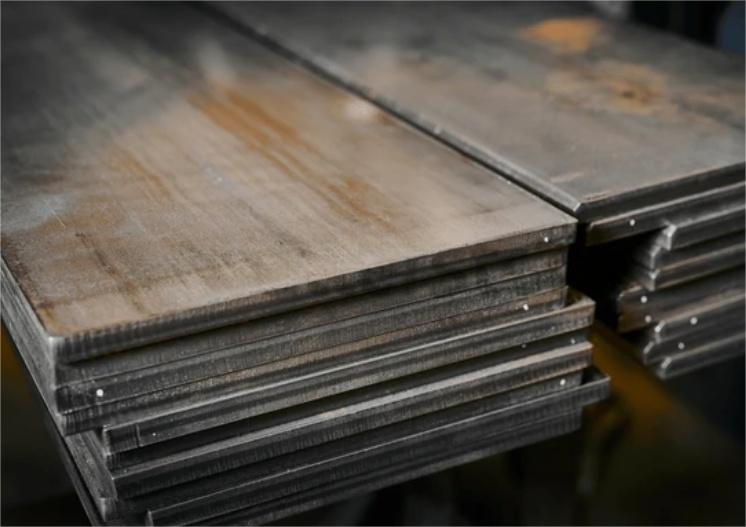
M390 MICROCLEAN is a premium third-generation martensitic stainless steel developed by Bohler in the early 2000s, following the SuperClean steel program. It is widely regarded as one of the best knife steels available on the market today, offering an exceptional combination of edge retention, corrosion resistance, and wear resistance.
Manufactured using advanced powder metallurgy, M390 contains 20% chromium and 4% vanadium, producing a dense network of hard vanadium carbides within a highly corrosion-resistant matrix. This structure delivers outstanding edge retention, wear resistance, and dimensional stability under demanding conditions.
ELMAX vs M390: Composition Comparison
Understanding the chemical composition differences is essential when selecting steel for your knife production line. The elemental makeup directly influences performance characteristics that your customers will care about most.
| Element | ELMAX | M390 | Impact on Performance |
|---|---|---|---|
| Carbon | 1.70% | 1.90% | M390 achieves higher maximum hardness. |
| Chromium | 18.00% | 20.00% | M390 offers slightly better corrosion resistance. |
| Vanadium | 3.00% | 4.00% | M390 has superior wear resistance and edge stability. |
| Molybdenum | 1.00% | 1.00% | Equal contribution to strength and heat resistance. |
| Tungsten | — | 0.60% | M390 gains additional wear resistance advantage. |
| Silicon | 0.80% | 0.70% | Marginal difference; ELMAX slightly higher. |
ELMAX composition data source: Uddeholm ELMAX Technical Data Sheet
M390 composition data source: Bohler M390 MICROCLEAN Product Page
The critical differentiator: Tungsten is central to M390’s “super steel” reputation — it delivers added wear resistance but also makes the steel harder to grind, finish, and sharpen.
Performance Comparison: ELMAX vs M390
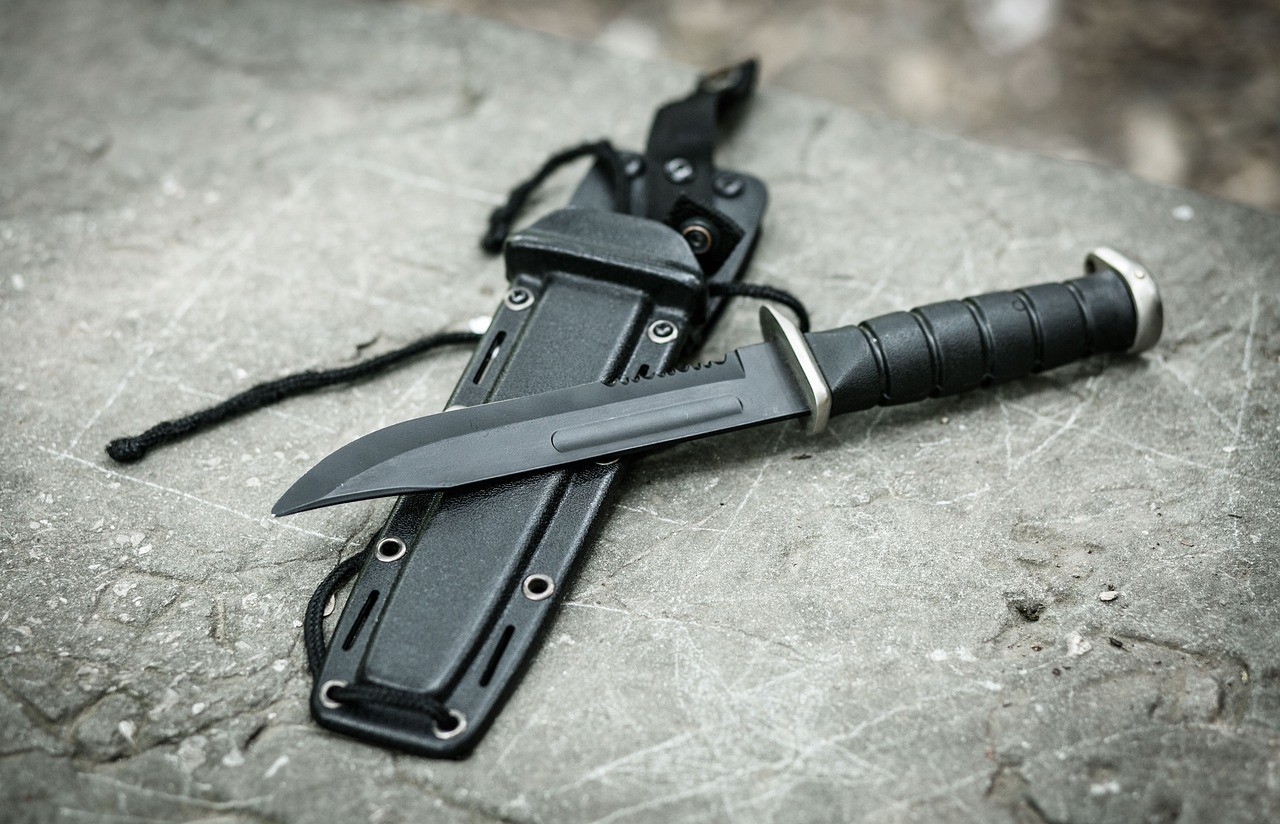
Understanding how these steels perform across key metrics is essential for selecting the right material for your knife production line and target market.
The table below provides a detailed performance comparison across the most critical attributes for knife manufacturers and retailers:
| Performance Metric | ELMAX | M390 | Winner |
|---|---|---|---|
| Hardness (HRC) | 57 – 61 | 60 – 62 | M390 |
| Edge Retention | 8/10 | 9/10 | M390 |
| Toughness | 7/10 | 6/10 | ELMAX |
| Corrosion Resistance | 9/10 | 9/10 | Tie |
| Wear Resistance | 8/10 | 9/10 | M390 |
| Sharpening Ease | 6/10 | 4/10 | ELMAX |
| Best For | Heavy-duty use | Premium EDC | Context-dependent |
Hardness
After heat treatment, M390 typically reaches 60–62 HRc versus ELMAX’s 57–61 HRc. A 2 HRc gap looks minor on paper, but for thin-ground kitchen knives and precision EDC geometry, the difference in edge stability is perceptible under real cutting loads.
ELMAX’s lower hardness isn’t a liability — for outdoor knives and tactical blades where impact resistance matters more than maximum edge retention, it translates directly to lower chipping risk.
Edge Retention
M390 has a measurable edge retention advantage. According to Knife Steel Nerds’ metallurgical analysis, edge retention in high-alloy stainless steels is driven by three factors: hardness, carbide volume, and carbide hardness. M390 leads on all three. Vanadium carbides (hardness ~2,800 HV) are significantly harder than chromium carbides (~1,800 HV), giving M390 superior resistance to abrasive wear.
For professional chefs or high-frequency cutting applications, M390 blades will stay sharp noticeably longer between sharpenings. In everyday use, the gap between the two steels is smaller than spec sheets suggest — it becomes meaningful primarily in demanding or prolonged cutting scenarios.
Toughness
This is where ELMAX wins outright. Per ZKnives’ ELMAX overview, “for a high carbide, high chromium steel, ELMAX is still reasonably tough” — the key phrase being “for a steel in this class.” That toughness advantage is exactly why it dominates the tactical and hard-use fixed blade segment.
M390 is not fragile, but its higher hardness and greater carbide volume increase chipping risk under lateral stress, prying, or impact loading. If your customers are hunters, outdoor professionals, or tactical users, ELMAX’s toughness is a differentiator worth calling out in your product copy.
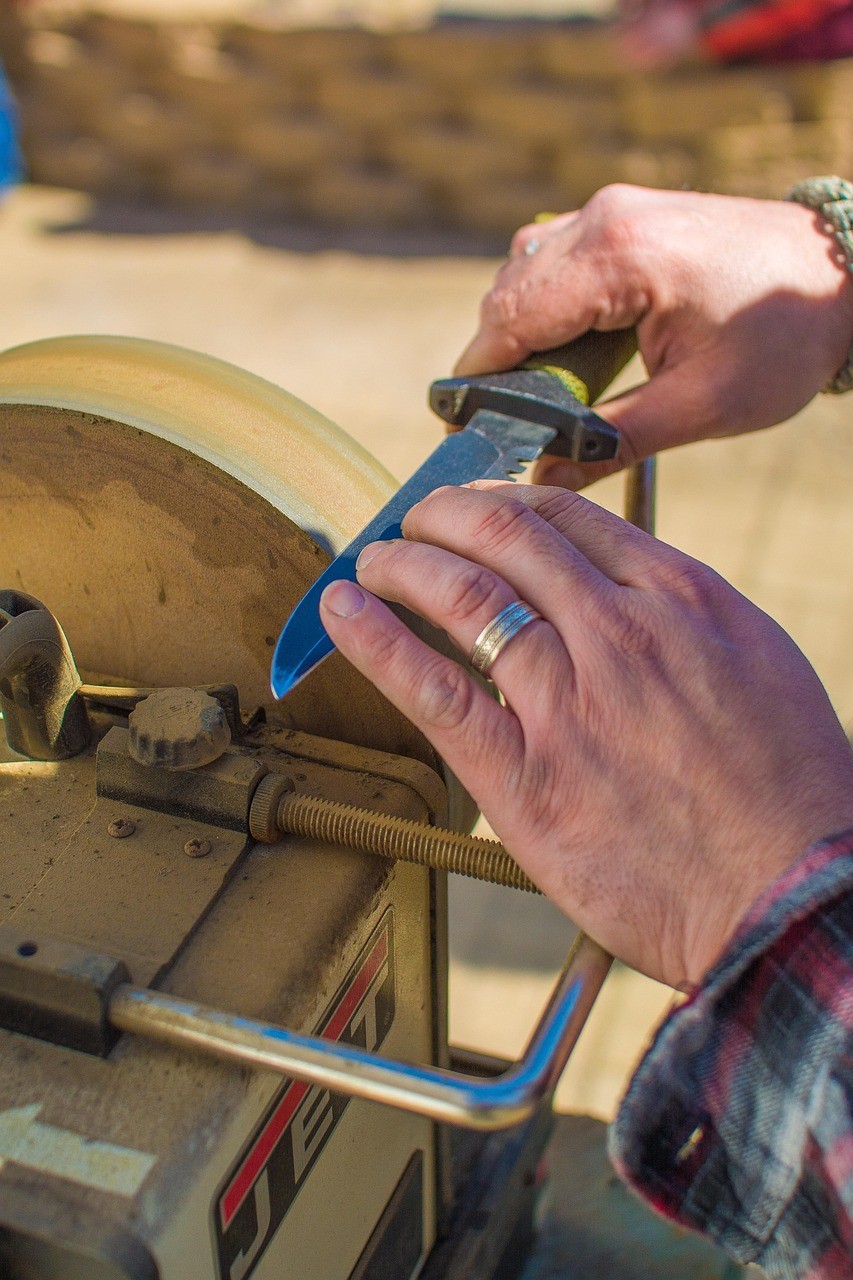
Both steels are demanding to sharpen — M390 significantly more so.
- M390: Diamond stones or CBN (cubic boron nitride) abrasives are effectively required. Standard alumina or ceramic stones remove material too slowly to be practical.
- ELMAX: Still requires quality sharpening tools, but high-grit diamond stones are sufficient for experienced users at home.
Retail implication: M390 knives stay sharp longer but need professional sharpening or dedicated equipment. Customers who lack that setup are more likely to complain about dull edges — or return the knife. ELMAX’s lower maintenance threshold tends to produce fewer friction points post-purchase.
Corrosion Resistance
Both steels are genuine stainless performers. M390’s 20% chromium content gives it a theoretical edge, but in practice — humid kitchens, coastal climates, occasional air drying — they perform at essentially the same level.
Both represent a major upgrade over carbon steels like D2 or 1095, which directly translates to fewer warranty claims and higher long-term customer satisfaction.
What Real Users Say
Beyond lab data, community consensus from BladeForums and Reddit reveals a consistent pattern among experienced knife users:
- “M390 for folders, ELMAX for fixed blades” — the most upvoted community recommendation, driven by ELMAX’s toughness advantage in hard-use scenarios.
- Heat treatment matters more than steel choice — multiple experienced users agree that a well-heat-treated ELMAX blade can match or exceed a poorly heat-treated M390 in edge retention. As one BladeForums member put it: “It all depends on the maker and their heat treat as to which steel is better.”
- The performance gap is smaller than specs suggest — several users with hands-on experience in both steels describe them as “ballpark the same” in everyday cutting tasks, with differences becoming apparent only in demanding or specialized use.
Sourcing takeaway: A manufacturer’s heat treatment capability is a higher-priority vetting criterion than the steel designation itself.
Use Cases: ELMAX vs M390
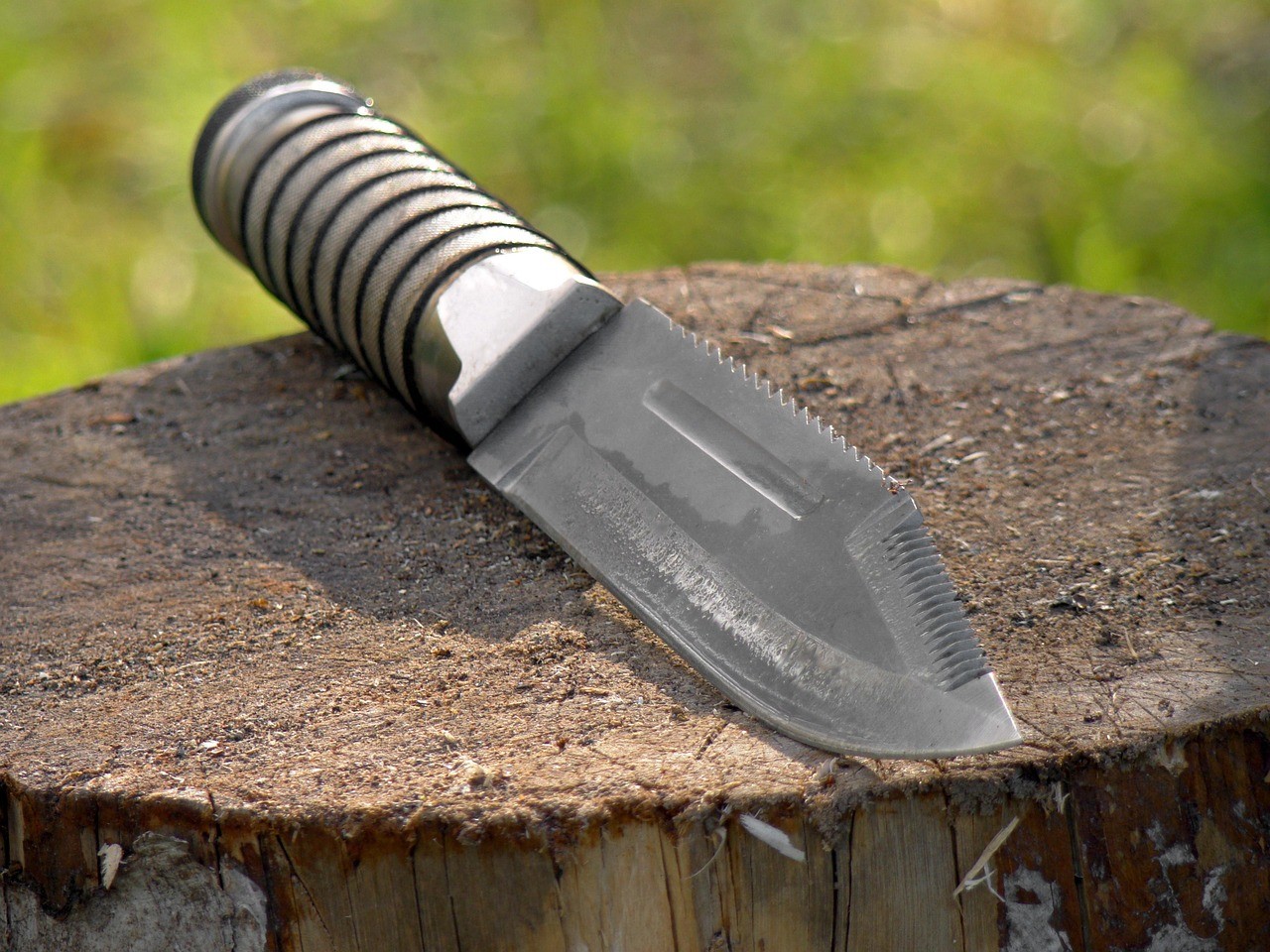
Both ELMAX and M390 are versatile premium steels, but each has application areas where it truly shines. Understanding these use cases helps you match the right steel to your customers’ specific needs.
Kitchen Knives
M390’s edge retention advantage is most valuable in commercial kitchens, where chefs perform hundreds of cuts daily and longer sharpening intervals have direct operational value.
ELMAX performs excellently in home kitchen settings, where its easier sharpening is a genuine benefit for users who maintain their own knives.
Stocking both options lets you cover different buyer profiles without cannibalizing either segment.
EDC and Folding Knives
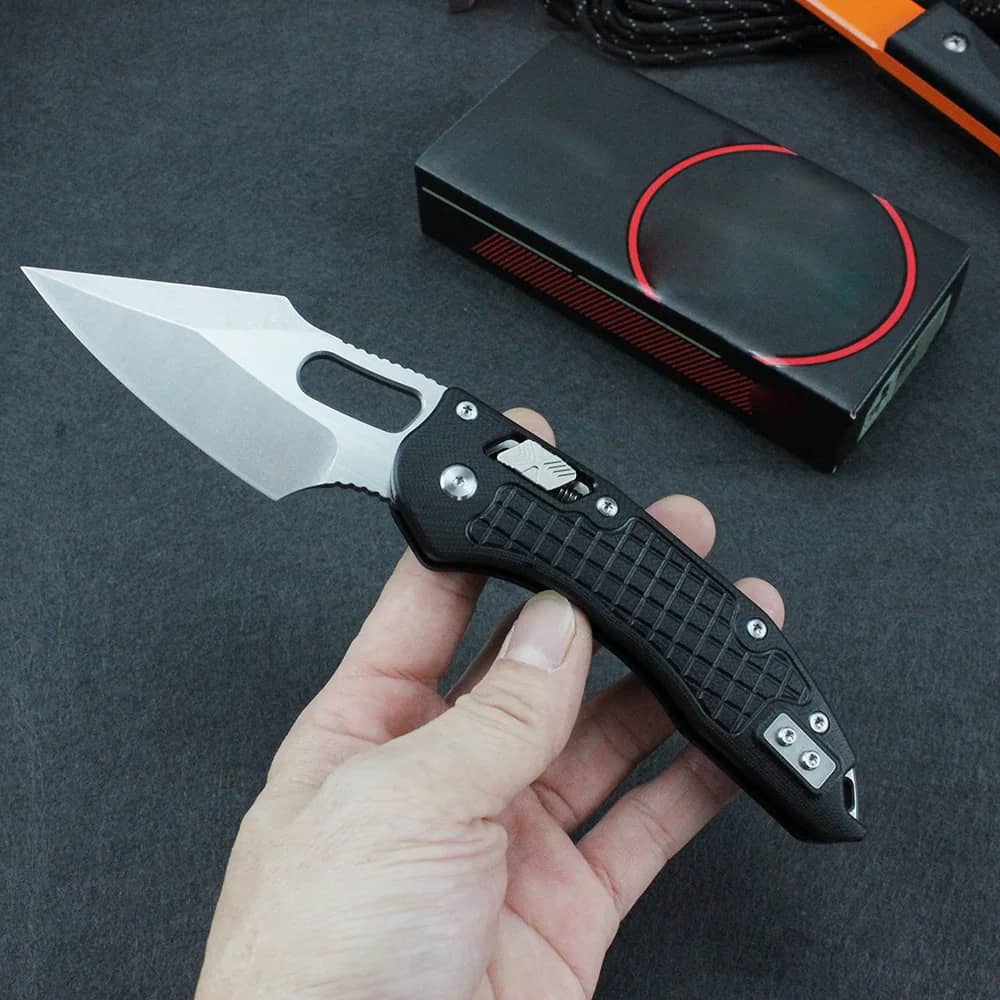
M390 G10 Folding Knife LKFDK10040
M390 has established brand recognition in the EDC community — knife enthusiasts and collectors actively seek it out, which supports higher retail margins with less customer education effort. ELMAX is less dominant in this segment but a stronger choice for hard-use EDC buyers who actually deploy their knife rather than collect it.
Tactical and Outdoor Knives
ELMAX is the clearer choice here. Prying, chopping, batoning, and survival use cases demand toughness above all else. M390 can be used in tactical applications, but it performs best in controlled cutting scenarios — not high-impact, high-stress field conditions.
ELMAX vs M390: Pricing and Cost Structure
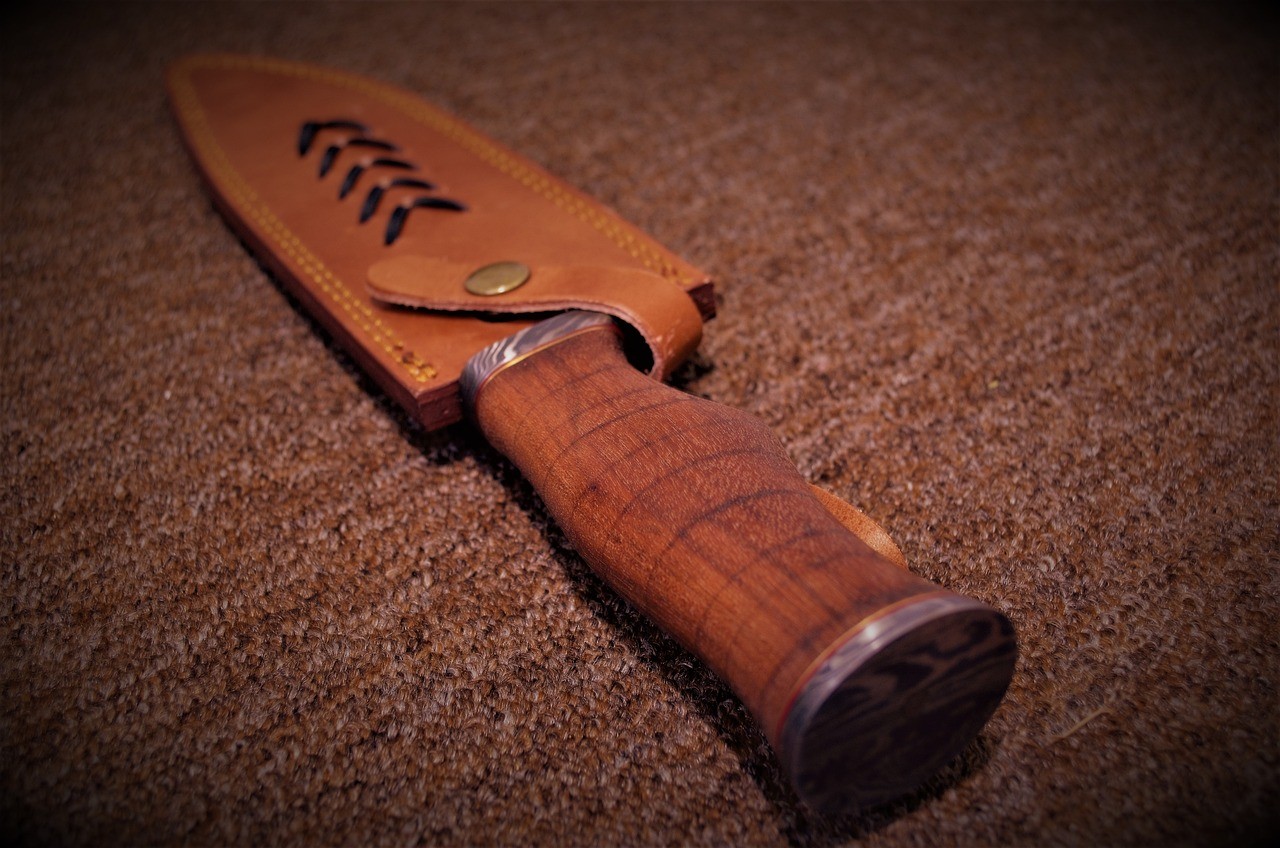
Price is always a consideration when sourcing materials for your knife production. Both ELMAX and M390 command premium prices compared to mainstream steels, but there are meaningful cost differences across the entire value chain that affect your margins and retail positioning.
Raw Material Cost
M390 commands approximately 10–20% higher raw material cost than ELMAX. Based on our industry sourcing experience at LeeKnives, both steels are significantly more expensive than mainstream options like VG-10 or S30V, but the gap between M390 and ELMAX is consistent across suppliers.
The primary cost drivers are M390’s additional tungsten content and higher vanadium percentage, both of which increase alloying costs.
Manufacturing Cost
M390’s higher hardness (60–62 HRc) and elevated vanadium carbide volume make it considerably harder on tooling during production. Grinding belts and CNC cutting tools wear out faster when processing M390 compared to ELMAX, increasing per-unit manufacturing costs by an estimated 15–25%.
ELMAX, while still a demanding steel to work with, is more forgiving during grinding and finishing — reducing abrasive consumption and production cycle time.
Supply Chain Considerations
Both steels are produced by subsidiaries of Voestalpine (Bohler and Uddeholm), with primary manufacturing based in Europe. For Yangjiang-based manufacturers like LeeKnives, lead times and MOQs for both steels are comparable, though M390’s higher market demand occasionally creates tighter availability during peak ordering seasons.
| Cost Factor | ELMAX | M390 |
|---|---|---|
| Raw Material | High | Very High (+10–20%) |
| Grinding & Tooling Cost | Moderate-High | High (+15–25% more tool wear) |
| Retail Price Range | $150–$350 | $200–$500+ |
| Target Segment | Mid-premium | Ultra-premium |
Pricing data reflects LeeKnives’ internal industry experience across wholesale production runs. Retail ranges are based on current North American market positioning.
M390’s cost premium is systemic, not just in raw material — it accelerates grinding belt and CNC tooling wear during production, adding an estimated 15–25% to per-unit manufacturing cost. ELMAX delivers a total cost advantage across the entire production chain, not just at the material sourcing stage.
Final Verdict: Which Is Better for Your Knife Business?
The ELMAX vs M390 debate doesn’t have a simple winner — both steels excel in the premium knife market, but they serve different customer segments. The performance gap between the two is real but smaller than many enthusiasts suggest, and most end users will be thoroughly satisfied with either option.
Choose ELMAX if:
- Your customers prioritize toughness and durability for outdoor, tactical, or heavy-duty use
- You want to offer premium performance at a more accessible price point
- Easier sharpening and lower maintenance is a selling point for your customer base
Choose M390 if:
- Your customers demand the absolute best edge retention and hardness available
- You’re targeting the ultra-premium segment where price is secondary to performance
- Brand recognition and customer familiarity with M390 is important for your sales strategy
- Your product line focuses on kitchen knives, EDC blades, or collector-grade pieces
The optimal strategy: stock both. Use ELMAX to capture the hard-use and value-premium buyer; use M390 to anchor your ultra-premium tier. This approach maximizes addressable market without positioning conflict between SKUs.
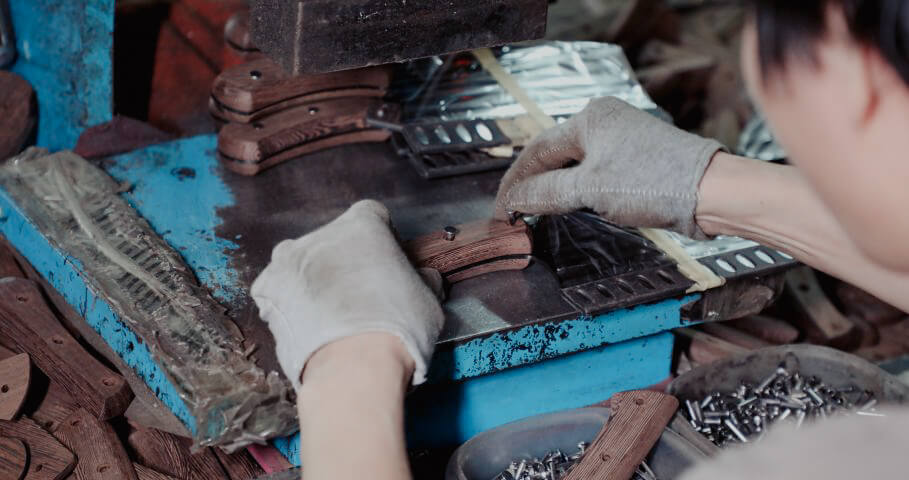
LeeKnives is a knife manufacturer based in Yangjiang City with over 30 years of experience crafting blades.
We supply countless North American knife stores and wholesalers with high-quality ELMAX and M390 knives at competitive wholesale prices. Through our affordable pricing and OEM capabilities, we can help your business scale up with premium steel products.
Request a quote for wholesale knives, custom OEM production, and expert consultation on selecting the right steel for your product lineup.
Launch Your Custom Knife Line Faster with LeeKnives
Complete OEM/ODM support—from design to final shipment—so you can focus on growth.
Backed by warehouses in the U.S. for fast, reliable delivery.
Frequently Asked Questions
What popular knife brands use ELMAX and M390?
ELMAX: Microtech, Benchmade, and numerous custom makers who prioritize toughness alongside corrosion resistance.
M390: Benchmade, Spyderco, Zero Tolerance, and many high-end limited-production runs. M390 commands stronger brand pull in the EDC and collector segments.
Does heat treatment matter more than the steel itself?
Yes. The consistent consensus from experienced BladeForums users: “Heat treat determines the outcome; the steel designation is just the starting point.” When vetting suppliers, always request heat treatment protocols and hardness test documentation — not just the steel spec.
How do I know if M390 steel in a knife is authentic?
Price is the primary red flag — genuine M390 is expensive to source and difficult to manufacture. Suspiciously low prices should trigger scrutiny.
Practical verification steps: request material certifications from your supplier, confirm hardness test results fall within the 60–62 HRc range, and assess the supplier’s corrosion resistance track record across their customer base.




 EN
EN  JA
JA  DE
DE