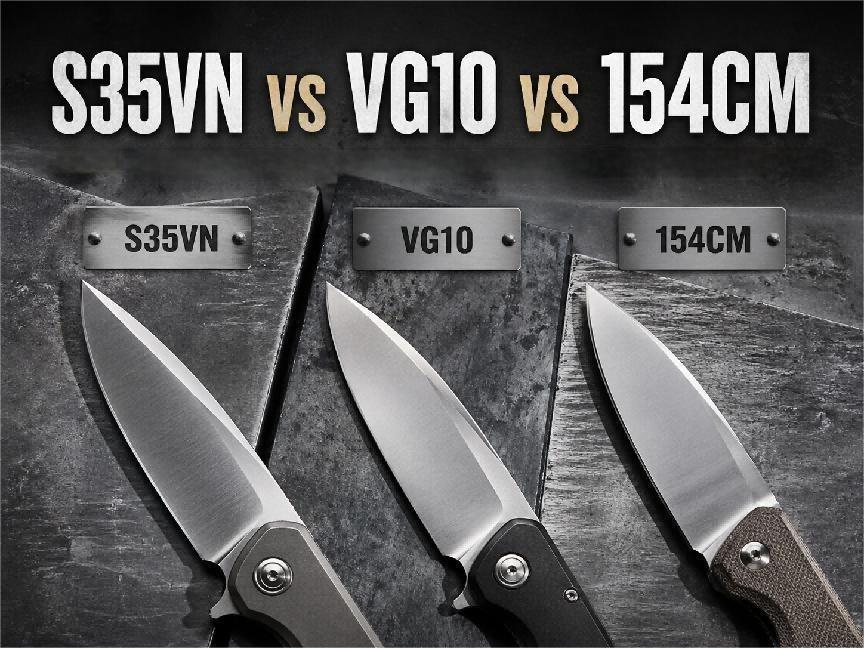
The knife retail landscape has shifted dramatically over the past decade. Today’s wholesale buyers must stock blades that satisfy both performance expectations and price sensitivity. Understanding the nuances between popular steels gives your business a measurable edge over competitors.
When sourcing premium cutlery for your customers, three alloys consistently dominate procurement discussions: S35VN, VG-10, and 154CM. These steels frequently come up when knife store owners and distributors evaluate mid-to-premium inventory options.
Which alloy delivers the highest margins and customer satisfaction? This guide breaks down the metallurgical facts to help you make an informed inventory decision.
Key differences at a glance
| Property | S35VN | VG-10 | 154CM |
| Hardness Range | 58 – 62 HRc | 58 – 62 HRc | 60 – 64 HRc |
| Edge Retention | Excellent (145% vs 440C) | Good | Very Good (120% vs 440C) |
| Toughness | Excellent (12 ft-lbs) | Good | Moderate (2.5 ft-lbs) |
| Corrosion Resistance | Very Good | Excellent | Very Good |
| Sharpening Ease | Moderate | Easy | Moderate |
| Manufacturing Process | CPM Powder Metallurgy | Conventional Ingot | Conventional Ingot |
| Typical Price Tier | Premium | Mid-to-Premium | Mid-Range |
| Origin | USA | Japan | USA |
What is S35VN steel?
Developed by Crucible Industries using Crucible Particle Metallurgy (CPM), S35VN is a martensitic stainless steel engineered for premium blade applications. The CPM process produces finer carbide distribution than conventional methods, delivering superior toughness and batch-to-batch consistency.
Launched in 2009 as an improved successor to S30V, S35VN added niobium to address the toughness complaints that plagued its predecessor. The result is a steel that dominates the premium pocket knife and tactical blade markets, with manufacturers like Benchmade and Spyderco featuring it in their flagship models.
What is VG-10 steel?
VG-10 (V Gold 10) is a high-carbon stainless steel developed by Takefu Special Steel Co. in Japan and renowned for its balanced performance. The cobalt-enriched formulation has made it a gold-standard material for Japanese kitchen knives and culinary blades worldwide.
First introduced in the 1980s, VG-10 gained global recognition when major Japanese knife brands adopted it for their high-end chef knife lines. The steel holds an edge well enough for professional kitchens while remaining easy to sharpen without specialized equipment.
What is 154CM steel?
154CM is a high-carbon, high-chromium stainless steel originally developed by Crucible Industries for aerospace applications before knifemakers adopted it in the 1970s. Learn more about 154CM steel properties in our dedicated guide.
Its 4% molybdenum content sets it apart from 440C, delivering better wear resistance and hot hardness for demanding cutting tasks. The steel’s straightforward heat treatment and wide availability have made it a workhorse for American manufacturers like Benchmade and Buck.
S35VN vs VG-10 vs 154CM: Chemical composition comparison
The table below puts all three alloys side by side. Use this to quickly identify which steel aligns with your target price point and performance requirements.
| Element | S35VN | VG-10 | 154CM | Winner |
|---|---|---|---|---|
| Carbon (C) | 1.40% | 0.95 – 1.05% | 1.05% | S35VN — longest edge life |
| Chromium (Cr) | 14.00% | 14.5 – 15.5% | 14.00% | VG-10 — best rust resistance |
| Vanadium (V) | 3.00% | 0.1 – 0.3% | — | S35VN — 10× more, premium driver |
| Molybdenum (Mo) | 2.00% | 0.9 – 1.2% | 4.00% | 154CM — tactical/military grade |
| Niobium (Nb) | 0.50% | — | — | S35VN exclusive — 15-20% tougher |
| Cobalt (Co) | — | 1.0 – 1.5% | — | VG-10 exclusive — batch stability |
| Manganese (Mn) | 0.50% max | 0.50% max | 0.50% | Equal — uniform across all |
| Silicon (Si) | 0.50% max | 0.50% max | 0.50% | Equal — mirror finish on all |
Data Sources: Crucible S35VN Data, Takefu VG10 Specs, and Hudson Tool 154CM Datasheet.
What the numbers mean for your inventory
S35VN packs the most carbon and vanadium — the two primary drivers of edge retention — which explains its CATRA dominance and premium pricing power.
VG-10 is the only alloy with cobalt and the highest chromium, giving it unmatched corrosion resistance and batch consistency for large orders.
154CM leads in molybdenum, a spec that resonates strongly with tactical buyers and military contractors. For retailers, these composition gaps directly translate to positioning strategy: stock S35VN for enthusiasts, VG-10 for culinary markets, and 154CM for tactical and value segments.
S35VN vs VG-10 vs 154CM: Head-to-head comparison
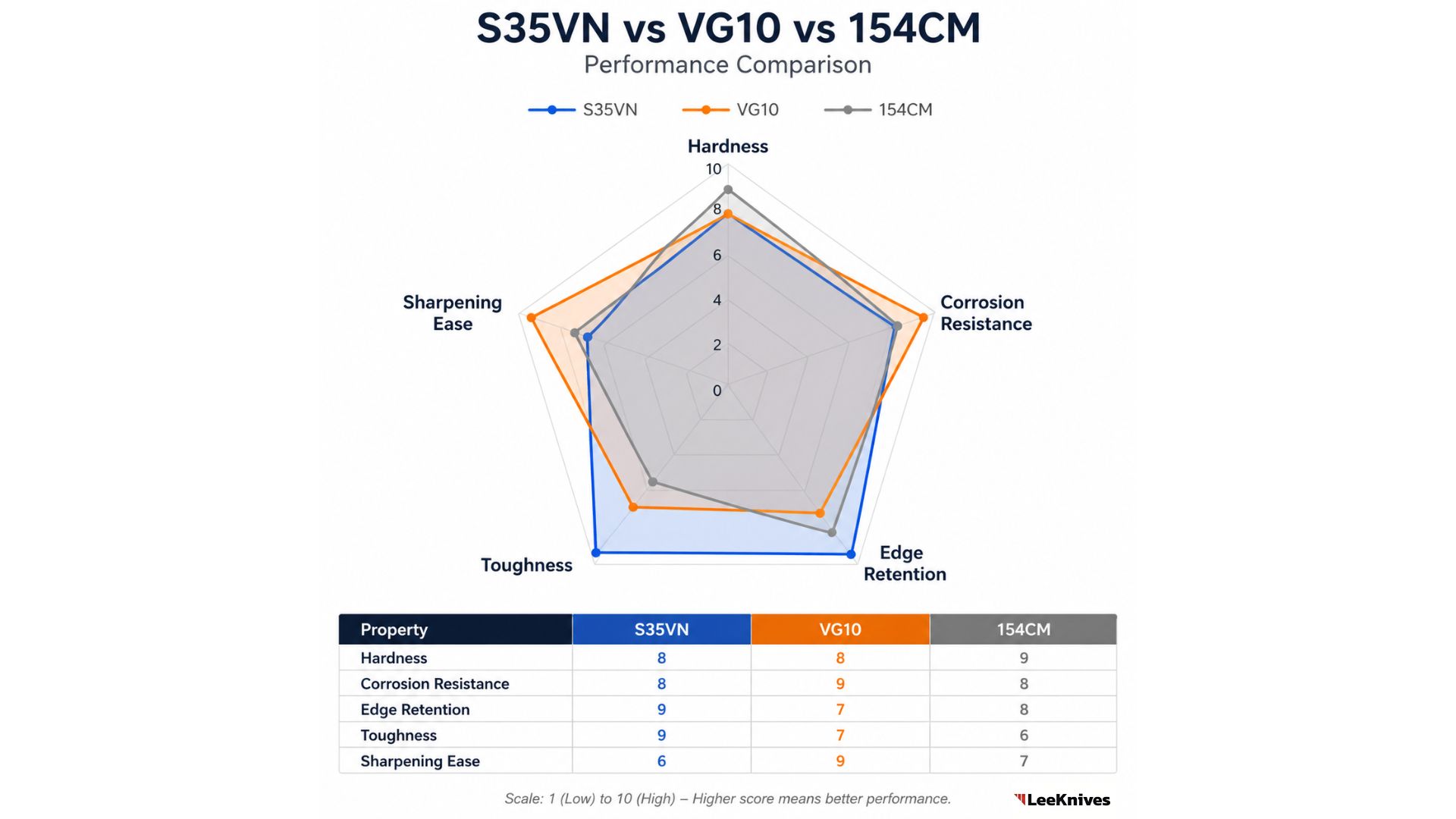
Now we break down the five properties that matter most to your customers and your bottom line.
Hardness
Hardness measures a steel’s resistance to permanent deformation under stress. All three steels reach 58-62 HRc on the Rockwell hardness scale in standard knife applications, with 154CM capable of pushing to 64 HRc when heat-treated aggressively.
S35VN and VG-10 both top out around 62 HRc, offering a balanced profile for everyday cutting tasks. 154CM can reach slightly higher hardness, giving it marginally better edge stability in premium applications.
For retailers, the practical difference is minimal — all three satisfy demanding users without compromising blade integrity.
Corrosion resistance
Corrosion resistance reflects how well a steel resists rust and oxidation. Chromium is the primary driver, with 12% generally considered the threshold for stainless classification.
VG-10 leads with 15% chromium, making it the safest choice for kitchen and marine environments. S35VN and 154CM both carry 14% chromium and resist rust effectively under normal conditions. If your customers prioritize low maintenance, VG-10 kitchen knives will generate fewer corrosion complaints.
Edge retention
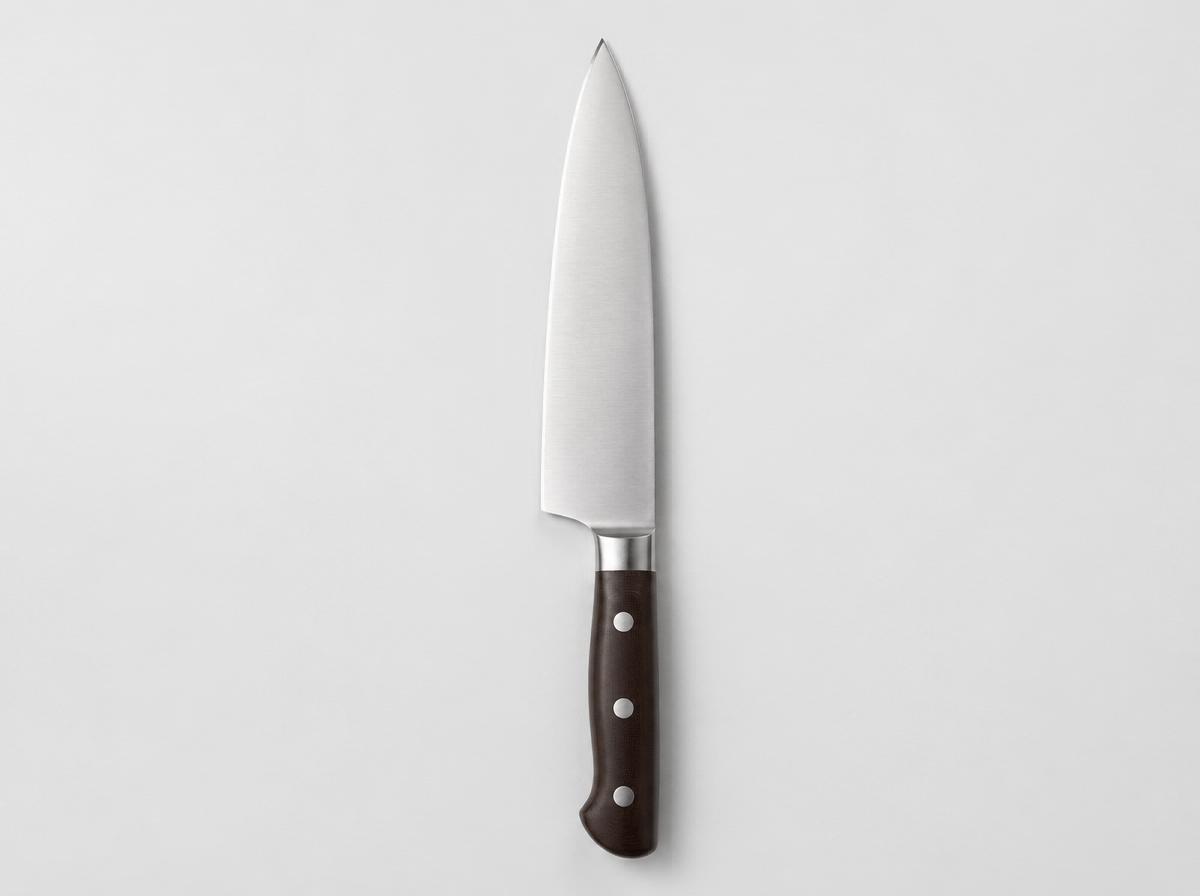
Edge retention measures how long a blade stays sharp during cutting. CATRA testing provides an objective benchmark comparing steels against a 440C baseline.
S35VN dominates at 145% relative to 440C, followed by 154CM at 120%. VG-10 delivers respectable performance but requires more frequent touch-ups under heavy use. For retailers, S35VN knives command higher prices and attract enthusiasts who value cutting endurance above all else.
Toughness
Toughness indicates resistance to chipping, cracking, and edge damage under impact. This is critical for customers who use knives in demanding conditions.
S35VN achieves approximately 12.0 ft-lbs in transverse impact testing — roughly four times higher than 154CM at 2.5 ft-lbs. VG-10 sits comfortably in the middle.
The CPM manufacturing process gives S35VN a decisive advantage here. Retailers selling outdoor and tactical knives should prioritize S35VN for lower return rates and stronger customer loyalty.
Sharpening ease determines how quickly a customer can restore a dull edge. Softer, simpler carbide structures generally sharpen faster and more predictably.
VG-10 is the easiest of the three to sharpen, appealing to home cooks and casual users who lack specialized equipment. S35VN and 154CM require more effort due to their higher carbide content.
However, the extra sharpening time pays off with significantly longer edge life. Retailers should stock VG-10 for accessibility and S35VN for enthusiasts willing to invest in maintenance.
Best use cases for your inventory
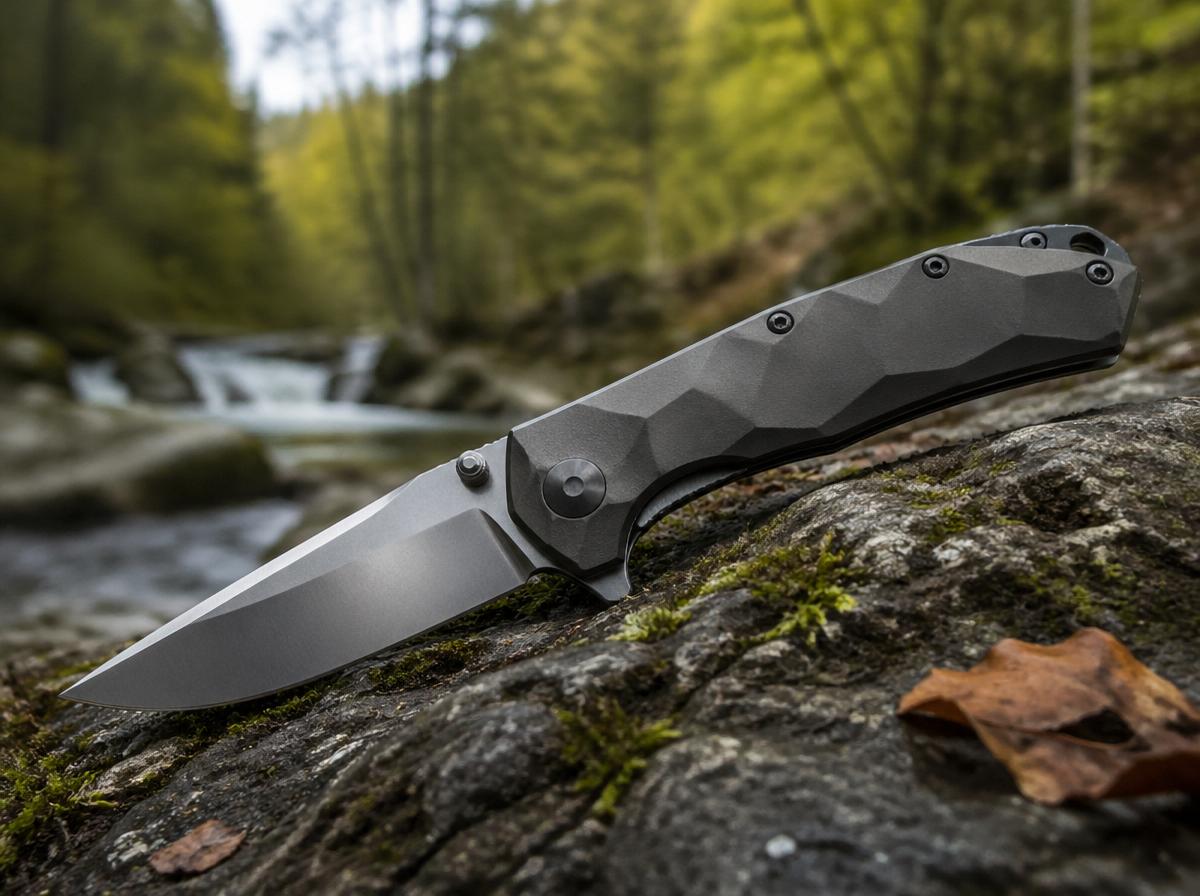
S35VN is suitable for
- Premium EDC and tactical knives: The superior toughness and edge retention make S35VN blades a top choice for customers seeking lifelong tools. Retailers can position these at higher price points with confidence.
- Custom and high-end knives: Knifemakers favor S35VN for its grindability and polishability. Stocking S35VN blanks or finished custom knives attracts enthusiast collectors.
- Heavy-duty outdoor knives: The 15-20% toughness improvement over S30V means fewer returns from customers using blades in demanding conditions.
VG-10 is suitable for
- Kitchen and culinary knives: VG-10 remains the gold standard for chef knives and santoku blades. The ease of sharpening appeals to both professionals and home cooks.
- Everyday carry folders: The balanced properties and Japanese heritage make VG-10 EDC knives highly marketable to enthusiasts who value craftsmanship.
- Marine and food-processing environments: The outstanding corrosion resistance minimizes rust complaints from customers working in wet conditions.
154CM is suitable for
- Entry-to-mid-level pocket knives: The accessible price point makes 154CM knives excellent gateway products for customers upgrading from budget steels like AUS-8.
- Tactical and utility knives: The proven track record in military and law enforcement applications provides strong marketing credibility.
- OEM and private-label programs: The straightforward heat treatment requirements and wide availability make 154CM cost-effective for large-volume orders.
Pros and cons for wholesale buyers
S35VN
Pros
- Superior edge retention and toughness justify premium pricing for high-margin inventory.
- CPM manufacturing delivers batch-to-batch consistency, reducing quality complaints.
- American-made heritage appeals to domestic buyers seeking transparent sourcing.
Cons
- Premium wholesale costs squeeze margins if retail pricing is constrained.
- Specialized CPM manufacturing can extend lead times for large OEM orders.
VG-10
Pros
- Exceptional corrosion resistance minimizes warranty claims and maintenance inquiries.
- Easy sharpening broadens the customer base beyond knife enthusiasts.
- Japanese craftsmanship heritage commands premium positioning in culinary markets.
Cons
- Edge retention trails S35VN in demanding applications.
- Japanese supply chain exposes pricing to currency and shipping volatility.
154CM
Pros
- Best cost-to-performance ratio among the three, leaving healthy retail margins.
- Proven American reputation provides instant credibility with tactical buyers.
- Wide availability and simple heat treatment simplify large-volume procurement.
Cons
- Lower toughness increases edge chipping risk under heavy use.
- Lacks “super steel” marketing appeal compared to S35VN.
Cost & supply chain: Market dynamics for 2026
| Metric | S35VN | VG10 | 154CM |
|---|---|---|---|
| Relative Raw Material Cost | Highest ($$$) | Moderate ($$) | Low–Moderate ($) |
| Average Lead Time | 12+ Weeks | 8–10 Weeks | 4–6 Weeks |
| Inventory Risk | Moderate (High unit cost) | Low (Steady demand) | Very Low (Fast turnover) |
- S35VN (High Premium / Tight Supply): As a CPM (Powder Metallurgy) steel, S35VN is the most expensive to source. Due to the specialized equipment required by Crucible Industries, lead times can extend to 12–16 weeks during peak demand. Expect higher MOQs (Minimum Order Quantities) from manufacturers. However, its high retail “status” allows for the largest absolute profit margins per unit.
- VG-10 (Mid-Range / Stable but Regional): VG-10 is a Japanese proprietary steel. While supply is generally stable, prices are sensitive to the JPY/USD exchange rate and international shipping costs from Japan. It is the “safe” premium choice for culinary lines, with moderate lead times (8–10 weeks).
- 154CM (Best Value / High Availability): Produced via conventional melting, 154CM is the most cost-effective and readily available. It has the shortest lead times (4–6 weeks) and is often available for smaller batch runs. It is the ideal alloy for maintaining high inventory turnover and healthy cash flow in the mid-market segment.
Conclusion: Which steel should you stock?
The toughness and the ability to resist edge chipping are where S35VN proves to be the superior steel. Since edge retention and corrosion resistance are also excellent, the premium pricing is justified for high-end inventory segments.
For most retailers, a diversified approach works best. S35VN knives attract enthusiast buyers willing to pay premium prices. VG-10 dominates the culinary market with its balance of performance and ease of maintenance. Meanwhile, 154CM captures the value-conscious segment without sacrificing quality.
From a price point, 154CM offers the highest margins for volume sales. VG-10 sits in the middle ground, appealing to customers who prioritize corrosion resistance. S35VN commands top dollar but delivers the performance to back it up.
Overall, stocking all three steels allows you to cover the full spectrum of customer needs. The key is positioning each steel correctly within your product lineup.
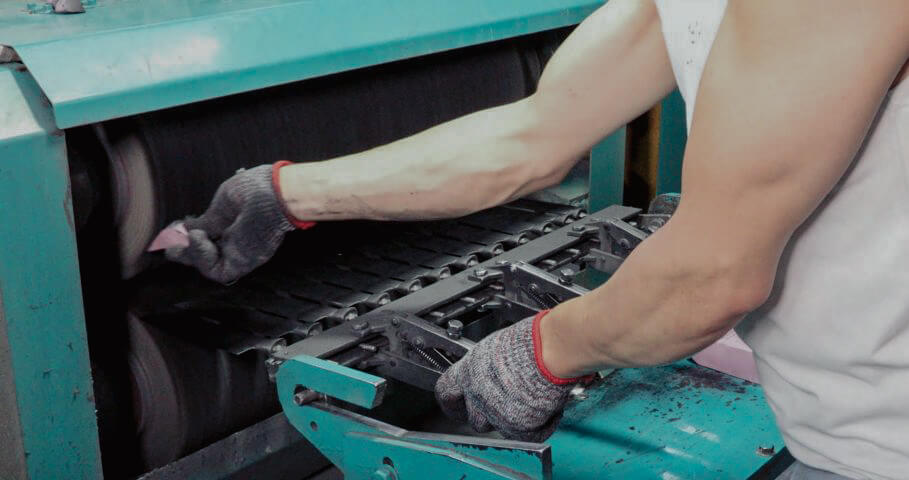
LeeKnives has been crafting blades in Yangjiang City for over 30 years. We supply North American retailers, distributors, and e-commerce brands with knives built from S35VN, VG-10, 154CM, and dozens of other steels. Our in-house metallurgists and heat-treatment specialists ensure every batch meets Crucible-certified standards.
Why buyers choose LeeKnives
- OEM & ODM Services: Custom designs, private labeling, and packaging tailored to your brand identity and market positioning.
- Global Fulfillment: Warehouses in the US and China reduce shipping times and landed costs for orders of any size.
- Competitive Wholesale Pricing: Factory-direct rates that protect your margins without compromising blade quality.
- Fast Turnaround: Lead times optimized for your order volume, not limited by the steel type you choose.
- Quality Assurance: Every blade inspected before shipment. No surprises, no defects, no delays.
Whether you need a small test order in S35VN or a bulk shipment of VG-10 chef knives, we make sourcing simple. Request a free quote and connect with a sales rep who understands knife steel — not just spreadsheets.
Launch Your Custom Knife Line Faster with LeeKnives
Complete OEM/ODM support—from design to final shipment—so you can focus on growth.
Backed by warehouses in the U.S. for fast, reliable delivery.
Frequently asked questions
Is 154CM steel better than S35VN?
No. S35VN outperforms 154CM in both toughness (12 ft-lbs vs. 2.5 ft-lbs) and edge retention (145% vs. 120% relative to 440C). However, 154CM costs significantly less, making it the better choice for value-focused inventory and high-volume OEM programs.
Is S35VN better than VG-10?
It depends on the application. S35VN is tougher and holds an edge longer, making it superior for tactical and heavy-duty use. VG-10 has better corrosion resistance and is easier to sharpen, making it the better choice for kitchen knives and culinary markets.
Does 154CM chip easily?
More so than S35VN. 154CM’s high carbide volume (17.5%) improves wear resistance but reduces fracture toughness to around 2.5 ft-lbs. It handles everyday tasks well but is not ideal for hard-impact or prying applications.
154CM sits in the mid-range tier. It delivers professional-grade performance — better than budget steels like AUS-8 or 440C — but falls short of premium CPM steels like S35VN in toughness and edge retention. It’s best positioned as a high-value, accessible option rather than a top-shelf premium.
What is the difference between 154CM and S35VN steel?
The key differences are manufacturing process and toughness. S35VN is made via CPM powder metallurgy, giving it a finer carbide structure, ~4× higher toughness, and better edge retention. 154CM uses conventional ingot production, costs less, and has faster lead times (4–6 weeks vs. 12+ weeks for S35VN).
Does S35VN rust easily?
No. S35VN contains 14% chromium, which provides strong corrosion resistance for most environments including outdoor and food prep use. It is not the top performer in this category — VG-10’s 15% chromium gives it a slight edge — but S35VN is reliable under normal conditions.
What is the best sharpening angle for S35VN?
Most manufacturers recommend 17°–20° per side for S35VN. This angle balances edge sharpness with durability given the steel’s hardness range of 58–62 HRc. Diamond stones or quality ceramic rods are recommended for efficient edge restoration.
What is VG-10 comparable to?
VG-10 is most often compared to S35VN and 154CM in Western markets. In Japanese steel terms, it sits above VG5 and below ZDP-189. For culinary applications, it competes directly with German steels like X50CrMoV15, but typically outperforms them in edge retention and hardness.
What is 154CM comparable to?
154CM is functionally similar to ATS-34 (its Japanese equivalent) and is often compared to D2 and S30V. It outperforms 440C in wear resistance and corrosion resistance, and is widely considered the benchmark mid-range American blade steel.
Is VG-10 a super steel?
Not by strict metallurgical standards. VG-10 is a high-performance stainless steel with excellent corrosion resistance and reliable edge retention, but “super steels” typically refer to CPM/powder metallurgy steels like S35VN, M390, or Elmax. VG-10 is premium, not super steel.
What’s better than S35VN?
For edge retention, M390, CPM 20CV, and Elmax outperform S35VN. For toughness at similar hardness, MagnaCut is a strong competitor. However, S35VN remains the industry standard for balancing toughness, edge retention, corrosion resistance, and machinability at a manageable cost for OEM production.




 EN
EN  JA
JA  DE
DE