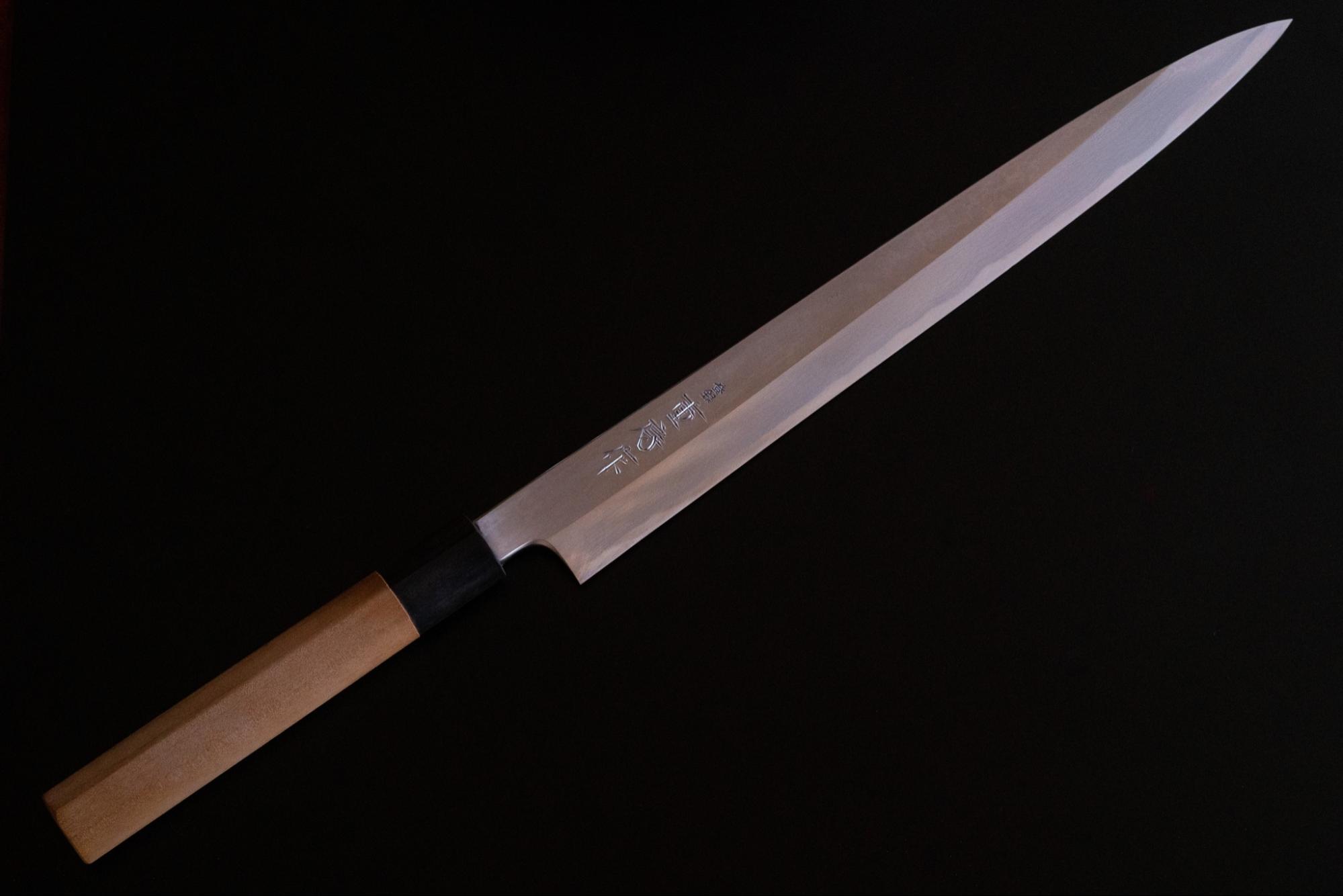
A ZDP-189 knife can hold its edge through months of slicing. It can also chip on frozen food or bone.
That is the SG2 vs ZDP-189 dilemma in one line. Both are premium Japanese powder metallurgy steels, hardened well beyond mainstream options like VG-10. Yet one is built for balance, and the other is built for extremes.
SG2 (also sold as R2 or Super Gold 2) comes from Takefu Special Steel. ZDP-189 comes from Hitachi Metals and pushes hardness to 64-67 HRc, near the ceiling of production knife steel. If you already read our SG2 steel review or ZDP-189 steel guide, you know each has a loyal following.
This comparison covers composition, real-world performance, and what each steel means for your product line—so you can stock the right one, or both.
SG2 vs ZDP-189: Quick Comparison
The table below is the only scorecard in this article. The sections after it explain why the numbers look this way.
| Property | SG2 (R2) | ZDP-189 (MC66) |
|---|---|---|
| Manufacturer | Takefu Special Steel (Kobelco) | Hitachi Metals |
| Steel Type | Powder Metallurgy Stainless | Powder Metallurgy Stainless |
| Hardness Range | 62-64 HRc | 64-67 HRc |
| Edge Retention | 8/10 | 10/10 |
| Toughness | 6/10 | 4/10 |
| Corrosion Resistance | 8/10 | 6/10 |
| Wear Resistance | 8/10 | 10/10 |
| Ease of Sharpening | 6/10 | 3/10 |
| Price | High | Very High |
| Best For | Premium kitchen knives, EDC | Ultra-premium slicers, collectors |
Key features at a glance:
| SG2 (R2) | ZDP-189 (MC66) | |
|---|---|---|
| Strengths | Balanced performance, fine carbide structure, true stainless behavior | 3% carbon + 20% chromium, industry-leading hardness, exceptional edge life |
| Weaknesses | Lower max hardness, premium price over VG-10, limited supply outside Japan | Brittle and chip-prone, very hard to sharpen, expensive to produce |
The short version: ZDP-189 wins on paper. SG2 wins in most kitchens.
Chemical Composition: SG2 vs ZDP-189
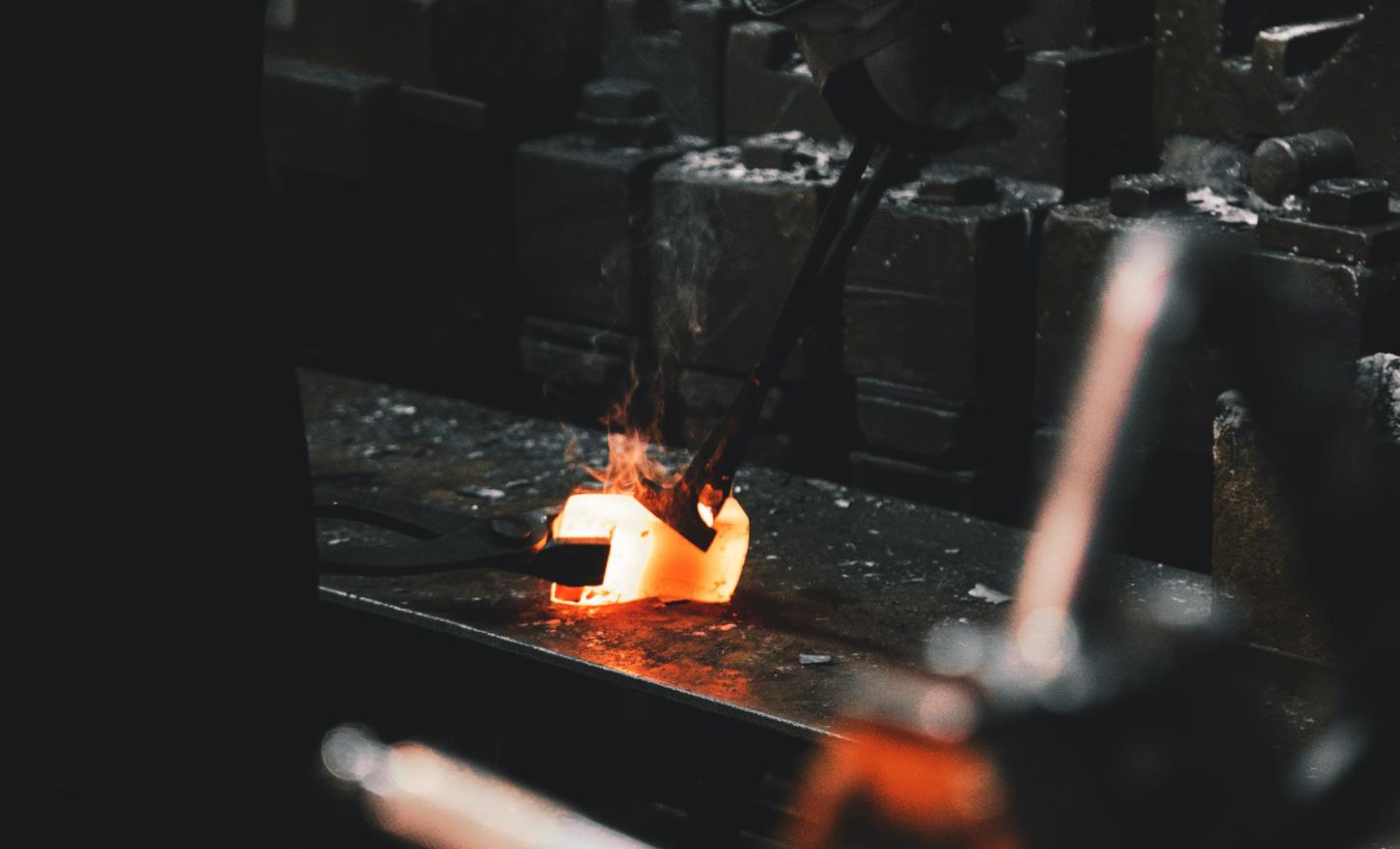
SG2 Steel Composition
- Carbon: 1.25-1.45%
- Chromium: 14.00-16.00%
- Molybdenum: 2.30-3.30%
- Vanadium: 1.80-2.20%
- Silicon: 0.50%
- Manganese: 0.40%
Phosphorus and sulfur are kept below 0.03%.
These figures match Zknives SG2 specification.
ZDP-189 Steel Composition
- Carbon: 3.00%
- Chromium: 20.00%
- Molybdenum: 1.40%
- Tungsten: 0.60%
- Vanadium: 0.10%
- Manganese: 0.50%
- Silicon: 0.40%
Hitachi’s official ZDP-189 datasheet lists only carbon and chromium, so the full figures above come from verified third-party data. Independent lab analysis by Knife Steel Nerds confirms the roughly 3% carbon and 20% chromium basis.
You may also see ZDP-189 sold as MC66 in Zwilling’s Miyabi line.
What the Composition Tells You
Two numbers explain nearly every performance difference in this article:
- Carbon: 1.4% vs 3.0%. ZDP-189 forms roughly 30% carbide volume. More carbides mean more hardness and wear resistance—and more brittleness.
- Chromium: 14-16% vs 20%. On paper ZDP-189 looks more stainless. In practice, much of its chromium is locked inside carbides instead of protecting the steel, so it stains more easily than SG2.
SG2’s extra molybdenum (2.3-3.3% vs 1.4%) and vanadium (1.8-2.2% vs 0.1%) add hardenability, corrosion support, and grain refinement. No element in SG2 is extreme. That balance is deliberate.
The takeaway: ZDP-189 is engineered for maximum hardness. SG2 is engineered for balance.
Performance: Where the Numbers Come From
Hardness
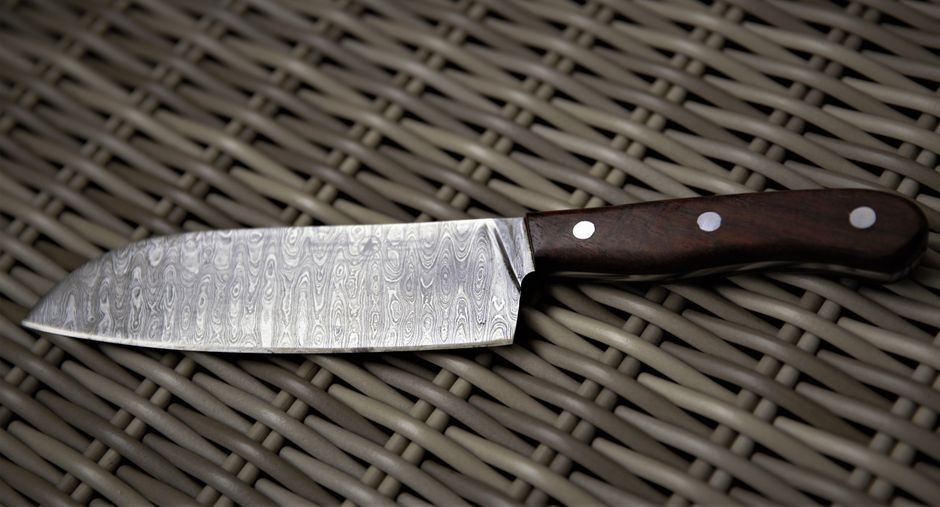
ZDP-189 is one of the hardest knife steels in regular production. Makers like Rockstead heat treat it to 64-67 HRc, and Hitachi rates its minimum working hardness at 65 HRc. SG2 sits at 62-64 HRc—still very hard for a stainless steel, and comfortably above VG-10 on the Rockwell hardness scale.
Why it matters: higher hardness supports a thinner, keener edge. It also narrows the margin for error in heat treatment and daily use.
Corrosion Resistance
Chromium only protects steel when it is free in the matrix. In ZDP-189, a large share of the 20% chromium is bound in carbides—lab analysis estimates only about 6.5% chromium remains in solution—so real-world stain resistance is only moderate. A neglected ZDP-189 blade can spot or stain.
SG2 keeps more of its chromium available, and its molybdenum adds pitting resistance. For humid kitchens or acidic ingredients, SG2 is the safer stainless choice.
Edge Retention
Edge retention is ZDP-189’s core advantage. Its dense carbide field keeps the edge keen through months of heavy slicing—well past what SG2, VG-10, or AUS-10 can do.
SG2 still performs far above mainstream stainless steels. For daily professional prep, the gap matters less than marketing suggests, because most knives are honed or stropped long before either steel is truly dull.
Launch Your Custom Knife Line Faster with LeeKnives
Complete OEM/ODM support—from design to final shipment—so you can focus on growth.
Backed by warehouses in the U.S. for fast, reliable delivery.
Toughness
Toughness is ZDP-189’s weak point. The same carbide volume that delivers edge retention creates paths for cracks to spread. Bones, frozen food, and glass cutting boards can chip the edge.
SG2 resists micro-chipping noticeably better. It survives busy commercial kitchens where a ZDP-189 blade would demand careful handling.
Wear Resistance
Wear resistance is performance against abrasive media—cardboard, rope, fibrous vegetables. ZDP-189’s massive carbide content makes it the clear winner. SG2’s molybdenum and vanadium carbides still cover any realistic kitchen or EDC task.
Ease of Sharpening
Extreme wear resistance has a cost: difficult sharpening. ZDP-189’s chromium carbides are nearly as hard as sharpening abrasives themselves, so standard stones cut slowly. Diamond or CBN plates are strongly recommended. For your customers, that means more maintenance cost and more skill required.
SG2 sharpens willingly on standard whetstones, one reason Japanese chefs favor it in these types of knives. For technique, see our guide on how to sharpen kitchen knives.
Best Use Cases: Which Steel for Which Knife
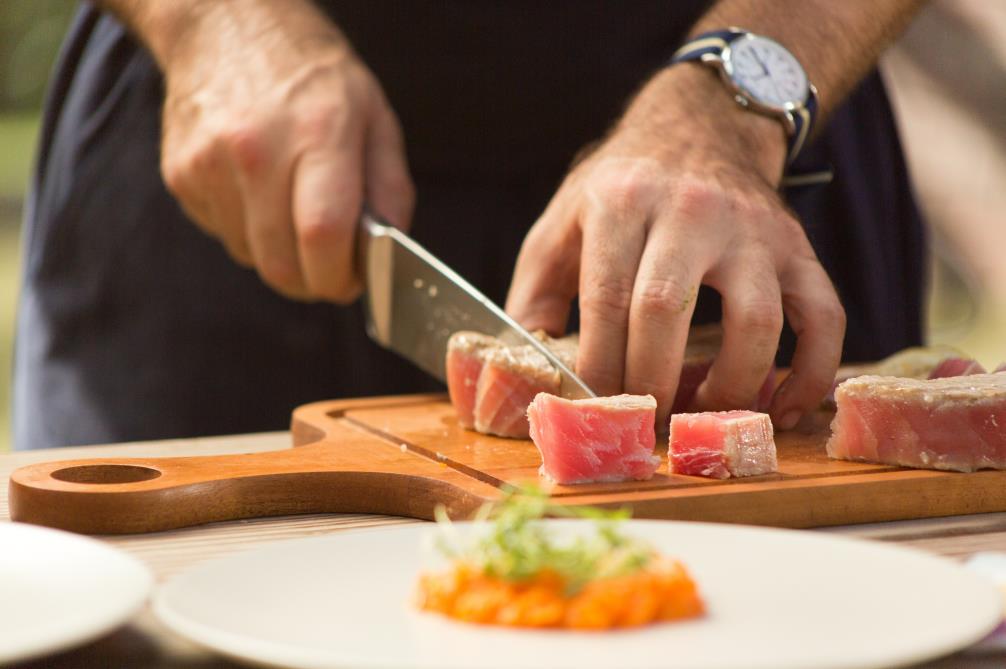
SG2: The Professional Kitchen Workhorse
SG2 shines in gyutos, santokus, and petty knives built for daily professional use. It combines carbon-steel-like cutting feel with true stainless convenience.
For wholesalers, SG2 hits a sweet spot: premium positioning, broad appeal, low return rates. Our guide to the best steel for kitchen knives adds context if you are speccing a full kitchen line.
ZDP-189 belongs in slicing-focused blades where edge retention is everything: high-end EDC folders like the Spyderco Dragonfly, or flagship kitchen lines such as Miyabi’s MC66 series.
This steel targets collectors and enthusiasts who understand its limits. It is not for rough use, prying, or abuse-prone customers.
How to Choose: A 4-Step Check for Your Product Line
Step 1: Define the user’s cutting style.
Mostly push-cutting and slicing on soft ingredients? Either steel works. Chopping, bones, or frozen food in the mix? Remove ZDP-189 from the list.
Step 2: Check the customer’s sharpening reality.
Will the end user own diamond stones, or pay for professional sharpening? If not, ZDP-189’s edge life advantage turns into a complaint.
Step 3: Match price tier to audience.
SG2 sells to a broad premium market. ZDP-189 sells to a narrow, educated one. Do not position ZDP-189 as an “upgrade” for average buyers—it is a different product, not a better one.
Step 4: Decide the portfolio role.
SG2 works as a flagship kitchen steel with steady volume. ZDP-189 works as a limited halo product that lifts brand perception. Many successful brands stock both, in exactly those roles.
What This Means for Your Knife Business
Both steels are premium Japanese imports, so material cost and availability matter. SG2 has a wider supply base through Takefu and Kobelco distributors, with predictable lead times. ZDP-189 costs noticeably more per kilogram and demands stricter heat treatment control to reach 65+ HRc without cracking—factor that into OEM quotes.
From a retail perspective, SG2 knives generate fewer complaints and returns. ZDP-189 knives justify higher margins but need honest product copy. Customers who chip a ZDP-189 blade without warning rarely buy again.
Conclusion: Which Steel Deserves Shelf Space?
ZDP-189 wins three categories: edge retention, wear resistance, and maximum hardness. SG2 wins five: toughness, corrosion resistance, ease of sharpening, price, and overall value.
| Factor | Winner |
|---|---|
| Edge Retention | ZDP-189 |
| Wear Resistance | ZDP-189 |
| Maximum Hardness | ZDP-189 |
| Toughness | SG2 |
| Corrosion Resistance | SG2 |
| Ease of Sharpening | SG2 |
| Price & Availability | SG2 |
| Overall Value | SG2 |
The verdict is not “SG2 is better.” It is that SG2 fits more customers, more use cases, and more price tiers. Stock SG2 as your premium core. Add ZDP-189 as a showcase piece for buyers who already know why they want it.
LeeKnives is a knife manufacturer based in Yangjiang City with over 30 years of blade-making experience. We supply knife stores and wholesalers with premium steel kitchen and EDC knives at factory-direct pricing.
Not sure which steel fits your market? Request a quote and our team will recommend the right material for your product line—wholesale, OEM, or ODM.
Frequently Asked Questions
Is ZDP-189 better than SG2?
Only if edge retention and hardness are your top priorities. SG2 offers better toughness, corrosion resistance, and much easier sharpening, making it the more practical choice for most users. “Better” depends entirely on how the knife will be used.
Is SG2 the same as R2 steel?
Yes. SG2 (Super Gold 2) is Takefu Special Steel’s name for the alloy, while Kobelco markets the identical composition as R2. Performance is the same regardless of which name appears on the blade.
Is ZDP-189 a stainless steel?
Technically yes, with a caveat. Although ZDP-189 contains 20% chromium, much of it is locked inside carbides, so real-world corrosion resistance is only moderate. It needs more care than true stainless steels like SG2 or VG-10.
Why is ZDP-189 so hard to sharpen?
ZDP-189 contains roughly 30% carbide volume, and those chromium carbides are nearly as hard as sharpening abrasives themselves. Standard stones cut slowly, so diamond or CBN plates are strongly recommended.
What is MC66 steel?
MC66 is Zwilling J.A. Henckels’ proprietary name for ZDP-189, used in their premium Miyabi knife lines. The composition and performance are identical.
Which steel is better for kitchen knives?
For most kitchen knives, SG2. It resists staining, survives busy prep work, and sharpens easily. ZDP-189 suits specialized slicers for skilled users who prioritize long edge life above all else.




 EN
EN  JA
JA  DE
DE