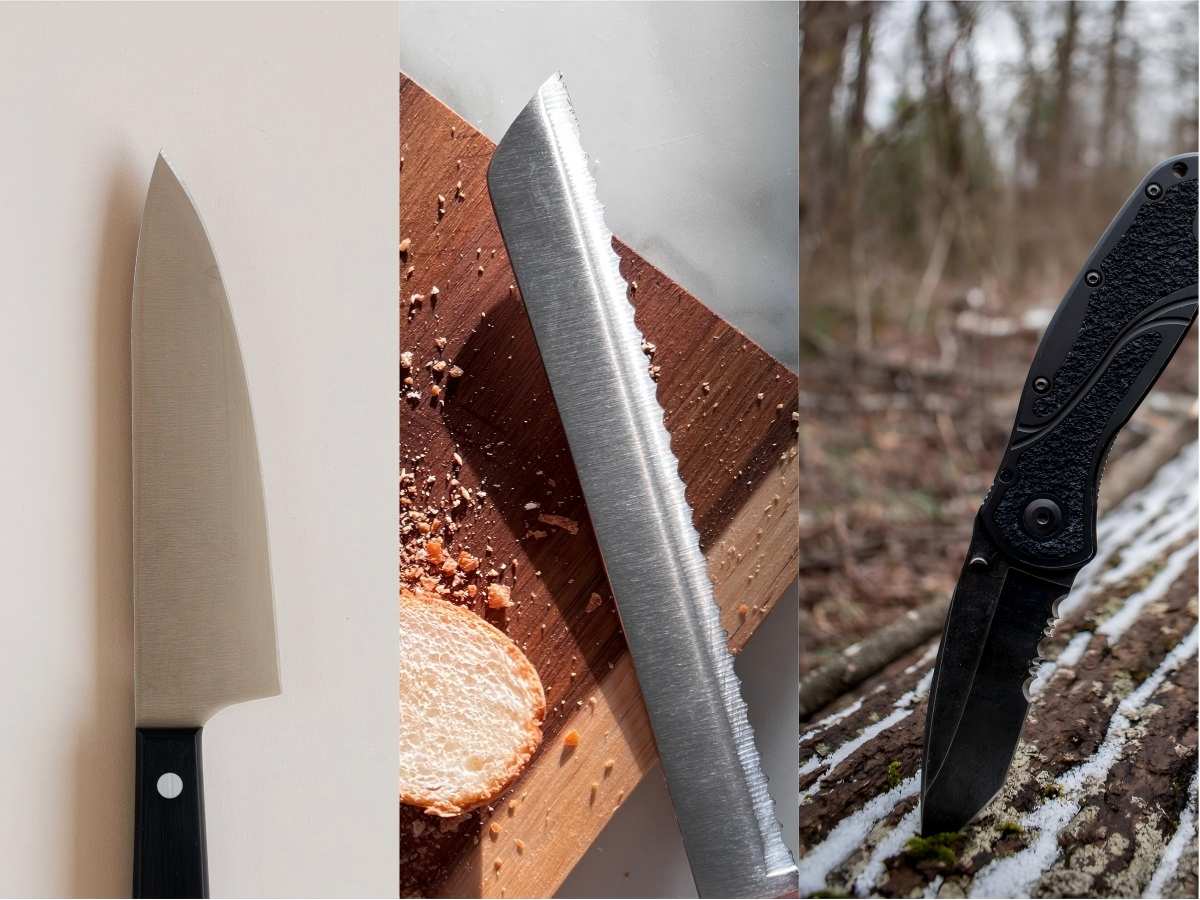
The knife edge is the part of the blade that does the cutting. Whether you call it a plain edge, serrated edge, scalloped edge, or combo edge, the edge type determines how the blade bites, slices, and holds sharpness.
For B2B buyers and knife retailers, choosing the right edge type is a product-line decision that affects manufacturing cost, sharpening service demand, and end-user satisfaction.
In this guide, we compare the four main knife edge types, explain when each one performs best, and show how to specify edge geometry for OEM and private-label knife lines.
Quick Note: The edge is only one part of knife anatomy. For a full breakdown of blade, tang, handle, and construction, see our complete knife anatomy guide.
What Are the Main Knife Edge Types?
There are four primary knife edge types used on production knives today. Each one changes the cutting action, maintenance requirements, and ideal user.
| Edge Type | Also Called | Cutting Action | Best For | Sharpening |
|---|---|---|---|---|
| Plain Edge | Fine edge, straight edge | Push cuts and clean slices | EDC, kitchen, precision work | Easy with whetstones or rods |
| Serrated Edge | Saw edge, tooth edge | Sawing and tearing motion | Bread, rope, seatbelts, fibrous material | Needs tapered rod or specialized tool |
| Combo Edge | Partially serrated, half-serrated | Mixed push + saw action | Users who want one knife for everything | More complex; two techniques needed |
| Scalloped Edge | Wavy edge, rounded serration | Gentle sawing | Soft foods, tomatoes, cakes | Moderate; easier than pointed serrations |
Your choice between these edge types depends on what your customers actually cut.
A plain edge is the default for most knives because it is versatile and easy to maintain. A serrated edge is a specialized feature that commands a loyal following in rescue, outdoor, and kitchen bread-knife markets. A scalloped edge offers a gentler sawing option for soft foods, while a combo edge tries to deliver both plain and serrated cutting in one blade.
Read our guide to knife blade shapes to see how edge type pairs with drop point, tanto, and sheepsfoot profiles.
What Is a Plain Edge (Fine Edge)?
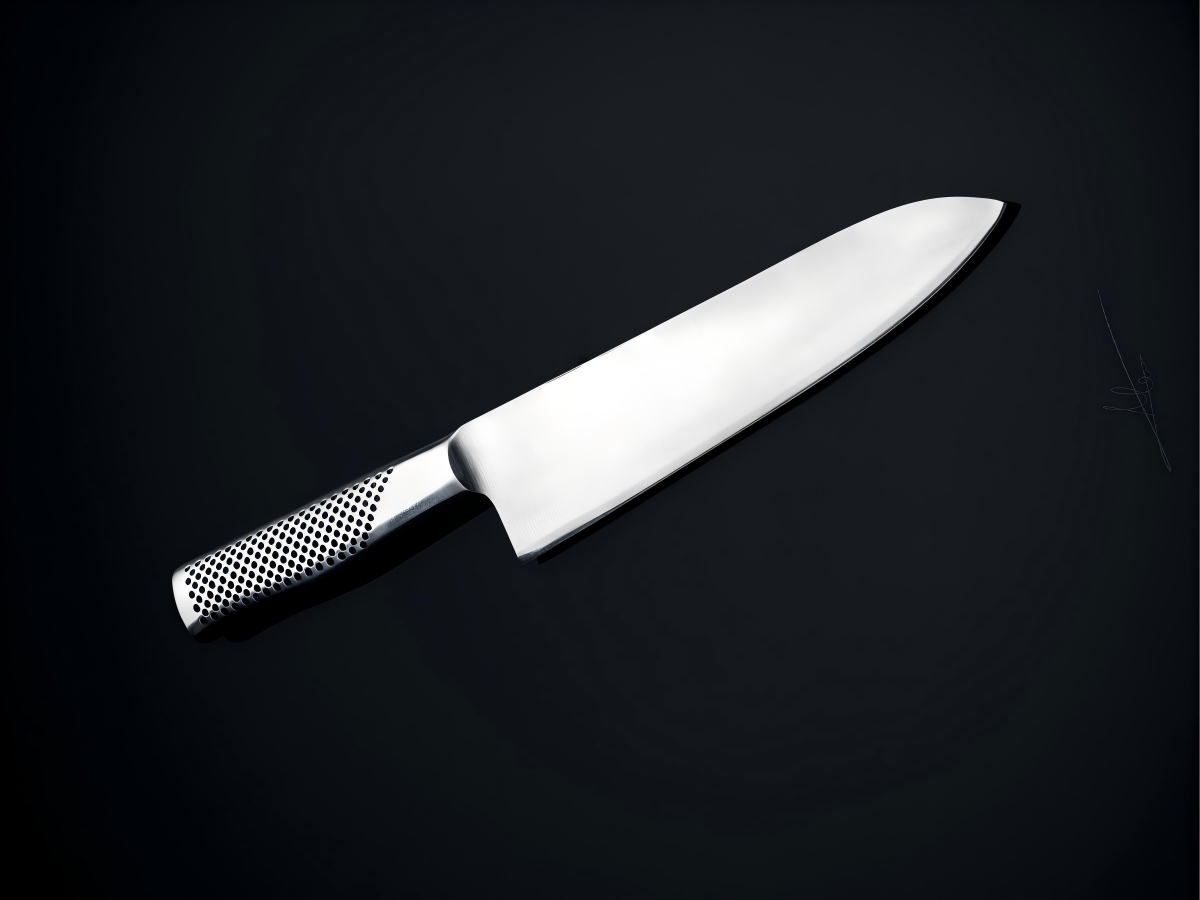
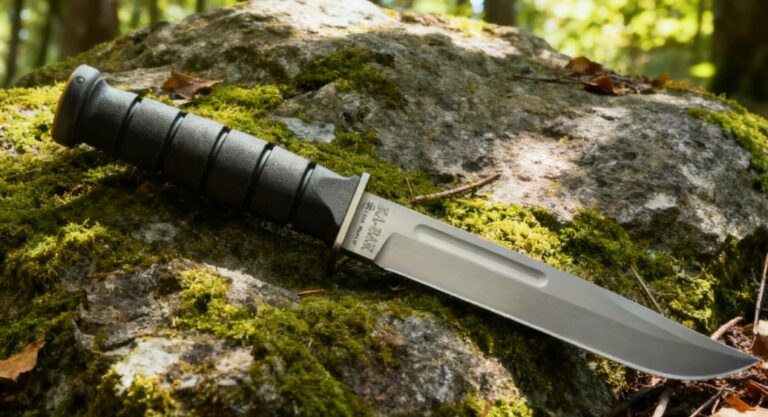
A plain edge is a single, continuous sharpened bevel with no teeth or interruptions. It is the most common edge type on chef’s knives, EDC folders, hunting knives, and tactical blades because it offers the most control.
Characteristics
- Smooth cutting surface: The edge meets material along a continuous line, producing clean, predictable cuts.
- Push-cut optimized: Plain edges excel when the blade is pushed or drawn straight through material.
- Sharpening-friendly: The uniform edge can be touched up on a whetstone, ceramic rod, or leather strop.
What Is a Plain Edge Knife Used For?
- Kitchen prep: Slicing vegetables, proteins, and herbs without tearing.
- EDC tasks: Opening packages, cutting tape, and general utility work.
- Outdoor work: Skinning game, carving wood, and making feather sticks.
- Precision tasks: Whittling, filleting, and detailed cutting where control matters.
Pros and Cons
Pros
- Clean, precise cuts with minimal tearing or fraying.
- Easy to sharpen with standard tools.
- Highly versatile across kitchen, EDC, and outdoor categories.
- Pairs well with almost any blade shape, from drop point to tanto.
Cons
- Struggles on tough fibrous materials like rope, seatbelts, and heavy webbing when not razor sharp.
- Requires more frequent maintenance if used on abrasive materials.
- Less effective for sawing motions compared to serrated edges.
B2B Insight: Plain edges are the default specification for most OEM knife lines because they are the least expensive to grind and the easiest for end users to maintain. For retailers, plain-edge knives generate fewer returns related to sharpening difficulty.
What Is a Serrated Edge?
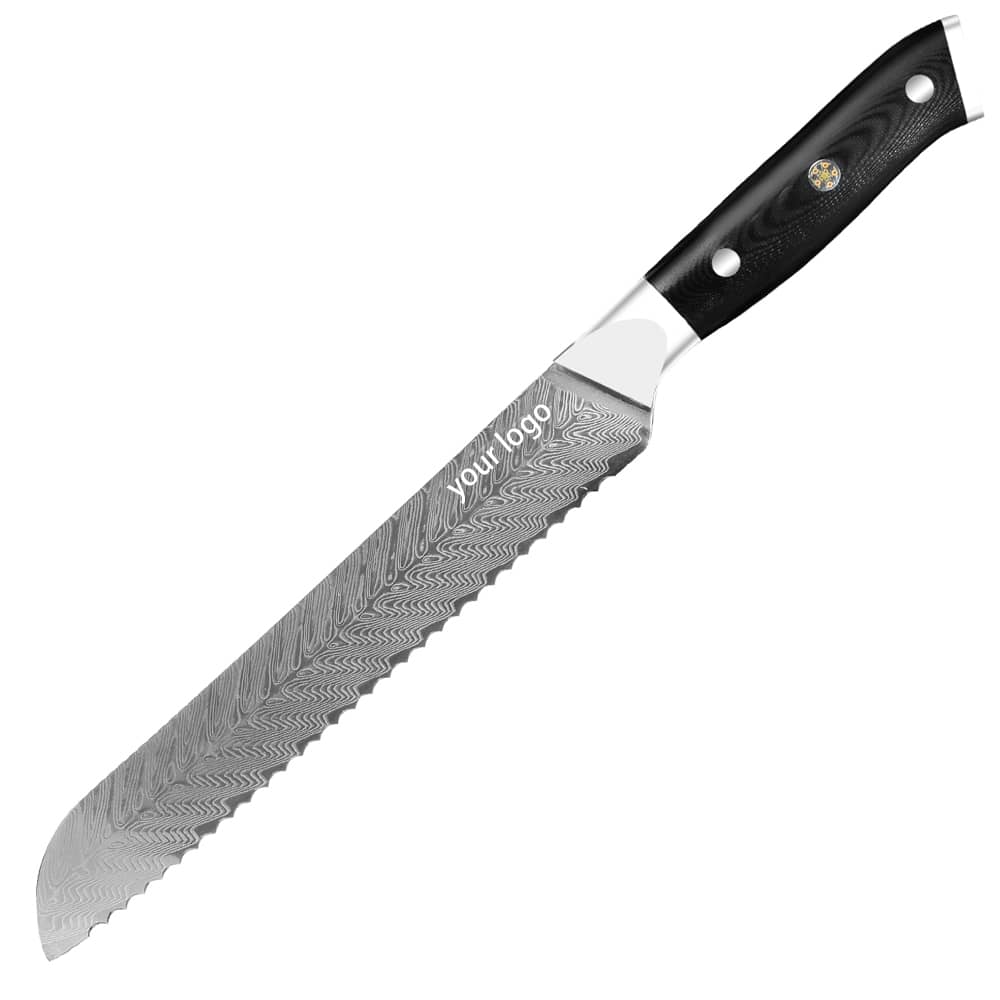
Damascus Clad 10Cr15CoMoV G10 Handle Bread Knife 240 mm KKDA0107
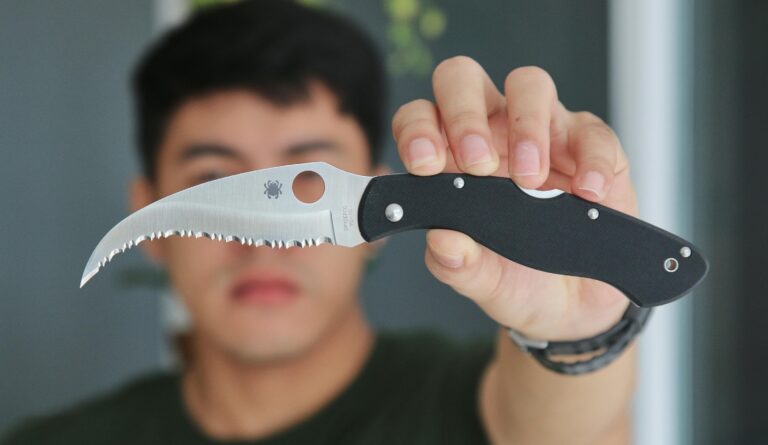
A serrated edge features a series of sharp teeth or scallops along the cutting line. These teeth concentrate force onto small points, allowing the blade to bite into hard or tough surfaces. Serrations are common on bread knives, rescue knives, and some outdoor blades.
Common Serrated Edge Patterns
| Pattern | Description | Typical Use |
|---|---|---|
| Classic Serrated | Sharp, pointed teeth with deep gullets | Bread knives, rope cutting |
| Double Serrated | Raised tips with scallops between | Hybrid cutting; longer edge life |
What Is a Serrated Knife Used For?
- Bread and baked goods: Saws through crust without crushing the soft interior.
- Steak and dining knives: Serrations grip grilled or seared meats without tearing. Read our full comparison of serrated vs non-serrated steak knives.
- Rope, webbing, and seatbelts: Bites into synthetic fibers under tension.
- Rescue and emergency tools: Cuts through tough materials when speed matters.
- Tomatoes and citrus: Teeth pierce slippery skins before the edge completes the cut.
Pros and Cons
Pros
- Excellent bite on fibrous and tough materials.
- Retains cutting ability even when slightly dull because the teeth still grip.
- Ideal for sawing motions where a plain edge would skid.
Cons
- Harder to sharpen without a tapered rod or serrated-sharpener.
- Produces rougher, more ragged cuts on soft materials.
- Can snag or catch on cardboard, fabric, or tape.
How to Sharpen a Serrated Edge
Restoring a serrated edge requires a tapered sharpening rod—usually ceramic or diamond—that fits into each gullet. Each tooth is sharpened individually, and the flat side of the blade is used only to remove the burr.
This process is slower than sharpening a plain edge, which is why many users send serrated knives to professional services.
B2B Insight: Serrated edges add 10–20% to grinding time because they require a shaped wheel or specialized cutter. However, they also justify a small retail premium in rescue, kitchen, and outdoor categories where the “saw-tooth” feature is a selling point.
What Is a Combo Edge (Partially Serrated)?
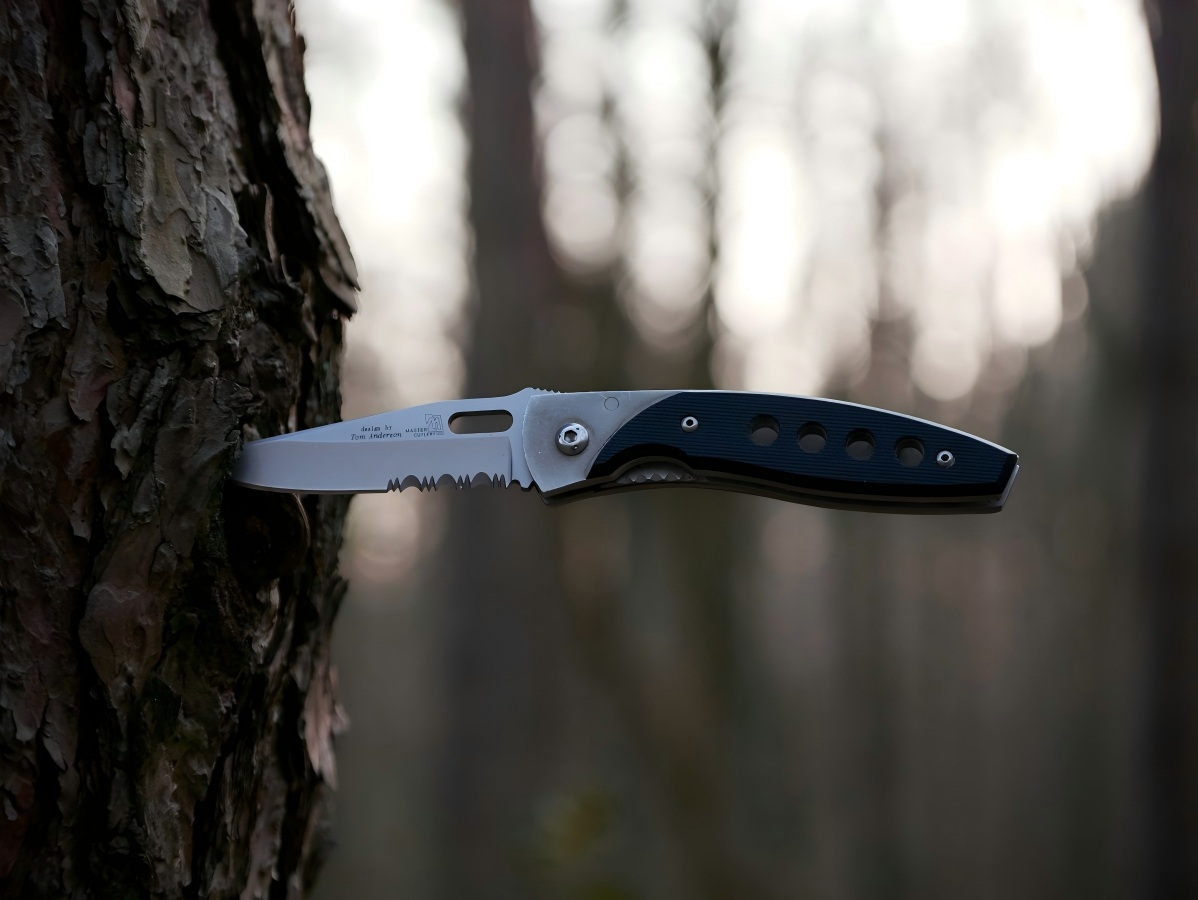
A combo edge combines a plain edge near the tip with a serrated section near the heel. The idea is simple: one blade handles both precision slicing and aggressive sawing. Combo edges are popular on EDC folders and some tactical knives.
Characteristics
- Plain section near the tip: Used for controlled, detailed cuts.
- Serrated section near the heel: Used for sawing rope, webbing, or fibrous material.
- Versatile but compromised: The blade is divided, so each section is shorter than a dedicated plain or serrated edge.
Pros and Cons
Pros
- Two edge types in one blade, reducing the need to carry multiple knives.
- Appeals to users who want a “do-it-all” knife.
- Popular on mainstream EDC models, so availability is high.
Cons
- Sharpening is more complex because two different techniques are needed.
- The transition zone between plain and serrated can create a weak spot.
- Each section is shorter, reducing cutting efficiency for specialized tasks.
- Not ideal for buyers who know exactly what they need.
How to Sharpen a Combo Edge
Sharpening a combo edge means addressing two different edge geometries on the same blade. Start with the plain section using a whetstone, ceramic rod, or leather strop to restore the continuous bevel.
Then move to the serrated section and use a tapered sharpening rod that matches the gullet size, sharpening each tooth individually.
Take care around the transition zone where the plain and serrated sections meet. Over-grinding this area can round the edge or weaken the blade.
Many users prefer to touch up the plain section regularly and send the serrated section to a professional service when it becomes dull.
B2B Insight: Combo edges require dual-stage grinding, which adds 8–15% to unit labor cost. For OEM runs under 1,000 units, a plain edge usually offers better margin unless the target market specifically requests partial serrations.
What Is a Scalloped Edge?
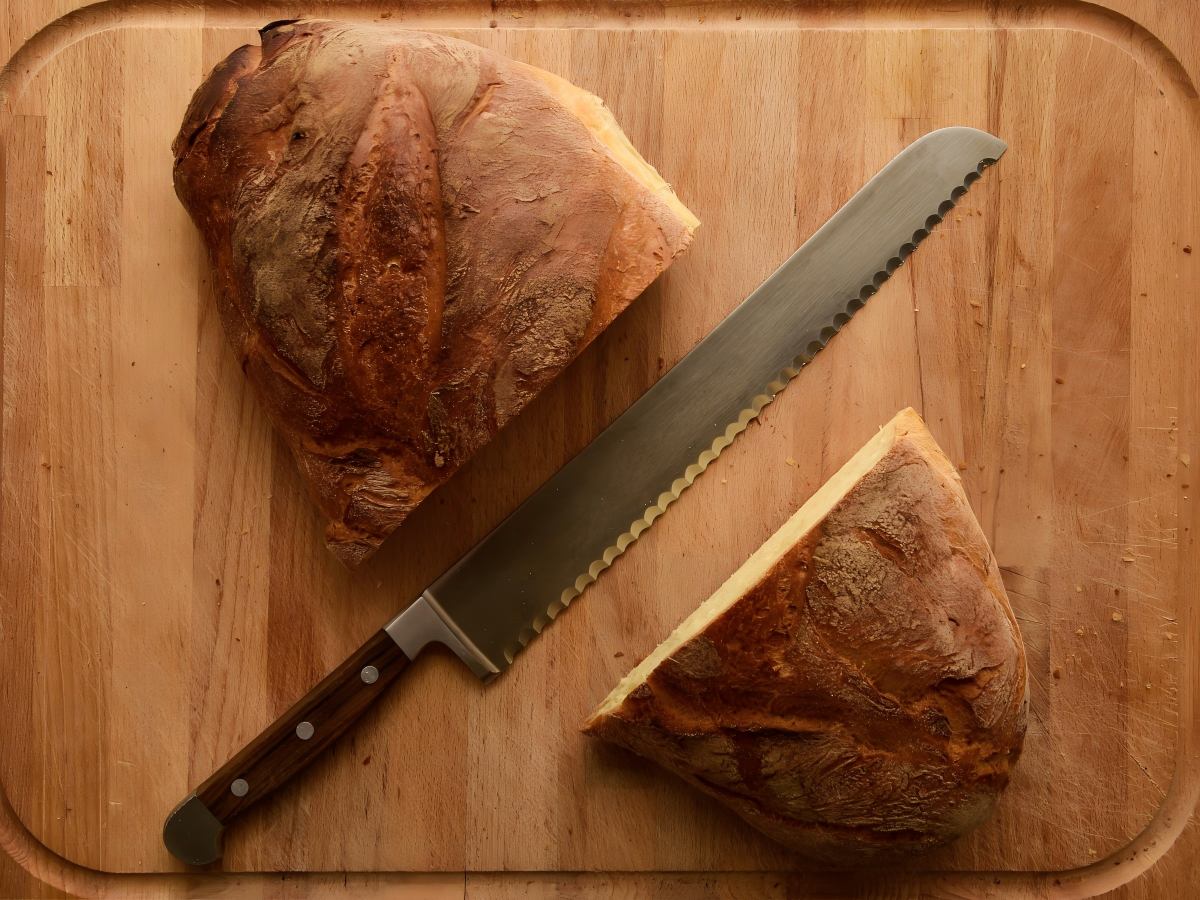
A scalloped edge is a cutting edge made up of rounded, wave-like teeth. Unlike the sharp, pointed teeth of a classic serrated edge, scalloped teeth are gentler and less aggressive. They are common on tomato knives, bread knives designed for soft crusts, and some utility knives.
Characteristics
- Rounded, wave-shaped teeth: Less pointed than classic serrations.
- Gentle cutting action: Saws through soft foods without crushing or tearing.
- Smooth release: The rounded profile reduces snagging on delicate surfaces.
What Is a Scalloped Edge Knife Used For?
- Tomatoes and soft fruits: Cuts through thin skin without crushing the flesh.
- Cakes and pastries: Slices cleanly without dragging crumbs.
- Soft breads and bagels: Handles delicate crusts better than aggressive serrations.
- Citrus fruits: Grips slippery rinds without squirting juice.
Pros and Cons
Pros
- Gentler on soft foods than pointed serrations.
- Less likely to snag on delicate surfaces.
- Easier to sharpen than classic serrated edges in some cases.
Cons
- Less aggressive on tough fibrous materials like rope or heavy webbing.
- Can still require specialized sharpening tools.
- Not as common as plain or classic serrated edges.
Scalloped Edge vs. Serrated Edge
A serrated edge looks like a small saw, with sharp, pointed teeth and deep gullets. A scalloped edge uses rounded, wave-like teeth that are gentler and less pointed. That single shape difference determines how aggressively each edge bites and what it can cut cleanly.
The table below makes the distinction clear for buyers and product teams.
| Feature | Serrated Edge | Scalloped Edge |
|---|---|---|
| Tooth shape | Sharp, pointed teeth with deep gullets | Rounded, wave-like teeth |
| Best for | Hard crusts, rope, fibrous materials | Soft foods, tomatoes, cakes, bagels |
| Cut quality | Aggressive; can tear soft interiors | Gentle; clean slices with less bruising |
| Sharpening | Harder; needs a tapered rod | Moderate; rounded gullets are easier to reach |
| Common examples | Bread knives, rescue knives | Tomato knives, cake knives, soft-crust bread knives |
Choose a serrated edge when you need to bite through tough or slippery surfaces. Choose a scalloped edge when you want clean cuts on delicate foods without tearing or crushing.
Common Confusion: Scalloped Edge vs. Granton Edge
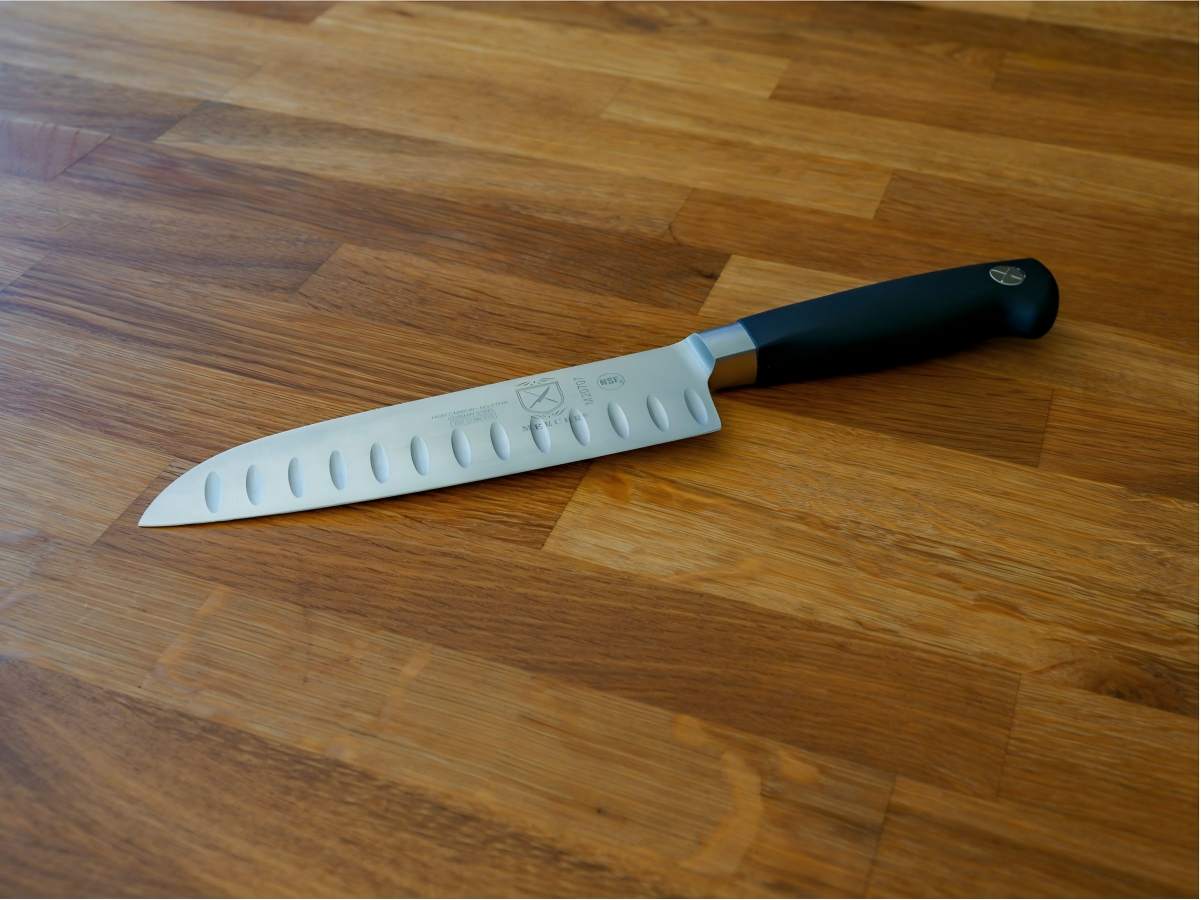
Many buyers confuse a scalloped edge with a Granton edge, but they are completely different features:
- A scalloped edge refers to the shape of the cutting edge itself—rounded waves along the blade’s edge.
- A Granton edge refers to dimples or scallops on the blade face—the flat surface above the edge—not the cutting edge.
A knife can have a plain edge, a scalloped edge, or a serrated edge on its cutting line, while also having Granton dimples on its blade face. For a detailed comparison, see Granton Edges vs. Scalloped Edges: An Easy Confusion.
B2B Insight: Scalloped edges are a popular middle ground between plain and classic serrated edges for kitchen knives. They add less manufacturing complexity than aggressive serrations but still justify a small premium over plain-edge kitchen knives.
Knife Edge Types Comparison
| Factor | Plain Edge | Serrated Edge | Scalloped Edge | Combo Edge |
|---|---|---|---|---|
| Cutting style | Push cuts, slices | Sawing, tearing | Gentle sawing | Mixed |
| Best materials | Food, cardboard, soft items | Rope, bread, webbing | Soft foods, tomatoes, cakes | Variable tasks |
| Cut quality | Clean and precise | Rough but aggressive | Clean and gentle | Mixed |
| Sharpening ease | Easy | Harder | Moderate | Hardest |
| Edge longevity | Dulls faster on abrasive material | Teeth keep biting when dull | Moderate | Depends on section used |
| Manufacturing cost | Lowest | Moderate | Low to moderate | Highest |
| Ideal buyer | General users, chefs, outdoorsmen | Rescue, kitchen, rope workers | Kitchen users, bakers | EDC users wanting versatility |
Read our blade grind guide to understand how the edge geometry behind the edge also affects cutting performance.
How to Choose the Right Edge for Your Knife Line
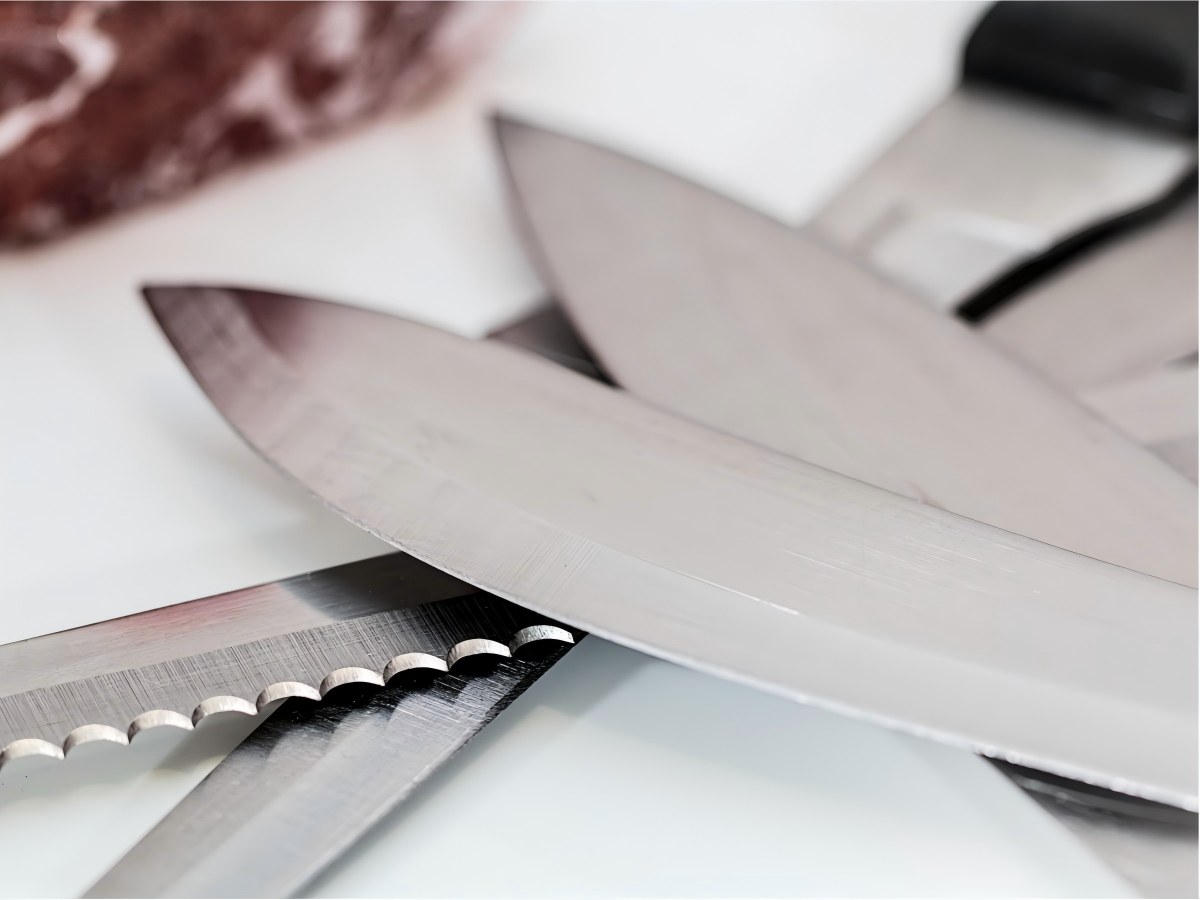
When selecting an edge type for a wholesale or OEM knife line, think about the end user first. The table below maps common use cases to the most appropriate edge type.
| Use Case | Recommended Edge | Why |
|---|---|---|
| Kitchen / Chef knives | Plain edge | Clean slices and easy maintenance matter most. |
| EDC pocket knives | Plain edge or combo edge | Plain edge is the safe default; combo appeals to users wanting versatility. |
| Outdoor / Survival knives | Plain edge | Easier to maintain in the field; better for carving and food prep. |
| Rescue / Tactical knives | Serrated edge or combo edge | Serrations cut rope, webbing, and seatbelts quickly. |
| Bread knives | Serrated edge | Saw-tooth pattern handles crust and soft interiors. |
| Tomato / Soft fruit knives | Scalloped edge | Rounded waves cut thin skin without crushing flesh. |
| Cake / Pastry knives | Scalloped edge | Gentle sawing slices cleanly without dragging crumbs. |
| Slicing / Carving knives | Plain edge | Clean, controlled slices for meat and fish. |
| Budget / Promotional knives | Plain edge | Lowest manufacturing cost and fastest turnaround. |
B2B Tip: If you are building a multi-SKU line, offer at least one plain-edge model and one serrated or combo model. This lets retailers satisfy both the “clean cut” customer and the “tough material” customer without doubling their inventory.
Manufacturing & Cost Considerations
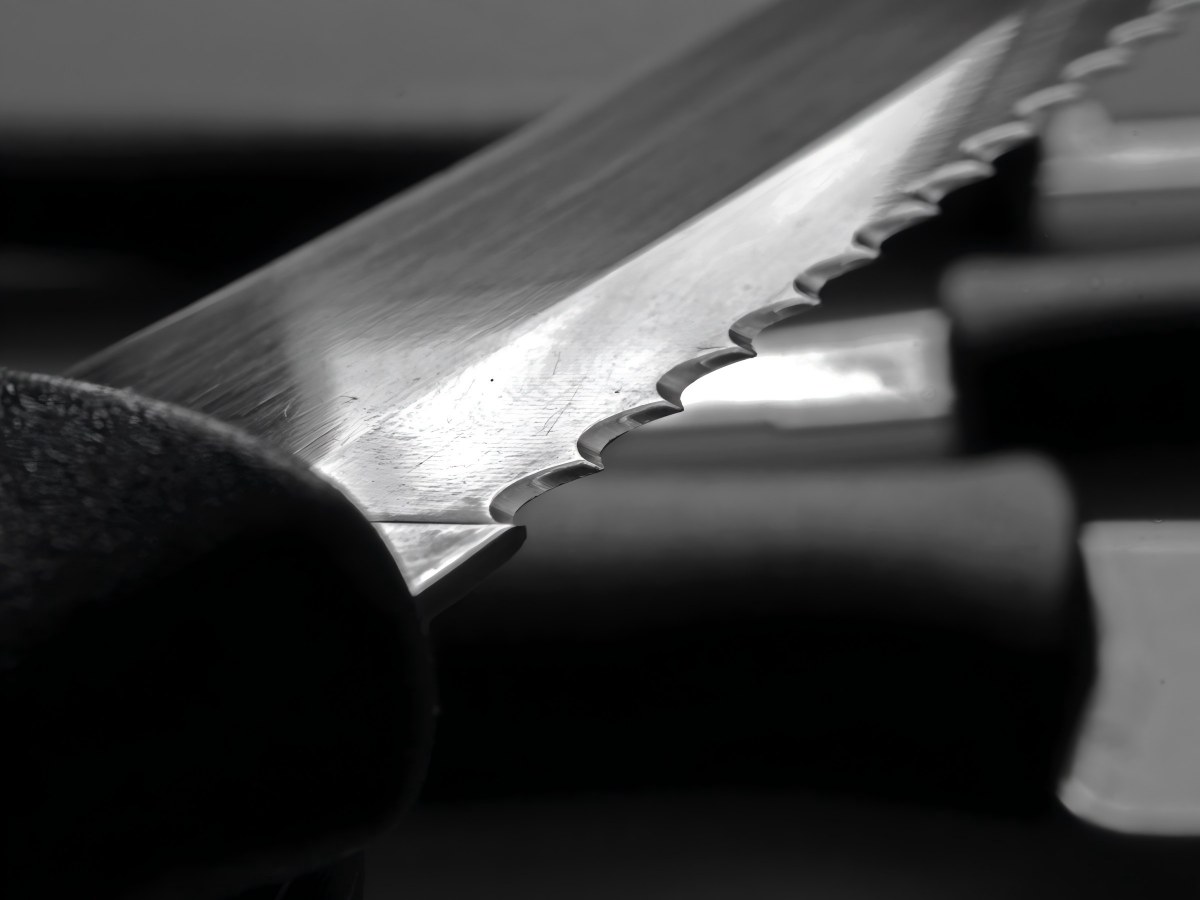
Edge type is not just a user-facing feature. It directly affects unit cost, tooling, and after-sales support.
Grinding and Tooling
- Plain edge: Ground on standard belt or wheel systems. Fastest and most consistent.
- Serrated edge: Requires shaped grinding wheels or specialized cutters. Setup time is longer.
- Scalloped edge: Uses rounded grinding wheels or specialized cutters; less complex than pointed serrations.
- Combo edge: Needs dual-stage grinding and precise alignment where the two edge types meet.
- Plain-edge knives are easy for users to maintain, reducing warranty and service claims.
- Serrated knives often require professional sharpening, which can create a recurring revenue opportunity for retailers but also adds friction for end users.
OEM Specification Tips
When writing a technical agreement for a custom knife, specify:
- Edge type (plain, serrated, scalloped, or combo).
- Serration pattern if serrated (classic or double).
- Location of serrations on combo edges (heel vs. tip).
- Edge angle per side (e.g., 18–22° for EDC, 15–17° for kitchen slicers).
OEM Insight: Mismatching edge type to price tier can hurt margins. A budget folder with a complex combo edge may cost more to produce than the market will pay, while a premium rescue knife with a plain edge may fail to meet user expectations.
Conclusion: Which Knife Edge Should You Stock or Specify?
For most knife lines, the plain edge is the safest default. It is versatile, easy to maintain, and cost-effective to manufacture. Add a serrated edge option when your customers need aggressive cutting on rope, bread, or rescue materials.
Choose a scalloped edge for kitchen knives targeting soft foods, tomatoes, and baked goods. Use a combo edge only when the target audience specifically wants one knife that can handle mixed tasks—and only when the retail price supports the extra grinding cost.
From a B2B perspective, edge type is one of the fastest ways to differentiate a SKU without changing the blade steel or handle. Specifying it clearly in your technical agreement prevents factory misunderstandings and keeps your product line profitable.
Source Your Knife Line with LeeKnives
Ready to build or source a knife line with the right edge geometry? Request a custom knife manufacturing quote and our team will help you choose the best edge type, grind, and steel for your market.
Whether you need plain-edge chef knives, serrated bread knives, scalloped tomato knives, or combo-edge EDC folders, Leeknives helps OEM and private-label buyers specify the right edge geometry, steel, and grind for their target market.
Contact the Leeknives team to review your SKU plan, compare sample costs, and lock in edge specifications before production.
Launch Your Custom Knife Line Faster with LeeKnives
Complete OEM/ODM support—from design to final shipment—so you can focus on growth.
Backed by warehouses in the U.S. for fast, reliable delivery.
Frequently Asked Questions
What is the best edge for a knife?
There is no single “best” edge—plain edges are the most versatile for clean slicing, serrated edges excel at cutting tough fibrous materials, and scalloped edges work well for soft foods. The right choice depends on what your customers actually cut.
What knife holds its edge the best?
Edge retention depends more on steel hardness and sharpening angle than on edge type. A plain edge on high-carbon steel at a narrow angle will usually stay sharp longer than a serrated edge on soft stainless steel.
What is a knife edge called?
The sharpened cutting line is called the edge or bevel, and the unsharpened back is called the spine.
When should you not use a serrated knife?
Avoid serrated knives on soft materials like ripe tomatoes or delicate cakes if you want clean cuts, and do not use them for precision carving where a plain edge offers more control.
Why do steakhouses use serrated knives?
Steak knives are often serrated because the teeth stay effective even when slightly dull, cutting through cooked meat and crusts without needing frequent sharpening in a busy restaurant.
What does “hollow edge” mean?
A hollow edge refers to a hollow-ground blade where the sides are concave, making the edge thinner and sharper. It is often confused with a Granton edge, which has dimples on the blade face to reduce food sticking.




 EN
EN  JA
JA  DE
DE