When sourcing knives in volume, the 14C28N vs AR-RPM9 debate comes up constantly — and for good reason. Both steels dominate the mid-range production knife market, both are widely used in Chinese OEM manufacturing, and both are marketed as high-value stainless options.
But they differ significantly in toughness, supply chain transparency, and marketing accuracy. This guide gives wholesale buyers, private label brands, and Amazon sellers the real picture — so you can make a steel decision that protects your margins, your reviews, and your brand.
Key takeaways
- 14C28N is the stronger default for kitchen knives and private label programs — its nitrogen-enhanced toughness, traceable supply chain, and Sandvik brand recognition give OEM buyers a cleaner, lower-risk steel story.
- AR-RPM9 is a functional steel originally marketed as powder metallurgy — a claim later retracted by Artisan Cutlery after independent metallurgical analysis confirmed it is sprayform-produced, not PM.
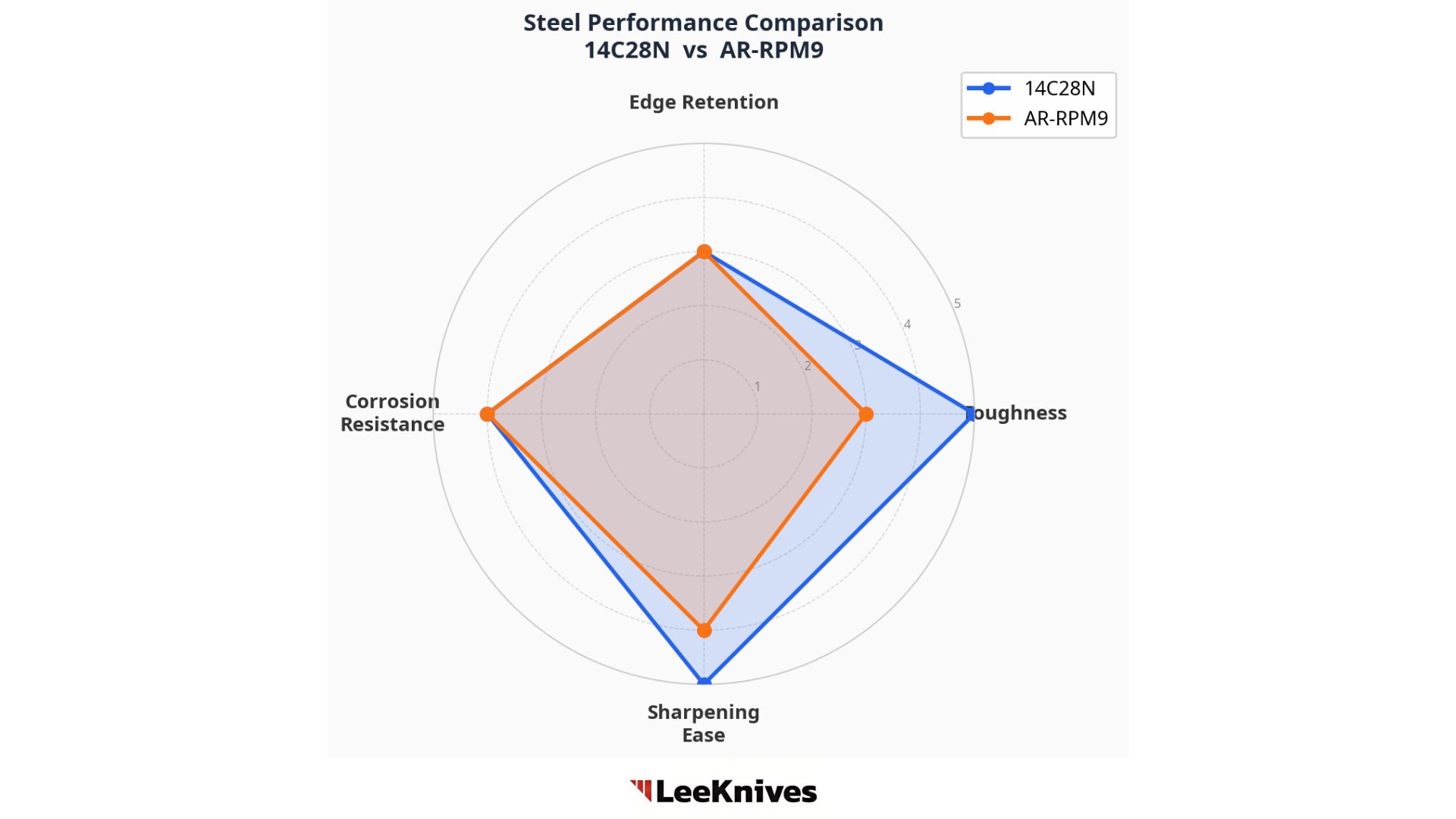
- Both steels offer comparable edge retention and corrosion resistance at their respective price points — the primary differentiator is toughness and supply chain verifiability.
- For private label branding, 14C28N carries less reputational risk: published datasheet, verified composition, and no marketing controversy to manage.
What is 14C28N steel?
14C28N is a martensitic stainless steel developed by Sandvik (now Alleima), a Swedish metallurgical company, purpose-built for knife applications. It was created at Kershaw Knives’ request as an upgrade to 13C26, adding 0.11% nitrogen — a key differentiator that improves corrosion resistance and allows higher hardness without sacrificing toughness.
It is supplied as certified strip steel with a full published datasheet, making it one of the most traceable budget knife steels available.
What is AR-RPM9 steel?
AR-RPM9 is a proprietary steel developed by Artisan Cutlery/CJRB, introduced in 2020. It was originally marketed as a powder metallurgy steel with “rare earth elements” — claims later retracted after independent metallurgical analysis by Dr. Larrin Thomas (Knife Steel Nerds, May 2024) confirmed it is produced via sprayform technology, not PM.
Its composition is essentially 9Cr18MoV with a trace 0.30% cobalt addition. A functional steel, but with a documented marketing controversy buyers should be aware of.
Chemical composition: 14C28N vs AR-RPM9
| Element | 14C28N | AR-RPM9 | Key Difference |
|---|---|---|---|
| Carbon (C) | 0.62% | 0.90% | AR-RPM9 harder potential, lower toughness |
| Chromium (Cr) | 14.00% | 18.00% | Similar real-world corrosion resistance |
| Molybdenum (Mo) | — | 1.00% | AR-RPM9 only; aids corrosion resistance |
| Manganese (Mn) | 0.60% | 0.45% | Negligible difference |
| Silicon (Si) | 0.20% | 0.20–0.80% | Negligible difference |
| Nitrogen (N) | 0.11% | — | 14C28N’s key advantage — hardness + toughness without carbon penalty |
| Vanadium (V) | — | 0.10% | AR-RPM9 only; too low to matter |
| Cobalt (Co) | — | 0.30% | AR-RPM9 only; too low to matter |
| Nickel (Ni) | — | <0.40% | AR-RPM9 only; too low to matter |
| Phosphorus (P) | max 0.025% | — | Impurity; miscounted as one of “9 elements” |
| Sulfur (S) | max 0.010% | — | Impurity; miscounted as one of “9 elements” |
Sources: Alleima 14C28N Official Datasheet · AR-RPM9 Composition — Knife Steel Nerds OES Analysis
14C28N vs AR-RPM9: Key properties compared
Toughness: 14C28N wins clearly
This is the biggest practical difference. 14C28N’s nitrogen-enhanced microstructure produces significantly higher toughness than 9Cr18MoV-class steels. This matters for:
- Kitchen knives that will encounter side-stress (e.g., prying, scooping)
- Outdoor/hunting knives used in demanding field conditions
- Avoiding tip breakage — a common complaint on budget stainless knives
AR-RPM9’s sprayform process does improve toughness over conventional 9Cr18MoV, but it doesn’t close the gap with 14C28N.
Corrosion resistance: roughly equal, different reasons
AR-RPM9 has more chromium (18% vs 14%), but 14C28N has less carbon — a crucial factor. High carbon content “consumes” chromium by forming chromium carbides, reducing the free chromium available to form the passive protective layer. 14C28N’s nitrogen addition also enhances corrosion resistance without the carbon penalty.
In practical knife use — kitchen environments, humid storage, light outdoor exposure — both steels perform comparably. AR-RPM9 may have a slight edge in salt-spray environments due to raw chromium content, but real-world results are close.
Edge retention: Similar at this category
Neither steel is edge-retention-first. Both sit in the moderate range suitable for kitchen knives, general EDC, and value pocket knives. For buyers whose customers prioritize ease of resharpening over extended intervals between sharpenings, both are appropriate.
If edge retention is the primary sourcing criteria, consider stepping up to VG-10, D2, or powder steels like S35VN — which we cover in our Ultimate Guide to Best Steel for Kitchen Knives.
Both steels are easy to sharpen with budget equipment — important for the end customer experience. Neither has significant vanadium carbides that would require specialized abrasives. 14C28N is marginally faster to bring back to a working edge due to its lower carbon content and finer carbide distribution.
Hardness: Higher ceiling, different approach
14C28N can reach 62+ HRC with cryogenic treatment, giving manufacturers more flexibility in heat treatment targeting. AR-RPM9 is typically heat treated to a narrower 58–59 HRC range in production knives.
However, higher hardness doesn’t automatically mean better performance — 14C28N achieves its hardness ceiling through nitrogen addition rather than carbon loading, preserving toughness in the process.
Cost and supply chain: A sourcing reality check
Sourced from Alleima globally
Tied to Artisan Cutlery / CJRB ecosystem
Any knife manufacturer can specify it
Only via finished-knife purchase (CJRB / Artisan)
From Alleima upon request
Not available to third parties
Fine blankable, minimal tool wear
Sprayform steel costs more to produce
Via OEM factories
Limited to existing CJRB / Artisan SKUs
$13–$57 / unit wholesale
(Alibaba, factory-direct)
$40–$120+ retail
(CJRB / Artisan Cutlery branded)
Key takeaways for buyers
14C28N is a commodity steel with open supply. It is manufactured by Alleima (Sweden) and distributed globally — any OEM knife factory in Yangjiang, Dalian, or elsewhere can source it in strip form.
You can request a mill certificate, cross-check the composition, and verify heat treatment independently. This gives you full control over specification and cost negotiation.
AR-RPM9 is supply chain-locked. It is a proprietary designation controlled by Artisan Cutlery / CJRB. No third-party OEM factory offers it independently — if you want AR-RPM9, you are buying finished knives from CJRB or Artisan Cutlery.
There is no option to specify AR-RPM9 for your own private label program, request a mill cert, or negotiate with an alternate steel supplier. In practice, AR-RPM9 knives are a brand-sourcing decision, not a steel-sourcing decision.
Fine blankability = lower per-unit cost at scale. 14C28N’s lower carbon content reduces tool wear during blanking and grinding — the high-volume steps in knife manufacturing. For OEM orders above 500 units, this translates to a measurable cost-per-unit advantage compared to higher-carbon steels of equivalent quality.
Which steel is better for OEM and wholesale knife sourcing?
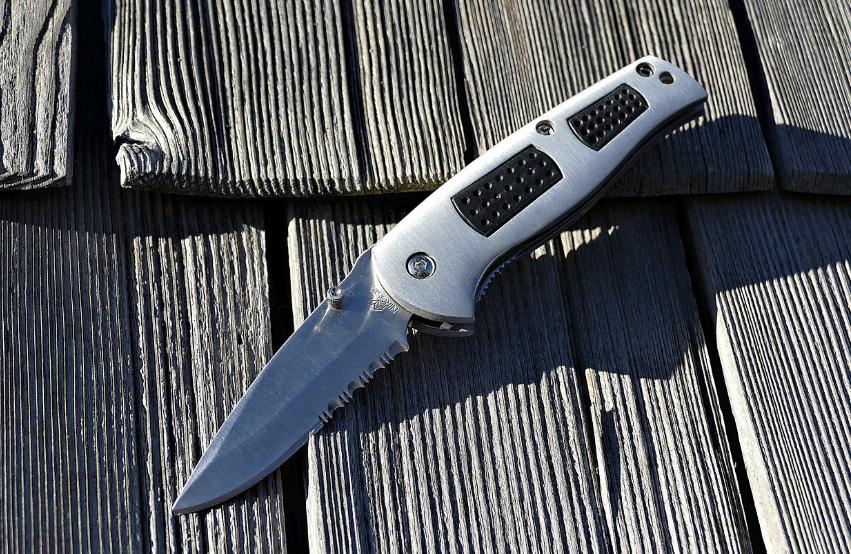
As a B2B knife buyer, your decision framework should include: product quality, supply chain reliability, customer expectations, and legal/marketing risk.
Choose 14C28N if
- You’re producing kitchen knives — toughness is critical; kitchen environments involve lateral stress, drops, and dishwasher accidents
- You’re building a private label brand that needs a verifiable, reputable steel story — “Sandvik/Alleima 14C28N” is a credible, consumer-recognized claim
- Your end customers are in North America, Europe, or Japan where Sandvik’s name recognition adds perceived value
- You want a steel with a published datasheet you can share with retail buyers or platform compliance teams
- You need fine blankability — lower per-unit manufacturing cost matters at scale
- You’re sourcing outdoor, hunting, or survival knives where toughness prevents costly warranty returns
Choose AR-RPM9 if
- You are specifically sourcing CJRB or Artisan Cutlery knives — this is their house steel and heat treatment is optimized for their blades
- Your buyers are already familiar with the CJRB ecosystem and have positive experiences with this steel
- You need a high-chromium EDC folder and are comfortable with the steel’s actual identity (sprayform 9Cr18MoV)
The B2B risk factor
This point matters for private label and OEM buyers specifically: if you put a custom brand on knives and market them using AR-RPM9’s original “powder metallurgy” claims, you carry reputational and compliance risk.
The false advertising issue has been documented publicly by a credentialed metallurgist, picked up across knife communities, and acknowledged by Artisan Cutlery. Any downstream customer who researches the steel will find this.
With 14C28N, you have an Alleima-published datasheet, a verifiable composition, and a 60+ year track record in commercial knife production. For OEM and private label work, that traceability is a genuine asset.
How this affects your sourcing strategy
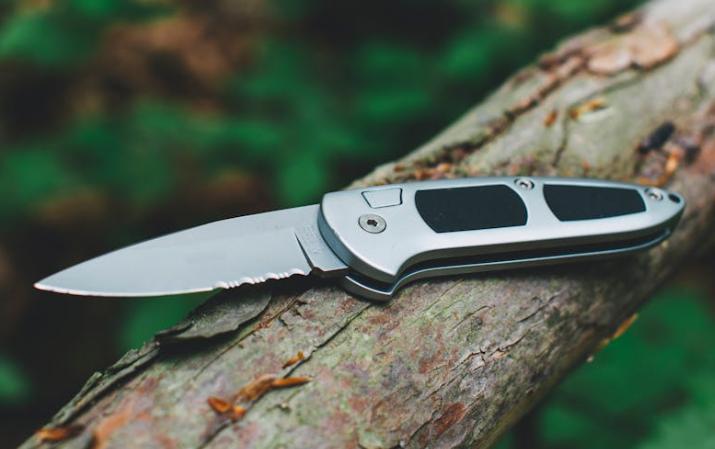
For knife wholesalers
If you’re wholesaling finished knives under existing brands:
- CJRB knives in AR-RPM9 are legitimate, reasonably-performing products. Stock them if there’s demand — just be prepared to answer informed questions about the steel’s marketing history.
- Knives in 14C28N (Kershaw, Morakniv, many Chinese OEM kitchen knives) have a cleaner steel story and stronger toughness credentials.
For private label and OEM buyers
For custom-branded knife programs, we recommend 14C28N as the default for kitchen and multi-purpose knives. When discussing steel options with your OEM manufacturer, verify:
- The steel is genuine Alleima/Sandvik-sourced strip (ask for mill certificates)
- Heat treatment targets 58–62 HRC depending on knife type
- Tempering is done below 450°C to preserve corrosion resistance (per Sandvik hardening guidelines)
At LeeKnives, we work with verified steel suppliers and can provide documentation for your compliance or retail partnership requirements. Learn more about how we handle knife quality testing and verification and our OEM knife manufacturing services.
For Amazon and e-commerce sellers
Steel is one of the top filters buyers use on Amazon’s knife category. “14C28N” as a search term has established buyer recognition — Kershaw’s marketing over a decade has created that awareness.
If you’re building a listing, steel choice affects both your keyword relevance and your review trajectory (harder steel without toughness = more chip complaints; 14C28N’s toughness profile typically means fewer negative reviews from casual abuse).
Conclusion: The practical verdict for B2B buyers
For most B2B sourcing decisions, 14C28N is the safer, more defensible choice.
It delivers proven toughness and a traceable supply chain backed by Alleima’s published datasheet — a steel identity that holds up under scrutiny. AR-RPM9 performs adequately, but its retracted powder metallurgy claim is documented and searchable — an unnecessary risk for private label brands.
The bottom line:
- Choose 14C28N if you prioritize toughness, supply chain transparency, and brand-safe steel documentation
- Choose AR-RPM9 if you are sourcing exclusively within the CJRB/Artisan Cutlery ecosystem and performance at price point is the only metric
For most wholesale buyers and private label programs, 14C28N wins on every dimension that matters beyond the knife itself.
Ready to source knives with LeeKnives?
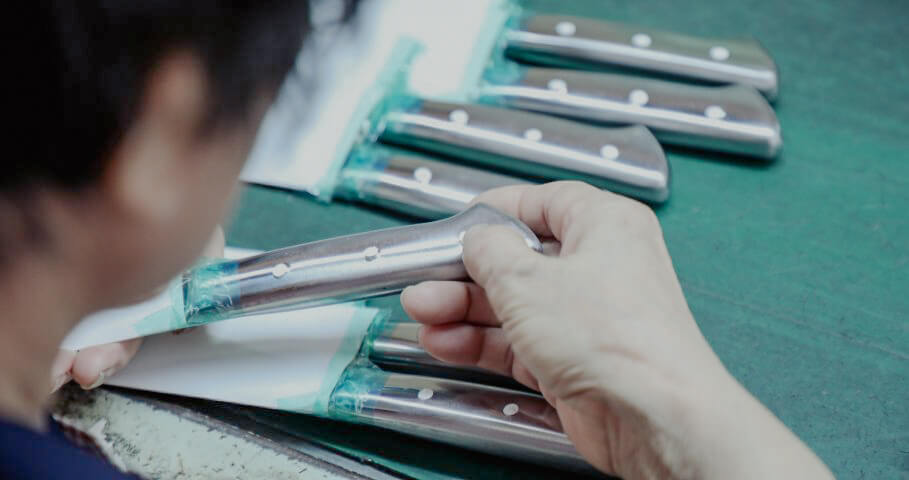
LeeKnives specializes in OEM knife manufacturing with full steel documentation, mill certificates, and custom specifications — so your private label program is built on a supply chain you can stand behind.
What we offer:
- Custom blade geometry, handle material, and branding
- MOQ-flexible wholesale programs for Amazon sellers and retail buyers
- Dedicated OEM project management from spec to delivery
Launch Your Custom Knife Line Faster with LeeKnives
Complete OEM/ODM support—from design to final shipment—so you can focus on growth.
Backed by warehouses in the U.S. for fast, reliable delivery.
Frequently asked questions
Is AR-RPM9 better than 14C28N?
Not for most B2B sourcing decisions. AR-RPM9 offers comparable edge retention and corrosion resistance, but 14C28N has a clear toughness advantage due to its nitrogen-enhanced microstructure.
More importantly, 14C28N comes with a published Alleima datasheet and an open supply chain — AR-RPM9 carries documented marketing controversy and no third-party mill certification. For private label programs, 14C28N is the lower-risk choice.
Is AR-RPM9 steel any good?
Yes — as a functional steel, AR-RPM9 performs adequately in production knives. It offers solid corrosion resistance (18% chromium, 1% molybdenum) and reasonable edge retention for its price tier. The issue is not performance — it’s the retracted powder metallurgy claim.
If you are buying CJRB or Artisan Cutlery knives within their own ecosystem, AR-RPM9 is a legitimate mid-range option. If you are building a private label brand around it, the marketing history creates unnecessary risk.
What are the disadvantages of 14C28N steel?
- Lower carbon content means edge retention is moderate — not suited for buyers whose customers demand extended intervals between sharpenings
- Not a premium steel — for high-end private label positioning, stepping up to VG-10, S35VN, or similar is more appropriate
- Softer maximum hardness without cryogenic treatment — standard heat treatment typically yields 58–60 HRC
- Less chromium than high-chrome steels — in extreme salt-spray environments, higher-chromium options like H1 or LC200N outperform it
For kitchen knives and mid-range EDC, these are rarely dealbreakers — but worth knowing for the right application.
Is AR-RPM9 hard to sharpen?
No. AR-RPM9 is easy to sharpen with standard equipment — whetstones, pull-through sharpeners, or guided rod systems all work effectively. Its carbide structure does not require diamond abrasives or specialized tools.
This makes it consumer-friendly, which is an advantage for wholesale and e-commerce sellers whose end customers may not be experienced sharpeners. 14C28N is marginally easier to sharpen due to its lower carbon content and finer carbide distribution, but the practical difference is minimal.
What steel is better than 14C28N?
For kitchen knives and general-purpose production knives, common upgrades include:
- VG-10 — higher edge retention, similar corrosion resistance, popular in Japanese-style kitchen knives
- AUS-10 — comparable to VG-10, slightly more affordable, widely used in OEM kitchen knife programs
- S35VN — powder metallurgy steel with significantly better edge retention and toughness, suited for premium EDC and outdoor knives
- MagnaCut — modern PM steel with exceptional corrosion resistance and toughness, emerging in premium kitchen knife applications
For B2B buyers, the upgrade decision should be driven by end-customer expectations and price tier — 14C28N remains the best value option at its price point.
What grit is best for 14C28N?
For routine maintenance and touch-ups, 1,000–2,000 grit is sufficient to restore a working edge on 14C28N. For reprofiling or repairing a damaged edge, start at 400–600 grit before progressing to finer grits.
For a polished, refined edge, finish at 3,000–6,000 grit. 14C28N’s fine carbide structure responds well across the full grit range — no diamond abrasives are required. Ceramic, aluminum oxide, and standard water stones all work effectively.
Is 14C28N steel worth the money?
Yes — at its price point, 14C28N is one of the best-value knife steels available. It offers a rare combination of toughness, corrosion resistance, and sharpening ease that most budget stainless steels don’t match.
For OEM and wholesale buyers, its open supply chain, published datasheet, and Alleima brand recognition add sourcing value beyond the steel’s physical properties.
If your program sits in the mid-range market and you need a steel that performs reliably and tells a clean brand story, 14C28N delivers strong ROI.




 EN
EN  JA
JA  DE
DE