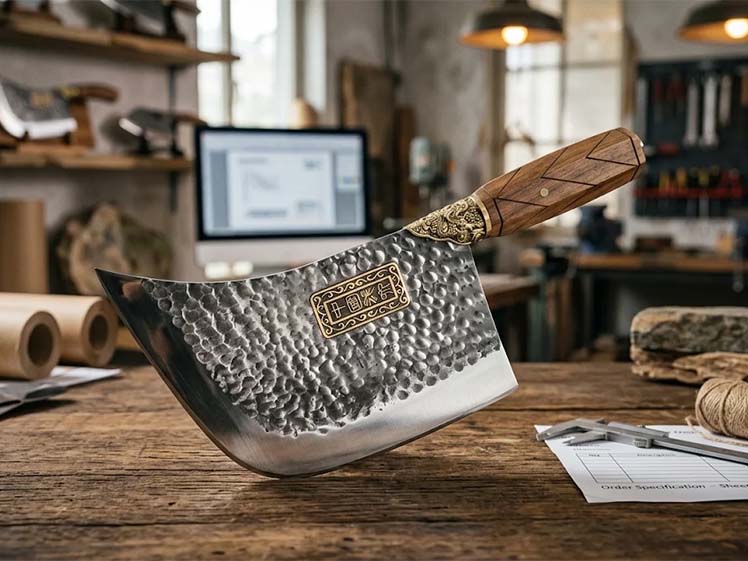
Buying a Longquan kitchen knife for your business? A maker’s mark and a polished edge can catch your eye, but they won’t tell you the whole story. Longquan, in China’s Zhejiang Province, has a swordmaking tradition dating back about 2,500 years.
However, history alone cannot tell you how a kitchen knife will perform. Before you order, look beyond the place name. Ask who made the knife, which steel they used, and how they tested it.
In this guide, you’ll learn what Longquan kitchen knife sets are, how they’re made, and what steel and hardness claims mean. You’ll also learn which questions to ask suppliers, so you can compare offers and choose knives that suit your customers.
Key Takeaways
- What It Is: Longquan kitchen knives come from Zhejiang, China. Its sword forging was added to China’s first national intangible cultural heritage list in 2006. That recognition covers the craft, not every knife sold today.
- A Young Category: The 2023 “Zhejiang Made” group standard, T/ZZB 3113, sets requirements for Longquan kitchen knives, including testing and inspection. Ask your supplier whether your chosen model meets it.
- Steels: If a listing names 5Cr15MoV, 7Cr17MoV, 4Cr13MoV, manganese steel, or clad VG-10, get the exact grade in writing. For clad blades, confirm the cutting core separately.
- Quality Varies by Workshop: Compare samples before placing a bulk order. Check the edge, handle fit, and finish. A Damascus pattern alone does not prove how a blade was made.
- Sourcing: Match the workshop to your order size. For larger runs, compare Longquan suppliers with Yangjiang manufacturers. Confirm the production address, lead time, and agreed quality checks before paying a deposit or approving your production sample.
What Is a Longquan Kitchen Knife?
A Longquan kitchen knife is kitchen cutlery made in Longquan, a mountain city in southwest Zhejiang, China. The name refers to a place and its blade-making roots, not a single steel grade or production method. For your business, that distinction helps you explain the product without promising more than its maker can prove.
How Longquan Kitchen Knives Developed
The move from swords to kitchen tools happened in stages:
- Swordmaking Roots: China’s heritage register traces the craft back more than 2,500 years and links its origins to the legendary smith Ou Yezi. Longquan sword forging was added to the first national heritage list in 2006 as item Ⅷ-37.
- Early Kitchen Knives: Zhejiang Zhengshi Sword Co. began developing Japanese-style kitchen knives for an American buyer in 2010. It launched its Longquan Paoding brand in 2017.
- A Wider Shift: In 2022, Shanghai Observer reported that Longquan Sword Factory opened a kitchen-knife research center around 2020. Other sword workshops also moved into kitchen cutlery.
Longquan Kitchen Knife Standards and Scale
In 2023, Longquan Huaguang Art Sword Co. led work on T/ZZB 3113-2023, a “Zhejiang Made” group standard. It raised expectations for sharpness and rust resistance. However, the Zhejiang Provincial Quality Association withdrew it on November 9, 2026, alongside 37 other standards.
For scale, Jimu News reported in 2025:
- More than 2,400 businesses and 16,000 workers in the sword-and-knife trade.
- Annual output of up to 3 million knives for daily use.
- More than 150 specialist cross-border online shops.
Separately, Lishui Daily reported industry revenue above ¥1 billion in 2024. These Longquan knife reviews cover more than kitchen knives alone.
So, view Longquan kitchen knives as a newer product within an older trade. Use that history to add context to your range, while keeping each supplier’s claims separate from the city’s reputation. The place name gives you background, not a guarantee of performance.
Set clear requirements for steel, hardness, samples and inspections before placing a bulk order. LeeKnives helps you turn those requirements into your own knife line.
Longquan Kitchen Knife Types and Steels Explained
When you compare Longquan kitchen knife listings, separate blade shape from steel and finish. A wide blade may slice vegetables or chop bones, depending on its build. Meanwhile, a patterned surface does not tell you what steel forms the edge.
Longquan Kitchen Knife Types
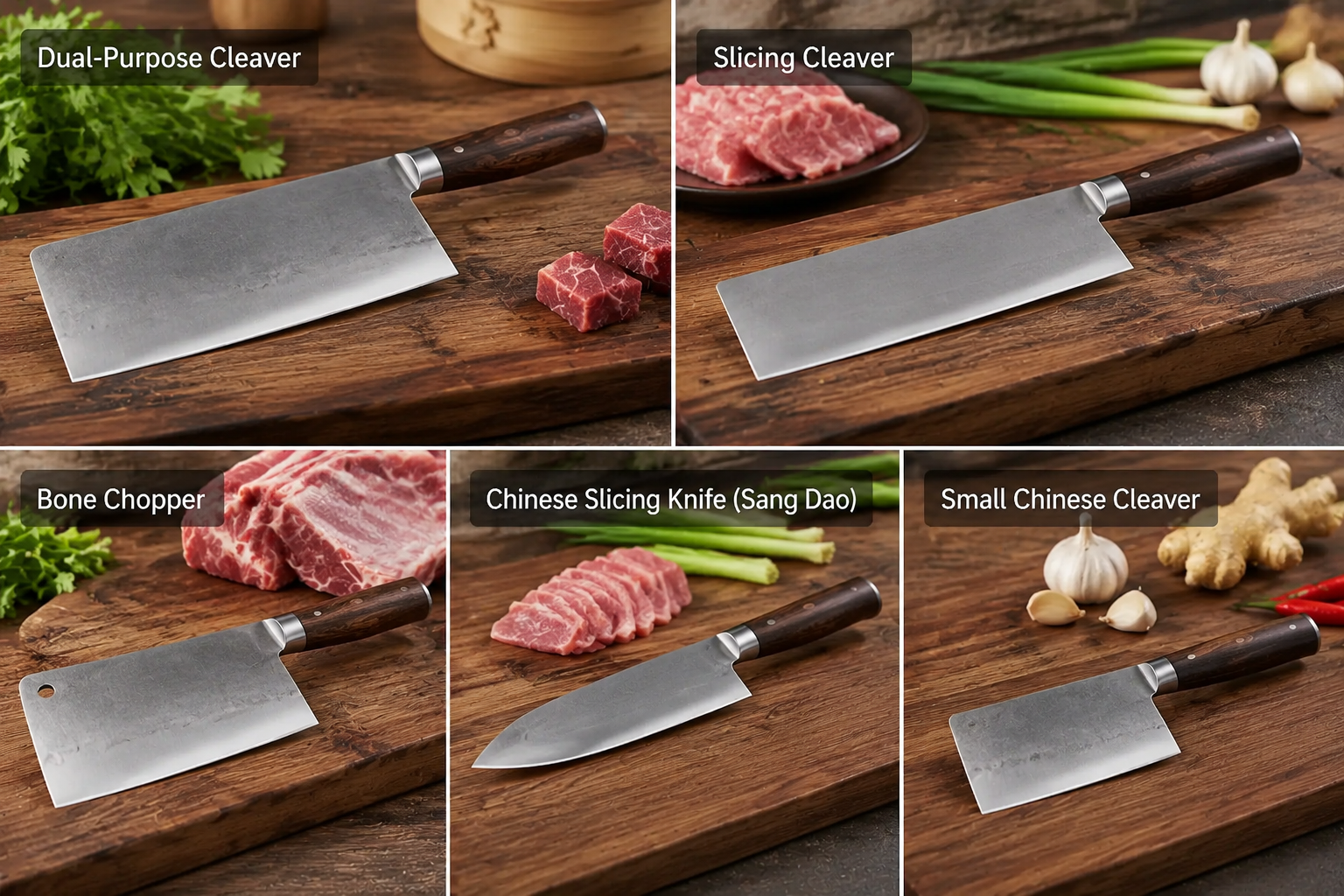
Traditional Chinese kitchen knives are commonly grouped into three main types based on blade design and intended use. While their shapes may look similar, differences in blade thickness, edge geometry, and weight determine what each knife can handle.
- Chinese Vegetable Cleavers (Pian Dao): Lighter, thinner-bladed knives primarily designed for chopping vegetables, fruits, and slicing boneless meat. They are versatile everyday kitchen knives but should not be used to chop bones.
- Chinese Meat Cleavers (Gu Dao): Heavier knives with thicker, sturdier blades designed for cutting through meat, breaking down poultry, and handling tougher chopping tasks, including bones when the blade is designed for that purpose.
- Chinese Chopping Knives / Chef Knives (Wen Wu Dao): All-purpose Chinese knives that combine a thinner cutting section for slicing and fine preparation with a stronger heel for heavier chopping. Their versatility makes them suitable for handling a range of ingredients.
These categories are not always strictly separated, and blade profiles can vary between manufacturers. For a broader selection of traditional Chinese-style blades, explore our Chinese Kitchen Knives collection to compare different designs and product options.
Longquan Knife Steel Comparison
Use these supplied hardness ranges as reference points, not verified specifications. HRC means Rockwell C hardness. Heat treatment, the controlled heating and cooling of steel, affects the final result.
| Steel claimed | Reference HRC | What it means for you |
| 4Cr13MoV | 52–54 | Budget stainless; confirm the exact grade. |
| 5Cr15MoV | 55–57 | Stainless option for everyday kitchen use. |
| 7Cr17MoV | 56–58 | Higher-carbon stainless; compare tested samples. |
| 65Mn | 56–58 | Carbon steel; dry promptly and oil for storage. |
| Clad VG-10 or SLD core | 59–61 | Layered blade; identify core and outer steels. |
| SG-2 | 62–63 | Powder steel; request proof of material origin. |
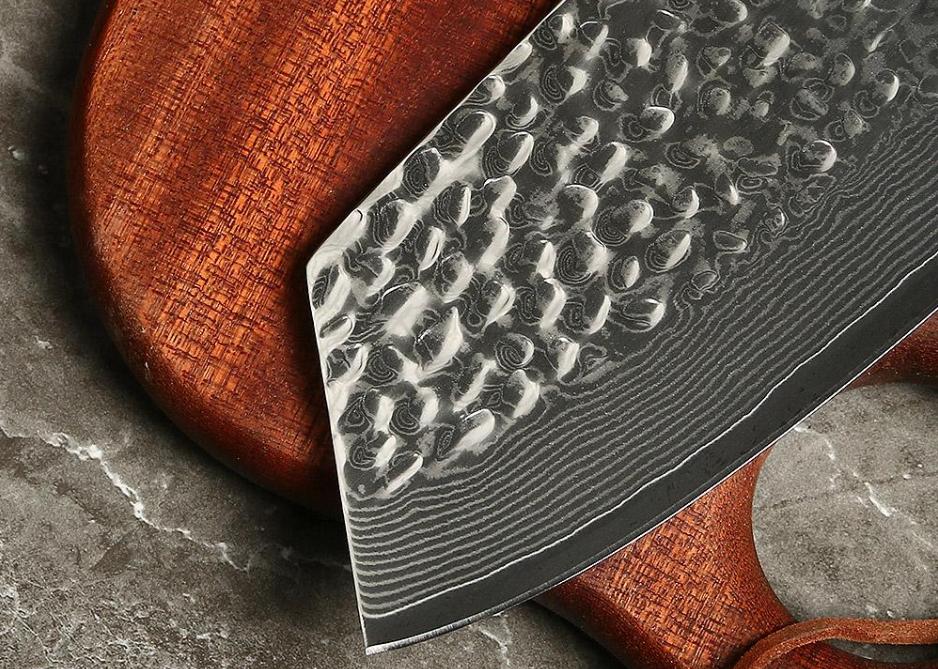
Avoid judging a Longquan Damascus knife by price alone. Genuine layered steel is often etched to reveal its pattern, while surface decoration can imitate it. Ask for construction details, material records, and batch hardness results. Then compare samples for your intended task before approving an order.
Are Longquan Knives Worth Buying? How to Judge Quality
Longquan kitchen knives can be good, but quality depends on the maker and model. Skilled forging can produce a useful blade. Still, a city name, workshop story, or polished finish cannot show how well your knife will cut or hold up.
Also, separate the brand owner from the factory. A Longquan label does not, by itself, confirm where production took place. Ask who makes the blade and who handles heat treatment, grinding, and assembly.
Before buying, turn promises into checks you can repeat:
- Confirm the Steel: Request a named grade, such as 7Cr17MoV or 65Mn, on your order sheet. High-carbon steel alone leaves things unclear.
- Check Hardness Evidence: A target such as 56–58 HRC is a specification, not proof of controlled heat treatment. Ask for measured results and the test method. ISO 6508-1 covers Rockwell hardness testing, including the C scale used for HRC.
- Test a Production Sample: Slice the same foods with each candidate. Note edge wear, sharpening effort, and handle comfort. Check for gaps, loose parts, and rough edges. One sample helps screen a model. It can’t prove batch consistency.
- Trace the Material: For bulk orders, request mill certificates and ask how they connect to your batch. A steel certificate does not verify the finished knife’s hardness.
Keep your approved sample and written requirements. Agree on inspection steps before production starts. Judge the knife by documented materials, measured results, and repeatable use, rather than its place name or sales story.
Longquan vs Yangjiang: Match Your Knife Sourcing Strategy
Choose between Longquan and Yangjiang based on your product plan, not a city ranking. Both have skilled makers. However, a workshop built around small runs may suit you differently from a factory set up for repeat orders.
Use this table to guide supplier discussions, not to assume every business follows the same model:
| Dimension | Longquan, Zhejiang | Yangjiang, Guangdong |
| Production | Sword-trade workshops; hand forging remains part of the offer. | Industrial supply network; forged and stamped production options. |
| Order size | Ask about small runs and stock models. | Compare minimums for stock, private-label, and custom orders. |
| Custom work | Scope depends on the workshop’s tools and designs. | OEM/ODM options cover designs, materials, handles, and packaging. |
| Export support | Check each supplier’s documents and shipping experience. | Export services are available, but verify each factory. |
| Brand story | Swordmaking history can support a documented origin story. | Manufacturing experience can support a production-focused story. |
| Potential fit | Gifts, limited editions, and workshop-led ranges. | Private-label ranges and regular retail replenishment. |
Yangjiang’s scale is documented: China Daily reported in October 2026 that its industry serves more than 160 countries and regions. That reach does not guarantee any supplier’s quality or compliance.
Match your order to the supplier:
- For a limited gift range, ask whether the maker can document the workshop, process, and origin.
- For 5,000 knives every quarter, compare capacity, delivery schedules, replacement terms, and batch consistency.
- For either route, request product-specific food-contact evidence for your market. Do not assume “FDA” or “LFGB” wording covers every model.
For details, see our Yangjiang knife manufacturing guide and global manufacturer comparison.
Customize the blade profile, steel, handle, finish and packaging for your market. Confirm the details with LeeKnives through samples before bulk production.
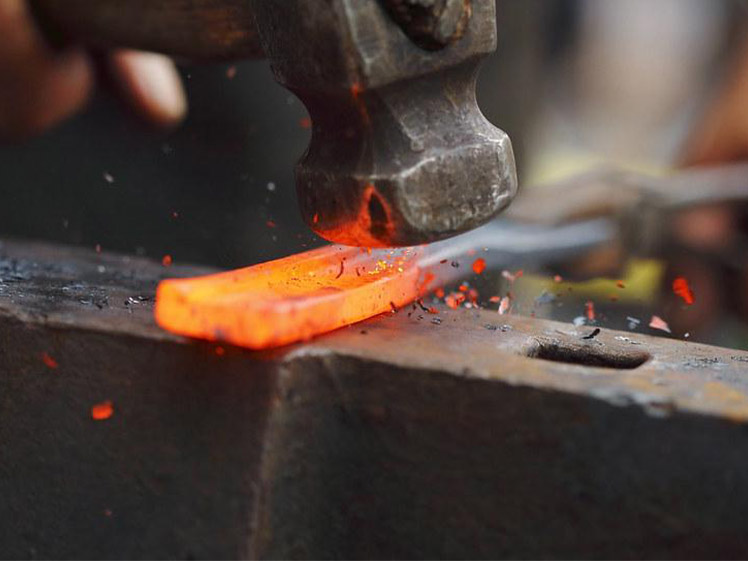
How to Source Longquan-Style Knives for Your Business
You can source Longquan kitchen knives from local workshops or develop similar designs elsewhere. Start by deciding what your customers need: a workshop origin, a blade shape, or stock you can reorder. This keeps your budget focused on features you can explain and deliver.
Source Longquan Kitchen Knives Directly
Choose this route when the maker’s location and process are part of your offer. Buying directly can help you document who made the handmade kitchen knives and discuss small production runs.
- Ask whether a 10-piece trial is available. Don’t assume every workshop accepts it.
- Separate stock availability from made-to-order lead times.
- Confirm who handles export packing, shipping documents, and after-sales issues.
An address alone does not prove hand forging. Request evidence for any craft or origin claim you plan to publish.
Develop Longquan-Style Knives Through OEM
If repeat supply matters more than origin, compare capable Yangjiang factories. Your brief can include hammered finishes, thick spines, Chinese blade profiles, or a specified forging process. Confirm each feature through samples rather than assuming the factory offers it.
LeeKnives manufactures in Yangjiang, with customizable Chinese-style blades, steels, handles, branding and packaging for your own line.
Choose Your Knife Sourcing Starting Point
Match the project to your time and funds:
- Wholesale: Buy finished designs to test demand without developing a blade. See how to buy wholesale knives.
- Private Label: Add your logo and packaging to an existing model. Review private label knife manufacturers.
- Custom OEM: Develop your specifications. Budget for samples, revisions, and tooling through OEM knife manufacturing.
Compare total delivered costs, not unit prices alone. Assign responsibility for freight, insurance, duties, and clearance before ordering. Our guide to importing knives from China outlines the steps. Start with an order you can inspect, fund, and sell before expanding.
Source Longquan-Style Knives to Fit Your Business
Choose your supplier based on what you need to deliver. If your range depends on a Longquan origin story, work with a workshop that can document it. If your priority is regular stock and a consistent design, compare kitchen knife set manufacturers that can meet the same written requirements on repeat orders.
For the second route, LeeKnives is one option to assess. We manufacture in Yangjiang, not Longquan, and trace our business to 1993. Our custom hand-forged program offers Chinese-style blades with choices in blade length, steel, handles, and branding. These are customization options, not a claim of Longquan origin.
You can compare hand-forged Longquan kitchen knife thickened bone cleavers with pattern-welded Damascus ranges to find a starting design. From there, focus on the details that affect your costs and launch date:
- Order Size: Our kitchen knife set page lists a starting minimum of 200 pieces per SKU. Confirm the minimum for your chosen model, especially if you change materials or packaging.
- Branding: Custom logos, handle materials, blade finishes, and packaging let you adapt an existing range without designing every part from scratch.
- Sampling: Our published order process includes inspecting and testing a product before placing a bulk order. Use that step to settle changes before production.
- Fulfillment: We list China- and US-based fulfillment centers. Check whether your products can use the US service, what it costs, and how stock will be replenished.
Before you commit, request one quote that covers the product, sample costs, production schedule, inspection plan, and delivery terms. Put any promised certificates or test reports in the agreement, too.
FAQs
Are Longquan knives good?
Yes, Longquan kitchen knives can perform well, but you need to judge the specific model. Ask for the steel grade, measured hardness, and a sample you can test. Then check cutting feel, edge wear, and handle fit. A workshop’s history adds context, but it does not prove consistent quality. For bulk orders, agree on inspection checks before production begins, not after delivery.
What is special about Longquan knives?
Their main distinction is their link to Longquan’s swordmaking tradition, which dates back more than 2,500 years. China listed Longquan sword forging as national intangible cultural heritage in 2006. However, that recognition protects the craft. It does not certify every kitchen knife. If origin matters to your customers, ask who made the blade, where it was made, and which steps were hand-forged.
Can a Longquan cleaver chop bones?
Only if the specific model is designed for bone chopping. Some dual-purpose knives may handle small poultry bones, but slicing cleavers should not be treated as bone choppers. For dense bones, choose a dedicated model and follow its maker’s limits. Blade width alone is not enough: WÜSTHOF also warns that its thin-edged Chinese chef’s knife should not be used on bones.
What steel are Longquan kitchen knives made from?
There is no single steel used across the category. Listings may name 5Cr15MoV, 7Cr17MoV, 4Cr13MoV, manganese steel such as 65Mn, or a layered blade with a VG-10 core. Treat each name as a supplier claim until verified. Also, Damascus describes a pattern or construction, not one steel grade. Genuine layered steel may be etched to reveal its pattern, so etching alone does not prove fakery.
Do Longquan kitchen knives rust?
Yes, they can rust, especially if the blade uses carbon steel such as 65Mn. Stainless options resist rust better, but they are not rustproof. Wash your knife by hand, wipe it dry straight away, and store it somewhere dry. For carbon steel, follow the maker’s advice on food-safe oil. Avoid soaking any knife or leaving salty food residue on the blade.
What is the difference between Longquan and Yangjiang knives?
The difference is mainly the supplier network, not a fixed quality ranking. Longquan includes workshops linked to swordmaking, while Yangjiang has a large manufacturing network serving wholesale and custom orders. Both locations have different capabilities and quality levels. Compare suppliers on order size, delivery, customization, and inspection support.
Can I order Longquan-style knives with my own brand?
Yes, you can put your brand on a suitable Longquan-style design through a private-label or custom manufacturing agreement. Confirm which changes the supplier allows, including logos, handles, finishes, and packaging. Minimums vary by model and project; LeeKnives lists 200 pieces per SKU for kitchen knife sets. Request your detailed quote and approved sample, and do not label Yangjiang-made products as Longquan-made.
Plan Your Longquan-Style Knife Line with LeeKnives
Turn your Longquan-style knife idea into a plan you can compare. Send LeeKnives your preferred blade, order quantity, target market, and delivery date. Add a sketch or product link if you have one.
Then ask us to outline sample costs, material options, inspection steps, and shipping terms. Use those details to check whether the project fits your budget before placing an order.
Our quote form accepts product references and files, and we aim to reply within 2 business days. Start with your requirements, even if some details still need work.




 EN
 JA
 DE